
Esther Imonmion
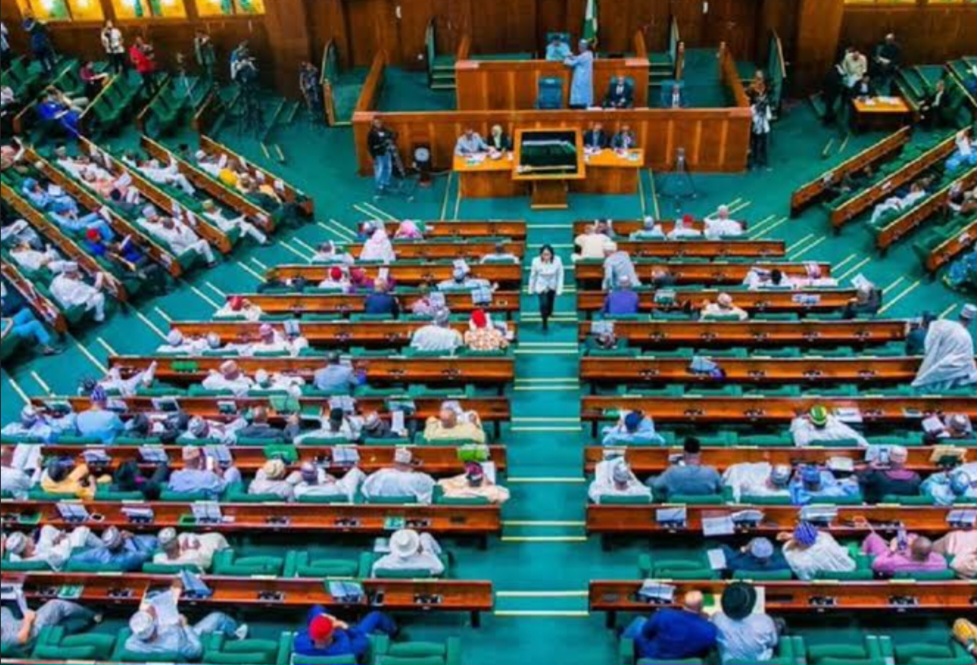
A group of 44 members of the House of Representatives from both Northern and Southern Nigeria has appealed to President Bola Tinubu to adopt a political solution to the prolonged detention of Indigenous People of Biafra (IPOB) leader, Nnamdi Kanu. The lawmakers, operating under the banner of the Concerned Federal Lawmakers for National Unity, submitted a two-page letter and a formal resolution to the President on Tuesday, November 19, 2025, urging him to exercise his constitutional powers to end Kanu’s prosecution and initiate a comprehensive national dialogue aimed at restoring peace in the South-East.
The lawmakers argued that sustained political engagement, rather than continued judicial confrontation, offers the most viable path to addressing the growing insecurity and longstanding regional grievances. They specifically requested that President Tinubu direct the Attorney-General of the Federation to discontinue the Federal Government’s case against Kanu.
The letter was signed by Ikenga Ugochinyere, Obi Aguocha, Murphy Osaro, Peter Akpanke, Mudashiru Lukman, Paul Nnamechi, Dominic Okafor, Afam Ogene, Emeka Chinedu, Chimaobi Sam, Mascot Ikwechegh, Donatus Matthew, Ibe Osonwa, and Okey-Joe Onuakalusi, among others.
In the letter, the lawmakers stated:
> “Following a strategic closed-door meeting involving lawmakers committed to strengthening national peace and stability, and after broad consultations across political divides and ethnic backgrounds, we jointly present this resolution on the continued detention of Mazi Nnamdi Kanu. Motivated by the urgent need for national healing and reconciliation, and mindful of previous government negotiations with militants and various agitator groups, as well as the escalating insecurity in the South-East since 2015—worsening from 2021—we believe the time is ripe for a decisive political approach.
> “In light of the growing nationwide support for halting his prosecution, we respectfully urge Your Excellency to direct the Attorney-General of the Federation to discontinue the case against him and initiate an inclusive political dialogue that can deliver a fair and lasting resolution.”
Nnamdi Kanu was first arrested in October 2015 on charges including treasonable felony. He was granted bail in April 2017 but fled the country following a military invasion of his home in Abia State, an incident IPOB claims was an attempt on his life. Kanu resurfaced abroad and continued broadcasting messages calling for a Biafran nation.
In June 2021, he was intercepted in Kenya and extradited to Nigeria to continue his trial. His re-arrest intensified agitation in the South-East, where the weekly sit-at-home orders and violent attacks by IPOB escalated. The decade-long trial is nearing an end, with the Federal High Court in Abuja set to deliver judgment on Thursday, February 20, 2025, after Kanu refused to open his defence.
Meanwhile, President Tinubu highlighted the administration’s reform agenda across multiple sectors, including the rollout of fibre optics and other digital infrastructure to widen access for young Nigerians. He also commended humanitarian agencies for assisting victims of terrorism.
Speaking at a recent meeting, Minister of Finance and Coordinating Minister of the Economy, Wale Edun, said Nigeria’s youthful median age of 17 informed many government policy decisions, particularly reforms aimed at expanding participation, skills development, and growth opportunities for young people.
The Duke of Edinburgh’s International Award Foundation, represented by Prince Edward, praised the government’s youth-focused reforms, noting that they had attracted positive global attention. The Lagos Award events will celebrate 320 Nigerian youths pursuing their passions, developing relevant skills, and contributing to national development.
Other attendees included the British High Commissioner to Nigeria, Sir Richard Montgomery; the Duke’s Private Secretary, Alex Potts; the Award’s Secretary-General, Martin Houghton-Brown; and International Trustee/Chair of the Africa Region, Muhoho Kenyatta.
The Duke of Edinburgh’s International Award is a global non-formal education framework delivered through schools, youth organisations, and community groups, designed to build skills, resilience, and civic responsibility among young people.