
Daniel Otera
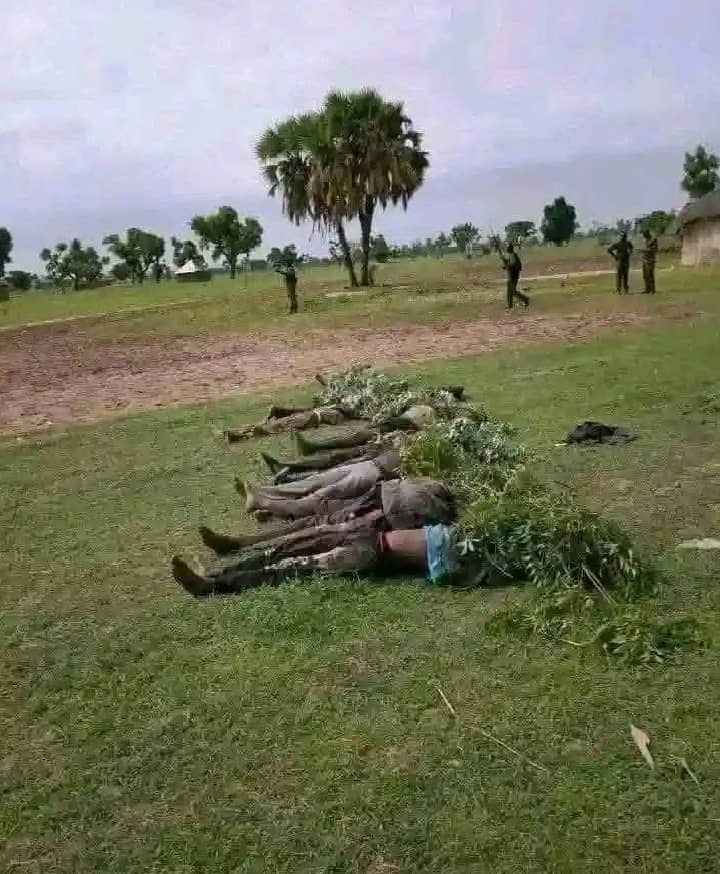
At least 25 individuals were reportedly killed following coordinated early-morning attacks on Mtswenem and Akondotyough Bawa communities in the North Bank area of Makurdi, Benue State, on Thursday. The incident adds to the growing wave of insecurity that has gripped Nigeria’s Middle Belt in recent years.
Although the Benue State Police Command confirmed the attacks, it declined to provide an official casualty figure, stating that investigations were ongoing. However, local reports indicate that 25 bodies were recovered following the assault, which occurred between midnight and 2 a.m.
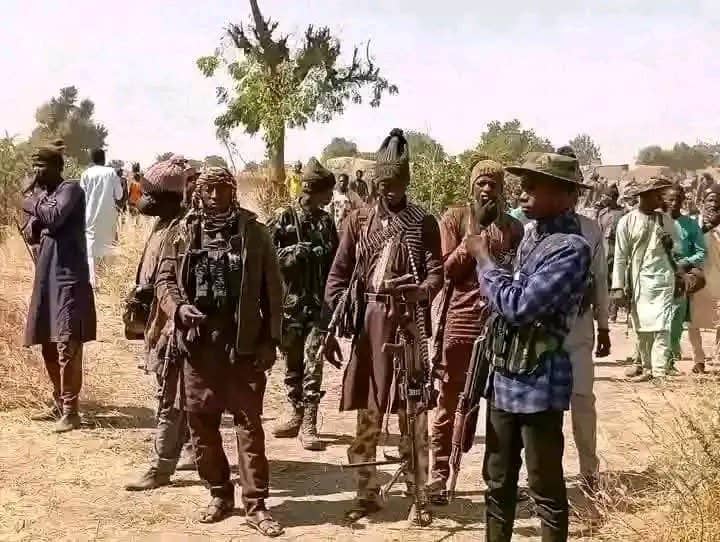
Witnesses described the attackers as armed herders who forcefully entered homes, breaking windows and doors before allegedly carrying out killings. Survivors said the attack was unprovoked. Several residents fled into surrounding bushes and nearby settlements, while others remain unaccounted for at the time of reporting.
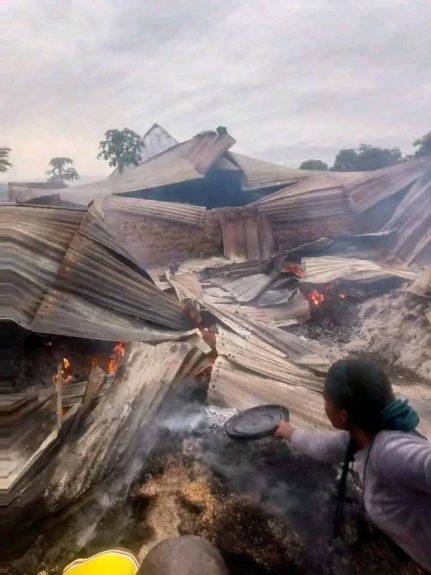
Less than 24 hours later, another attack was launched on Yelewata, a community in Guma Local Government Area. The overnight raid, which began around 10 p.m. on Friday, led to the deaths of at least three security personnel and left more than a dozen people injured.
Publicly available information shows that personnel from the Nigerian Army and the Nigeria Security and Civil Defence Corps (NSCDC) were deployed following distress calls from residents. En route to the affected area, the reinforcement team was reportedly ambushed near Daudu, resulting in the deaths of two soldiers and one NSCDC officer.
The Benue State Police Command also confirmed the Yelewata attack. In a statement issued by the Command’s Public Relations Officer, Edet Udeme, the police said tactical teams had been deployed and engaged the attackers in a gun battle. Some of the assailants were reportedly neutralised during the operation. The police added that medical teams were attending to those injured, though an official civilian casualty figure had yet to be confirmed.
Many of the wounded are currently receiving treatment at the Benue State University Teaching Hospital (BSUTH) in Makurdi, where an emergency appeal has been issued for blood donations. Humanitarian organisations and citizens have been urged to support ongoing recovery efforts through medical supplies and aid.
Benue State has long remained one of Nigeria’s most volatile regions due to protracted farmer-herder conflict. Data from the Nigeria Security Tracker (NST), maintained by the Council on Foreign Relations and last updated in July 2023, show that Benue consistently ranks among states with the highest civilian casualties from communal and armed violence since 2018.
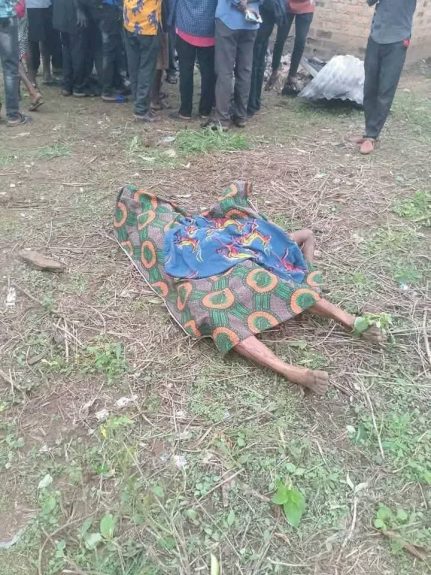
By 2025, reports indicate that over 2,500 people are killed annually across Nigeria’s central belt, with Benue State among the worst-affected. The 2025 Global Terrorism Index, published by the Institute for Economics & Peace, continues to rank Nigeria among the world’s ten most terrorism-affected countries, identifying armed herders and rural banditry as major drivers of violence.
The sustained attacks have worsened an already dire humanitarian crisis in Benue. According to the International Organization for Migration (IOM), over 1.19 million persons were internally displaced across Nigeria’s North-Central and North-West regions as of December 2024, with Benue accounting for a significant proportion. Similarly, data from the National Bureau of Statistics (NBS) revealed that more than 1.13 million Nigerians were displaced in 2023 across seven conflict-impacted states, largely due to herder-farmer clashes and insurgency-linked violence.
As of mid-2024, the National Commission for Refugees, Migrants and Internally Displaced Persons (NCFRMI) reported that Nigeria’s total IDP population had exceeded six million, prompting fresh intervention plans in high-risk states like Benue. However, the state’s expansive rural geography and limited security infrastructure continue to expose communities to recurring assaults.
Recent reports in early 2025 have further raised concerns about the unchecked movement of armed groups across porous rural borders, while delays in emergency response have been cited as factors worsening casualty figures.
While security agencies have pledged to pursue the fleeing attackers and maintain a presence in affected areas, residents in vulnerable communities continue to live in fear, as violent attacks appear to persist with minimal warning or accountability.
At the time of filing this report, security operations were ongoing.