
Chris Okpoko
Nigeria’s oil and gas sector, a crucial backbone of its economy, is facing unprecedented challenges. At the heart of this dilemma lies a pressing question: should Nigeria retain ownership of its struggling refineries or sell them off to private entities?
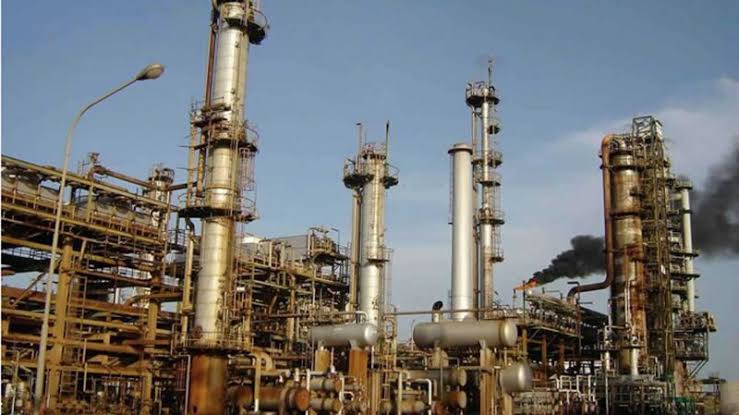
Last month, the Nigerian National Petroleum Company Limited (NNPC Ltd.) announced its plan to shut down the 60,000 barrels per day Port Harcourt Refining Company (PHRC) for maintenance. The scheduled maintenance and sustainability assessment commenced on May 24, 2025.
At its recommissioning, the state-owned firm stated that the Port Harcourt refinery would produce daily outputs of 1.4 million litres of Straight-Run Gasoline blended into Premium Motor Spirit, 900,000 liters of Kerosene, 1.5 million litres of Automotive Gas Oil, 2.1 million litres of Low Pour Fuel Oil, and additional volumes of Liquefied Petroleum Gas. However, reports indicate that the refinery didn’t exceed 42.23 percent of its operational capacity within six months. It disclosed that the facility produced more diesel than PMS blending components of Straight-Run Gasoline and Straight-Run Naphtha. The $1.5bn rehabilitation project, funded through a loan facility backed by international financial institutions, was projected to restore the state-owned facility to full operational status after years of dormancy and seven postponements.
The Warri Refinery, which has a capacity of 125,000 bpd, faced a similar fate. After a brief resumption of operations in December 2024, it shut down again within a month after consuming $897.6m in maintenance costs and failed to produce Premium Motor Spirit (petrol).
Host Communities of the Port Harcourt Refinery, comprising Okrika and Eleme Local Government Areas in Rivers State, have decried the recent shutdown of the facility by the Nigeria National Petroleum Corporation Limited, NNPCL, barely a few months after it was revamped. The host communities at a media briefing in Port Harcourt suspect the shutdown to be a deliberate act of sabotage against national interest. The communities under the aegis of HOSCOM Bulk Petroleum Retailers of the Port Harcourt Refinery expressed dismay, claiming that before the shutdown, there had been no significant progress in refinery operations. They questioned the rationale behind shutting down a refinery that had not yet functioned at full capacity, less than a year after it resumed operations.
Additionally, the Administrative Chairman of the Independent Petroleum Marketers of Nigeria (IPMAN), Rivers State Unit, Pastor Tekena Ikpaki, warned that failure to adhere to the 30-day timeline could create artificial scarcity in Rivers State and other states that rely on supplies from the Port Harcourt Refinery. He suggested that there could have been a phased maintenance of the facility instead of a complete shutdown so as not to stop the outflow of products.
According to experts, the average duration of a refinery turnaround maintenance (TAM) is typically between a few weeks to a few months. However, it can vary depending on the extent of the work. These major shutdowns, which are usually scheduled every 3-5 years, involve extensive maintenance, renovation, or refitting of facilities. The planning phase can also take a significant amount of time, potentially one or two years or more, especially if major processing or equipment changes are involved. Besides the typical major shutdowns, there are also shorter, more focused shutdowns that might occur every 1-2 years, focusing on critical equipment maintenance.
It is against the backdrop that this article argues for the immediate sale of the NNPC refineries, focusing on the inefficiencies associated with state ownership, the financial burden of maintenance, the potential benefits of privatization, and the opportunity for foreign investment that can lead to modernization.
To understand the why behind the necessity of selling Nigeria’s refineries, one must first grasp the current status of these facilities. Nigeria possesses four major refineries located in Port Harcourt, Warri, and Kaduna. Collectively, these refineries have an estimated refining capacity of 445,000 barrels per day. However, they have consistently operated well below capacity, often going months without producing refined products due to outdated technology, a lack of adequate maintenance, and persistent corruption within the sector. The inefficiencies are staggering; according to reports, the refineries collectively operated at only 5% of their capacity in recent years, leading to a heavy dependence on imported refined petroleum products.
The financial implications of maintaining state-owned refineries are dire. The government spends billions in foreign exchange annually trying to repair and maintain these refineries, yet the return on investment has been negligible. In 2020 alone, the refineries recorded a loss of approximately 150 billion naira, raising questions about sustainability and fiscal responsibility. As widely reported in the media in 2023, The House of Representatives Ad Hoc Committee on the State of Refineries in the Country stated that the Federal Government spent a total sum of over N11 trillion on rehabilitating refineries from 2010 to date. This consistent drain on public resources diverts funds that could be channeled to critical sectors such as education, healthcare, and infrastructure development. Instead of being an asset, the refineries have become a liability that impedes Nigeria’s economic progress.
Moreover, the government’s historical inability to effectively manage and maintain these refineries points towards a fundamental flaw in the state ownership model. The incessant breakdowns, attributed to mismanagement and lack of operational expertise, have led to frequent maintenance shutdowns that not only stifle production but also heighten operational costs. If not for Dangote Refinery, Nigeria would have continued to import over 90% of its refined fuel needs, which aggravates issues related to foreign exchange scarcity and the economy’s vulnerability to global crude oil price fluctuations. Each time there is a spike in crude prices, Nigeria finds itself in a precarious position, wrestling with skyrocketing fuel prices and increased living costs for its citizens.
In contrast, privatizing the refineries can tackle the systemic issues afflicting this sector. A shift towards private ownership will encourage competition, innovation, and efficiency which have long been absent. Private entities typically prioritize profitability, prompting them to invest in advanced technologies, efficient supply chains, and innovative management practices. For instance, countries like Brazil and Algeria, which have successfully privatized their oil refineries, have reaped the benefits of enhanced operational efficiency, improved profitability, and ultimately greater energy security.
Furthermore, selling Nigeria’s refineries can pave the way for foreign direct investment (FDI). The global oil market is rich with opportunities, and numerous international companies are prepared to invest in upgrading and operating refineries in emerging markets. FDI not only brings capital but also expertise and technologies that can modernize aging infrastructure. In doing so, these investments potentially position Nigeria as a refining hub within the West African region, fostering job creation and boosting ancillary industries.
Some critics may argue against selling Nigeria’s refineries, positing that privatization will lead to job losses and reduce government income. While it is true that some job restructuring may occur, it is essential to view this in the context of overall economic benefit. Privatization can create new job opportunities through expanded operations and increased investments, while also generating tax revenue for the government from more efficiently run entities. Additionally, the government could consider introducing regulatory frameworks to protect local employees and ensure corporate social responsibility from private operators. However, privatization does not imply selling the refineries to their cronies and impostors.
The national pride of state-owned enterprises cannot be overlooked; however, it is crucial to recognize that pride must not come at the cost of economic viability. Retaining ineffective refineries simply because they were once symbols of national industrialization holds little merit when weighed against the opportunity for progress through privatization. Countries that have privatized their oil sectors, such as Mexico and Angola, have experienced transformations in their economies, resulting in better services and lower energy costs for their citizens.
Moreover, the maintenance of Nigeria’s refineries has become an unmanageable burden on the government’s budget, especially considering the numerous corrupt practices that have plagued the sector. The frequent breakdowns are often attributed to the misappropriation of funds allocated for maintenance, leaving many facilities in states of disrepair. By privatizing the refineries, the government can eliminate the risk of corruption in public procurement and provide private companies the incentive to maintain high operational standards.
Critics might also reference fears about monopolistic behavior from private players. However, government regulation can mitigate such risks. Establishing robust regulatory frameworks that ensure competition within the sector will deter monopolistic practices. Furthermore, allowing multiple stakeholders to operate within the refining space can foster innovation and consumer choice.
In conclusion, Nigeria’s refineries represent a significant burden rather than an asset under the current state ownership model. The alarming inefficiencies, substantial financial losses, and relentless maintenance challenges underline the urgent need for reform. Selling these refineries now would not only relieve the government of an untenable financial obligation but also attract necessary investments to revitalize the sector. Embracing privatization may seem daunting, but if approached strategically, it offers a promising path toward increasing the efficiency, competitiveness, and reliability of Nigeria’s petroleum sector. The time has come for Nigeria to part ways with its dilapidated refineries and embrace a future built on innovation and sustainable economic growth.