
Crystal Charles
Nepal has been plunged into turmoil after a youth-led protest movement escalated into deadly clashes and forced Prime Minister KP Sharma Oli to resign this week.
The unrest began on September 8, when tens of thousands of young Nepalis took to the streets of Kathmandu against corruption and nepotism. A government ban on social media only inflamed anger. When some protesters breached barricades at parliament, police opened fire, killing at least 19 people.
The crackdown sparked wider violence. On Tuesday, demonstrators torched parliament, politicians’ homes, and offices of major parties. Nepal’s largest media house, Kantipur Publications, was also attacked. The death toll from two days of clashes has climbed to 31.
By Tuesday afternoon, Oli announced his resignation, but protesters – calling themselves the “Gen Z movement” – are demanding parliament’s dissolution, fresh elections, an interim government with youth representation, and accountability for the September 8 shootings. The army has imposed a curfew in Kathmandu.
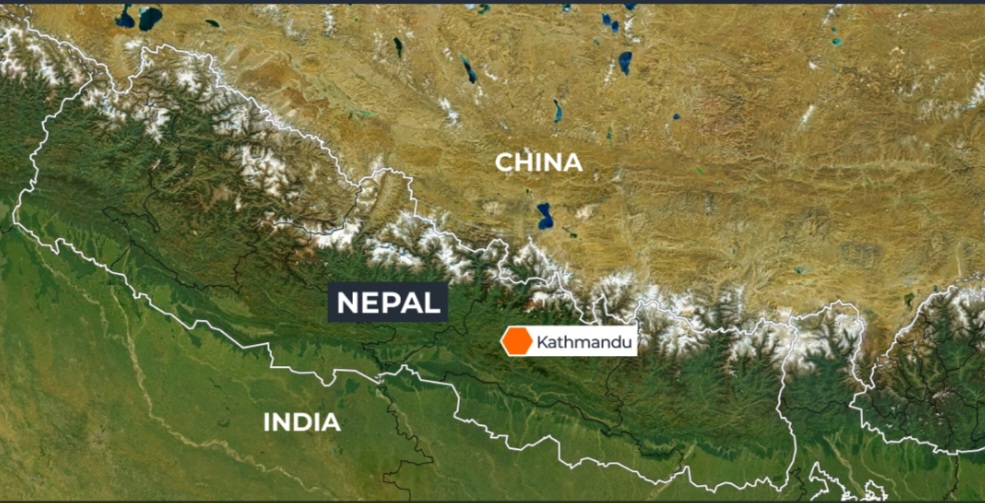
Nepal’s upheaval mirrors recent youth-driven movements in Sri Lanka (2022) and Bangladesh (2024) that toppled governments. Analysts warn that instability in the Himalayan nation of 30 million has wider regional implications, given its strategic position between India and China.
Mass protests are not new to Nepal. The country’s modern history has been shaped by cycles of student agitation, palace interventions, and violent struggles – from the fall of the Rana monarchy in 1951, to the 1990 revolution that ended the “panchayat” party-less system, to a decade-long Maoist civil war.
Today’s unrest may mark another turning point – not only for Nepal’s fragile democracy, but for South Asia’s political balance.