
Esther Imonmion
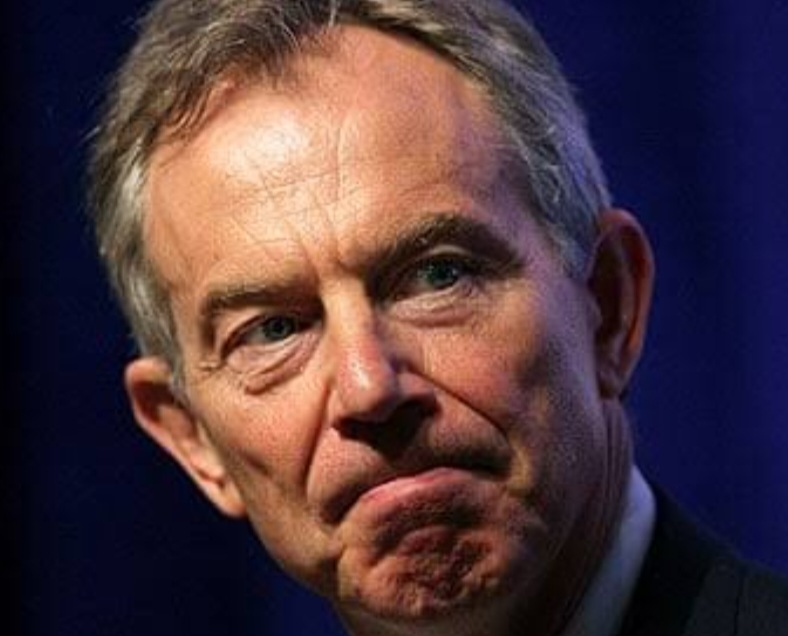
In the midst of ongoing talks to end the conflict in Gaza, former UK Prime Minister Sir Tony Blair has emerged as a potential figure to oversee a temporary Gaza transition authority. According to sources, the idea is to establish a UN-backed governing body, supported by Gulf states, to manage Gaza until control can be returned to the Palestinian authorities. The proposal was quietly discussed at the United Nations, highlighting the international community’s focus on stabilizing the war-torn region.
Blair’s name carries weight in diplomatic circles. Having served as the Quartet’s envoy after leaving office in 2007, he worked on economic development in Palestine and advanced the two-state solution. His experience in navigating politically sensitive environments has made him a candidate in Washington for managing the delicate Gaza transition. Blair’s office has clarified that any role he might take would not involve displacing Gaza’s civilian population, emphasizing a commitment to humanitarian principles.
The discussions gained momentum after a White House meeting in August between Blair and US President Donald Trump. US Middle East envoy Steve Witkoff described these talks as “very comprehensive,” though specific details were withheld. Palestinian President Mahmoud Abbas has publicly signaled willingness to work with international actors while insisting that Hamas disarm and relinquish any governing authority.
The backdrop of these discussions is a humanitarian crisis: since the October 2023 Hamas-led attacks on Israel, tens of thousands of Palestinians have died, and countless more have been displaced. The proposed Gaza transition authority aims to provide governance, restore essential services, and coordinate reconstruction in a politically neutral framework.
Reactions to Blair’s potential involvement are mixed. Some international diplomats view his participation as a stabilizing force with the experience to guide Gaza through the post-conflict period. Critics, however, caution that foreign leadership could face local resistance and complicate efforts to return authority to Palestinian hands. Analysts stress that the success of the Gaza transition depends on blending international support with local legitimacy, ensuring the residents of Gaza are not further marginalized.
As ceasefire talks continue, the idea of a structured Gaza transition remains central to discussions among global leaders, UN agencies, and regional powers. Blair’s potential role underscores the international community’s search for solutions to one of the most complex conflicts in the Middle East, where stabilization, governance, and humanitarian relief are urgently needed.