
Daniel Otera
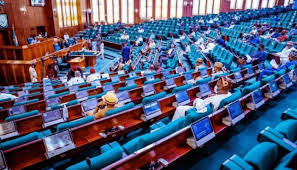
A decisive step toward tightening Nigeria’s anti-corruption laws was taken on Wednesday as the House of Representatives passed for second reading a bill to amend the Money Laundering (Prevention and Prohibition) Act, 2022. The amendment, championed by Hon. Yusuf Gagdi (Kanke/Pankshin/Kanam Federal Constituency, Plateau State), seeks to introduce a civil asset recovery model that would allow the government to confiscate unexplained wealth without waiting for criminal convictions.
“While the current Act focuses on criminal prosecution and forfeiture, it places a heavy evidential burden on law enforcement agencies,” Gagdi told his colleagues during the debate. “The proposed civil model complements this by shifting the burden of proof to individuals in possession of questionable assets.”
The bill proposes a legal framework that empowers anti-graft agencies like the Economic and Financial Crimes Commission (EFCC) to obtain ex parte court orders for assets that appear inconsistent with a person’s legitimate income. It also aims to ensure a transparent judicial process while aligning Nigeria’s anti-money laundering regime with international best practices.
Countries such as the United Kingdom, Kenya, and South Africa have already adopted similar civil recovery models, which Gagdi said have proven effective in deterring corruption and promoting accountability. “This reform will promote integrity in both public and private sectors by ensuring citizens live within their lawful means,” he added.
The legislative push comes at a time when Nigeria is seeking to consolidate its removal from the Financial Action Task Force (FATF) Grey List. The FATF had previously flagged Nigeria for strategic deficiencies in its anti-money laundering and counter-terrorism financing frameworks. Although the country was delisted earlier this year, experts have warned that sustained reforms are necessary to prevent a relapse.
Following a voice vote presided over by Speaker Tajudeen Abbas, the bill was unanimously passed and referred to the relevant House Committee for further legislative work and a public hearing.
If enacted, the amendment could mark a significant shift in Nigeria’s anti-corruption strategy moving from reactive prosecution to proactive asset recovery, and sending a strong message to those living beyond their means without clear sources of income.