


Malami Demands EFCC Chairman’s Recusal, Alleging Bias
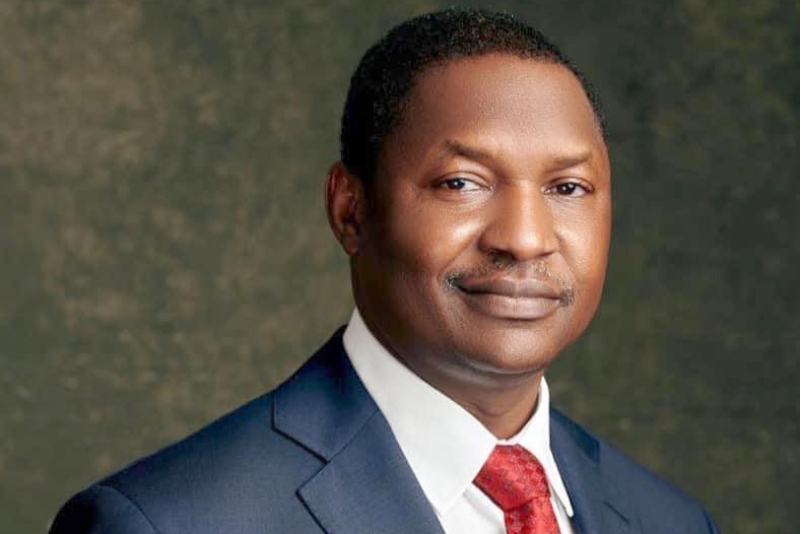
Former Attorney-General of the Federation and Minister of Justice, Abubakar Malami, SAN, has called for the immediate recusal of the Economic and Financial Crimes Commission (EFCC) Chairman, Ola Olukoyede, from overseeing his investigation, citing allegations of deep-seated bias and a personal vendetta.
In a press statement issued on Monday by his media aide, Muhammad Doka, Malami described the probe as a retaliatory act, rooted in historical animosity from his tenure as the nation’s chief law officer. He specifically referenced the 2020 Justice Ayo Salami Judicial Commission of Inquiry, which investigated former EFCC Acting Chairman Ibrahim Magu. Malami pointed out that the panel made adverse findings against the current EFCC Chairman, Ola Olukoyede, who served as its secretary. These findings, reportedly related to procedural conduct, form the basis of Malami’s claim that Olukoyede’s impartiality is compromised.
“The present investigation bears all the hallmarks of retaliatory persecution motivated by personal vengeance,” Malami stated.
The former minister, who defected from the ruling All Progressives Congress (APC) to the African Democratic Congress (ADC) in July 2025 amid plans to contest the 2027 Kebbi State governorship election, has framed the probe as political persecution. He has demanded that the EFCC either charge him to court or release him unconditionally within 24 hours, invoking his constitutional rights to personal liberty under Sections 35(3), (4), and (5) of the 1999 Constitution (as amended). Furthermore, he has called on the current Attorney-General of the Federation to intervene and transfer the case to another agency to ensure credibility.
Malami’s statement also leveled accusations of procedural abuse against the EFCC, including illegal detention and media trial tactics. He criticized the commission’s reported plans to use witnesses convicted in foreign jurisdictions. His legal team has formally requested copies of the petitions and investigation reports to prepare his defense.
“Nigeria must not become a republic where anti-corruption agencies are tools of political intimidation,” Malami declared, emphasizing his intention to seek transparency through the judicial process.
The EFCC’s investigation into Malami is reported to encompass allegations of abuse of office, money laundering, and discrepancies in the management of recovered funds from the late former Head of State, General Sani Abacha. Media reports have detailed up to 18 distinct offences and scrutiny of multiple bank accounts. The commission has previously stated that Malami’s detention resulted from his failure to meet administrative bail conditions, firmly denying any political motivations behind the probe.
As of the time of publication, the EFCC had not issued an official response to Malami’s latest demands for the chairman’s recusal.
This development amplifies broader concerns voiced by opposition figures regarding the alleged selective application of anti-corruption laws. The Kebbi State chapter of the ADC had previously accused the EFCC of bias in Malami’s case. While the former AGF maintains that the investigation is fundamentally flawed and unfair, the EFCC continues to assert that its actions are strictly lawful and apolitical.