
Exclusive: Suspected ISWAP Operatives Arrested in Lagos.
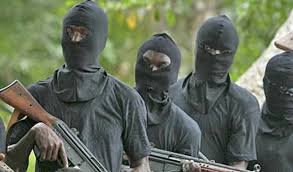
Two suspected operatives of the Islamic State West Africa Province (ISWAP) were arrested in Lagos on Sunday, December 21, signaling a potential expansion of the terror group’s footprint into Nigeria’s commercial and economic hub.
According to exclusive security briefings obtained by this publication, the suspects—identified as Modu Gana and Ibrahim Dugge—were apprehended in the Apapa area by operatives of the State Security Service (SSS) at approximately 8:45 a.m.
Intelligence sources indicate that the individuals are believed to have fled the conflict-ridden North-east, relocating southwards to Lagos under unclear circumstances. They are currently in custody and undergoing intensive interrogation to determine their mission, affiliations, and potential network in the region.
When contacted for official comment, the agency maintained a low-profile media policy since reassigning its former spokesperson, Peter Afunanya, a strategy it says supports its intelligence-gathering functions.
While authorities have not publicly linked the suspects to any active plot, security analysts note that ISWAP has long sought to extend its influence beyond its traditional strongholds in the North-east. The arrest of suspected fighters in Lagos raises concerns about the group’s attempts to embed operatives in major urban centers.
Nigeria’s battle against Islamist insurgency has persisted for over 15 years, with groups including Boko Haram and its more lethal splinter faction, ISWAP, carrying out attacks primarily in Borno, Adamawa, and Yobe states. However, in recent years, insurgent activity has sporadically been reported in other regions, including the Federal Capital Territory and parts of the North-west and North-central zones.
Despite sustained military pressure, the conflict remains a critical national security challenge. In May, National Security Adviser Nuhu Ribadu disclosed that over 13,500 insurgents had been neutralized and more than 124,000 had surrendered since President Bola Tinubu assumed office—a testament to both the intensity of the fighting and the ongoing counter-insurgency efforts.
The arrest in Lagos underscores the complex and evolving nature of the threat, highlighting the need for continued vigilance, intelligence-sharing, and inter-agency coordination to prevent the spread of terrorist activities to Nigeria’s most populous city and economic nerve center.
Further updates will be provided as more details emerge from the investigation.