

Federal Government Reaffirms Ban on Meter Sales as New Distribution Phase Begins
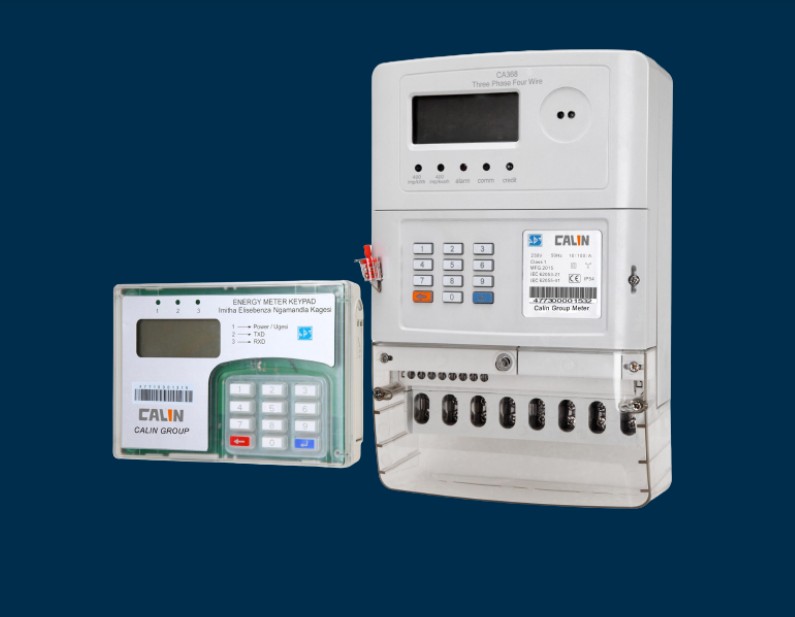
The Federal Government has issued a stern warning against the illegal sale of electricity meters. Minister of Power, Adebayo Adelabu, reaffirmed this stance during a strategic ministerial briefing in Abuja. He stated clearly that consumers must not pay out-of-pocket for these essential measuring devices. This directive aims to protect Nigerians from arbitrary charges imposed by unscrupulous distribution company officials. Furthermore, the government plans to accelerate the National Mass Metering Programme to ensure total coverage. This policy shift targets the elimination of the controversial estimated billing system across the federation.
The Nigerian Electricity Regulatory Commission maintains strict guidelines regarding the acquisition of these energy assets. Active voice regulations dictate that DisCos must provide meters without demanding upfront cash payments. Furthermore, the government has secured significant funding to procure millions of units for nationwide deployment. These devices remain the property of the distribution companies according to existing industry legal frameworks. Consequently, any demand for payment by technicians constitutes a direct violation of federal law. The Ministry of Power has set up a task force to monitor compliance.
Conversely, many electricity consumers continue to report widespread extortion by local distribution company staff. These individuals often claim that meters are unavailable unless customers pay unofficial “fast-track” fees. In a related development, several DisCos cited liquidity challenges as a major hurdle to rapid deployment. They argue that the current tariff structure limits their capacity to fund massive hardware procurement. Nevertheless, the Federal Government insists that the burden of metering remains an institutional responsibility. The Minister urged citizens to report any illegal demands to the appropriate regulatory authorities.
The success of this no-sale policy depends heavily on the transparency of the distribution process. Analysts suggest that a lack of hardware supply often creates a black market for meters. Furthermore, the government must address the historical backlog of unmetered households to restore public trust. Systematic metering serves as the primary tool for accurate revenue collection in the power sector. It also allows consumers to manage their energy consumption effectively and reduce monthly utility costs. The government intends to phase out estimated billing within the next fiscal year entirely.
Adequate power supply remains a critical pillar of Nigeria’s industrial and economic growth strategy. Proper metering provides the necessary data for future investment decisions in the national electricity grid. Furthermore, the government is exploring local manufacturing options to reduce the cost of meter importation. This move would create jobs and ensure a more sustainable supply chain for the industry. The Ministry of Power expects all stakeholders to align with these new consumer protection directives. For now, the focus remains on enforcement and the rapid rollout of the next phase. Nigeria’s path to energy stability requires a transparent, fair, and fully metered distribution system.
Keywords: