
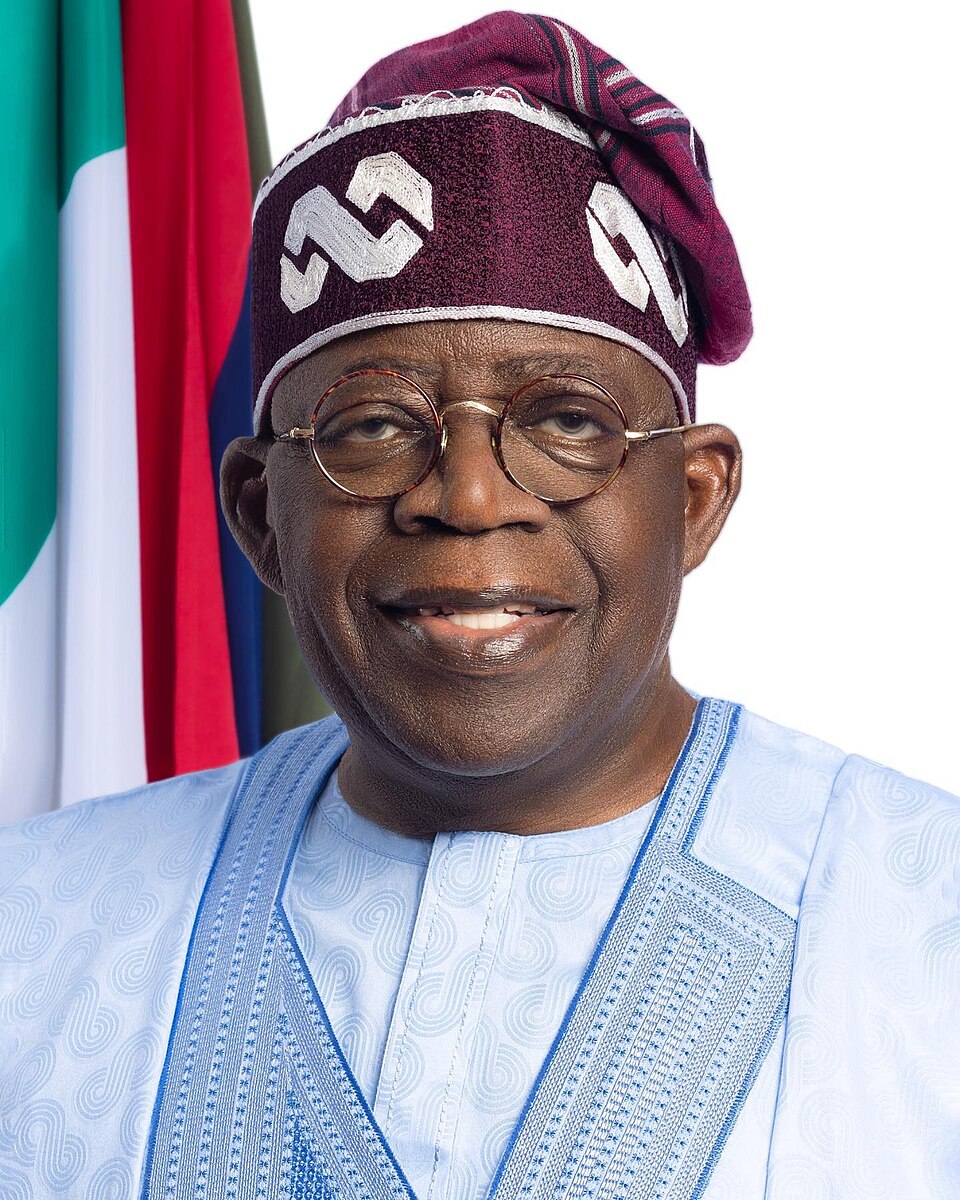
President Bola Ahmed Tinubu returned to the nation’s capital on Saturday night following a high-stakes state visit to Türkiye. The presidential aircraft, Nigeria Air Force 1, touched down at the Nnamdi Azikiwe International Airport at 8:55 p.m. Several senior government officials, including FCT Minister Nyesom Wike and Finance Minister Wale Edun, received the President upon arrival. This diplomatic mission to Ankara resulted in the signing of nine critical bilateral agreements and Memoranda of Understanding. These accords span essential sectors such as defense, energy, trade, and higher education. President Tinubu’s return marks the conclusion of a deliberate effort to reposition Nigeria within the shifting global order.
The primary objective of the visit centered on expanding economic cooperation and strengthening national security. Turkish President Recep Tayyip Erdoğan reaffirmed a commitment to increase bilateral trade to $5 billion annually. Currently, the trade volume between the two nations fluctuates at approximately $2 billion. Both leaders agreed to establish a Joint Economy and Trade Committee to facilitate this ambitious growth. Furthermore, the committee will serve as a permanent mechanism for removing structural barriers to investment. President Tinubu emphasized that his administration remains dedicated to building an inclusive and productive economy. Conversely, the success of these deals depends heavily on the rapid institutionalization of the new agreements.
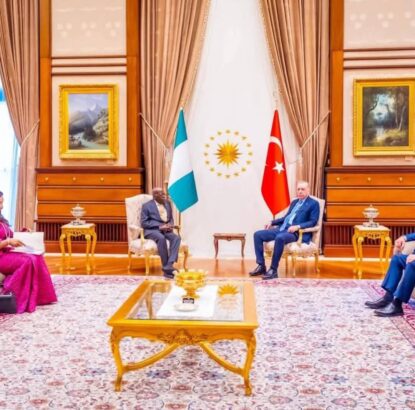
In a related development, security cooperation emerged as a fundamental pillar of the Ankara discussions. Türkiye has pledged robust support for Nigeria’s ongoing battle against terrorism, particularly within the Sahel region. The new protocols cover intensified military training, intelligence sharing, and defense industry collaboration. Nigeria has already integrated Turkish defense technology, including Bayraktar drones, into its current security architecture. Furthermore, President Erdoğan offered to share Türkiye’s extensive experience in counter-terrorism operations with Nigerian forces. These strategic moves signal a deepening reliance on Ankara as a primary defense partner for Abuja. Conversely, the implementation of these security pacts must navigate complex regional dynamics across West Africa.
The diplomatic entourage included high-ranking ministers such as Yusuf Tuggar of Foreign Affairs and Christopher Musa of Defence. Their presence underscored the whole-of-government approach adopted during the high-level negotiations in Türkiye. Furthermore, agreements on diaspora policy and halal quality infrastructure aim to give Nigerian exports a competitive edge. The legal framework for these deals involves the Office of the Attorney General and the Ministry of Justice. This comprehensive engagement suggests a move beyond temporary projects toward a durable strategic partnership. Furthermore, the Nigerian delegation held productive talks with leading Turkish firms regarding technology and capital inflows.
Looking ahead, the administration must translate these signed documents into measurable relief for the Nigerian people. The President’s economic diplomacy aims to attract foreign investment following sweeping domestic market reforms. Furthermore, the strengthening of security ties provides a necessary foundation for long-term national stability. The global community continues to observe Nigeria’s renewed push for influential partnerships outside traditional Western spheres. Consequently, the next few months will be critical for the effective rollout of these bilateral programs. For now, the focus remains on the Joint Economy and Trade Committee’s first official meeting. Nigeria’s journey toward a $1 trillion economy requires such bold and institutionally anchored international collaborations.