


California: Seismic Swarm Triggers Over 200 Earthquakes Near San Ramon Within 24 Hours.
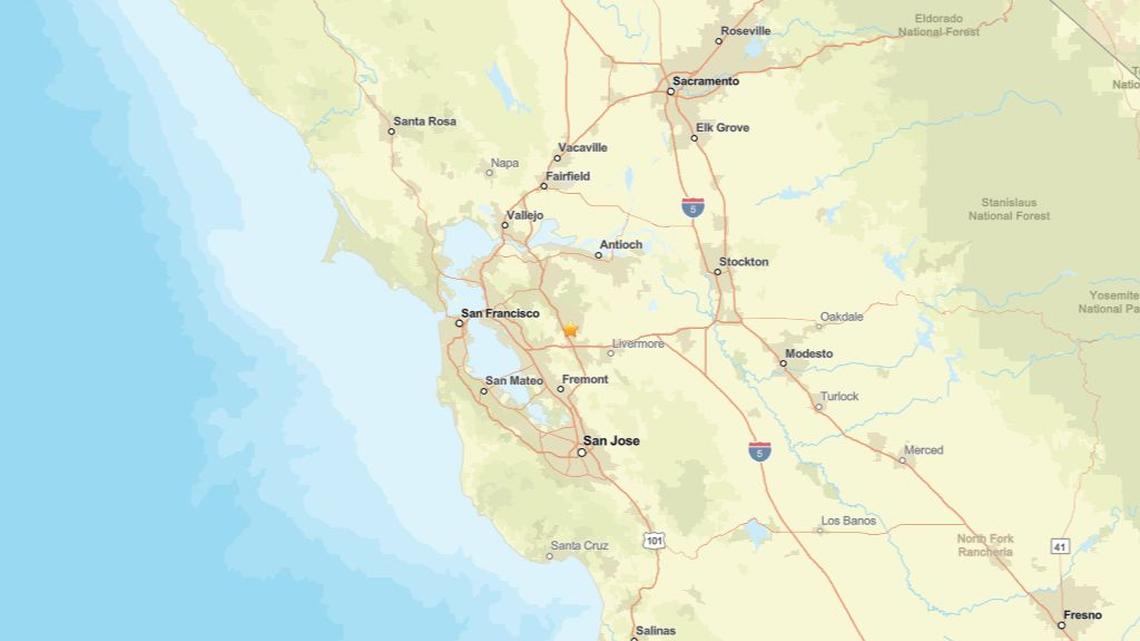
A rapid succession of seismic events recently rattled the residents of San Ramon, a suburban city in California. Geologists recorded over two hundred distinct earthquakes within a single twenty-four-hour window on Thursday morning. These tremors ranged significantly in intensity, though most remained below a magnitude of three point zero. Local authorities report no immediate casualties or catastrophic structural failures within the affected metropolitan residential areas. However, the sheer frequency of these quakes has triggered widespread anxiety throughout the East Bay region. Consequently, emergency management teams have activated heightened surveillance protocols to monitor the ongoing underground shifting activity.
The United States Geological Survey identifies this phenomenon as a “seismic swarm” occurring along local faults. Unlike traditional earthquake patterns, swarms do not feature a single, massive mainshock followed by smaller aftershocks. Instead, these events consist of numerous mid-sized tremors that persist over several days or weeks. Furthermore, the epicenter of this activity sits dangerously close to densely populated neighborhoods and critical infrastructure. Scientists believe the current movement stems from pressure adjustments within the complex Calaveras Fault system. Conversely, residents must now prepare for the possibility of a much larger seismic event occurring soon.
City officials in San Ramon have urged citizens to review their household emergency kits and evacuation plans. They emphasized the importance of securing heavy furniture and checking gas connections for potential leaks tonight. Furthermore, schools and local businesses conducted spontaneous safety drills to ensure everyone understands the “drop and cover” rule. Many residents describe the experience as a continuous, unsettling vibration that rattles windows and awakens sleeping families. In a related development, state transit authorities are inspecting bridges and overpasses for any signs of hairline cracks. These precautionary measures aim to prevent any preventable tragedies should the seismic intensity suddenly escalate.
The persistent nature of this swarm provides researchers with a rare opportunity to gather high-fidelity geological data. They are deploying additional sensors around the San Ramon Valley to track the underground movement more accurately. Furthermore, these findings will eventually help engineers design more resilient buildings for future generations of Californians. The state’s history with tectonic instability makes such rigorous scientific inquiry a matter of public survival. However, the immediate priority remains the safety and mental well-being of the traumatized suburban population. The Journal Nigeria will continue to monitor global seismic trends to provide context for our readers.
Ultimately, the San Ramon swarm serves as a potent reminder of the earth’s inherent and unpredictable volatility. Modern technology allows us to track these movements, yet we cannot fully control the elemental forces. Preparedness remains the only effective shield against the inevitable shifts of the planet’s massive tectonic plates. Authorities must maintain transparent communication with the public to prevent unnecessary panic during this restless period. As the ground continues to tremble, the resilience of the community faces a significant and ongoing test. We expect further updates from international geological observers as the swarm eventually begins to subside.