


Dangote Cement Promises Surplus by 2030
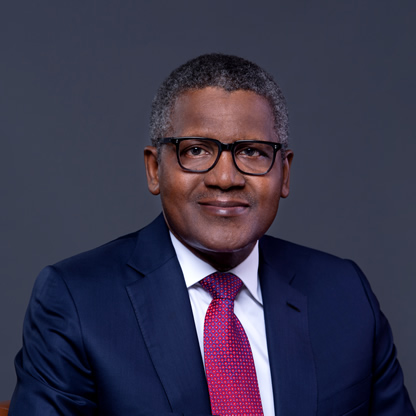
Dangote Cement Plc has formally reaffirmed its commitment to securing total self-sufficiency for the African construction sector by the end of this decade. During a strategic briefing in Lagos, the Group Managing Director, Arvind Pathak, detailed an aggressive roadmap to bridge persistent supply gaps. The company currently targets a massive production capacity of 90 million metric tonnes per annum across its continental operations by 2030. This ambitious expansion aims to dismantle Africa’s historical dependence on imported clinker and finished construction materials from overseas. Consequently, the pan-African conglomerate is positioning itself as the primary catalyst for the continent’s rapid urbanization and infrastructure development. This pivot reflects a broader “Africa First” philosophy that prioritizes indigenous manufacturing over foreign-led procurement models.
The company currently operates a sophisticated network of integrated plants and distribution hubs across ten diverse African nations. This logistical framework allows the firm to leverage Nigeria as a central export hub for West and Central Africa. Furthermore, the management is accelerating investments in greenfield projects and capacity upgrades at existing facilities in high-demand zones. The newly commissioned export terminals at Apapa and Onne already facilitate the steady movement of clinker to neighboring coastal states. These strategic maritime assets significantly reduce the landing costs for construction companies operating within the ECOWAS regional trade bloc. Conversely, the firm remains focused on achieving operational excellence to stabilize the unpredictable retail prices of cement in local markets.
In a related development, the Group President, Aliko Dangote, recently highlighted the economic imperative of localized production for national prosperity. He argued that exporting raw materials while importing finished goods essentially amounts to “exporting jobs while importing poverty” to the continent. Furthermore, the company has successfully transitioned to a more sustainable energy matrix by deploying over 3,000 compressed natural gas trucks. These technological investments aim to curb rising logistics expenses while simultaneously reducing the carbon footprint of its massive supply chain. This environmental commitment aligns with global standards as the company seeks to attract more international development finance for its expansion.
Ultimately, the success of the 2030 roadmap depends on the seamless implementation of the African Continental Free Trade Area agreement. A borderless trade environment will allow the company to move its high-quality products across regions without prohibitive tariff barriers. Furthermore, the firm recently announced a significant education fund to empower the next generation of African industrial engineers and technicians. This human capital investment ensures that the continent possesses the indigenous talent required to manage these complex industrial assets. The Journal Nigeria will continue to monitor how these massive production volumes translate into affordable housing for the common man. Africa’s industrial future now rests on the strength of the foundations currently being laid by its indigenous giants.