


Aerial Terror Rises as ISWAP Deploys Explosive Drones
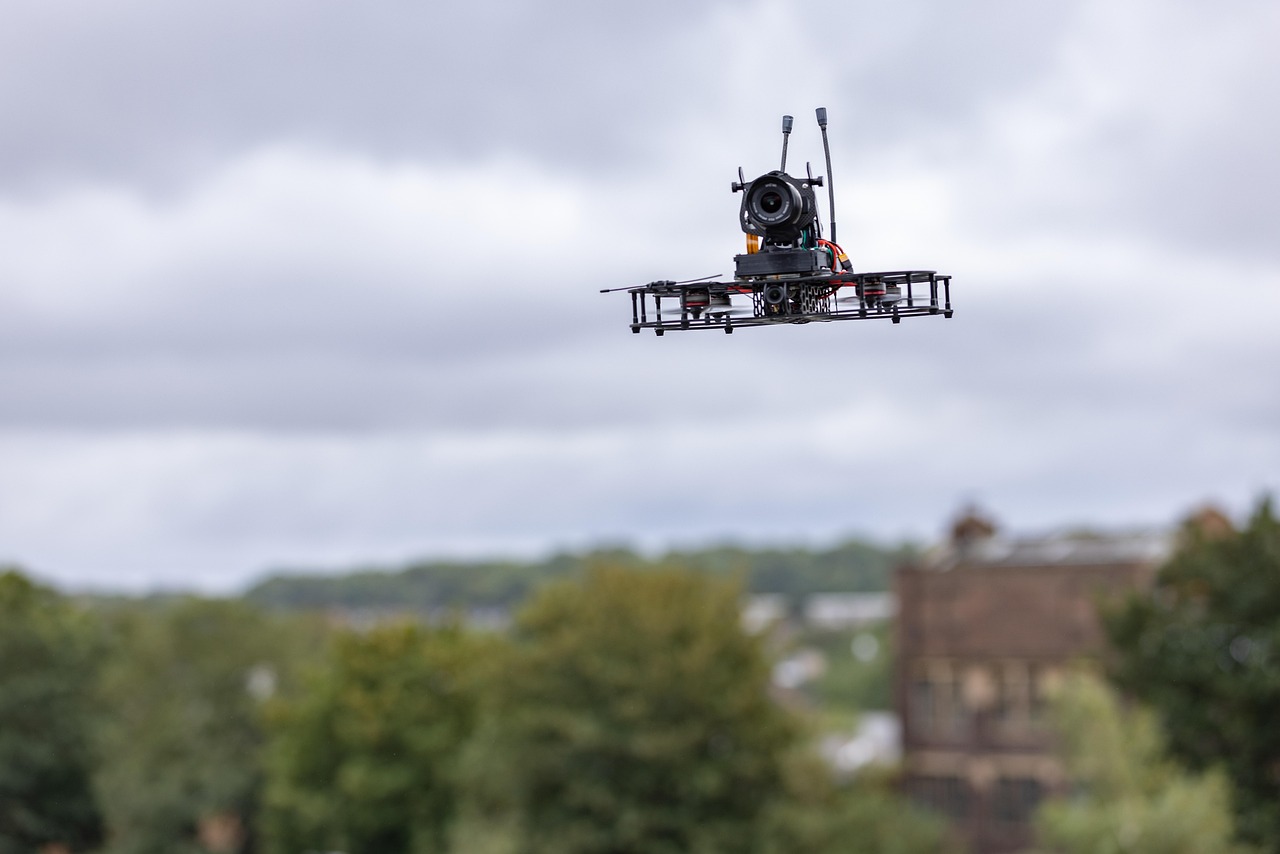
ABUJA — Nigeria’s internal security crisis entered a more ominous phase this week as intelligence reports confirmed a surge in coordinated drone attacks by extremist groups. The Islamic State West Africa Province (ISWAP) has reportedly conducted nearly 20 drone-related missions across the northeast and neighboring Lake Chad regions since 2024. Security experts warn that these “war from the skies” tactics represent a significant shift toward asymmetric warfare. Furthermore, the Armed Conflict Location & Event Data Project (ACLED) reveals that militants are now rigging commercial quadcopters with explosives to strike military targets.
The gravity of this aerial threat became clear during a deadly January 29 assault on a military base in Borno State. Insurgents utilized multiple armed drones alongside ground fighters, resulting in the tragic loss of nine Nigerian soldiers. Analysts suggest that porous borders have allowed these groups to smuggle sophisticated hardware despite strict domestic regulations. Conversely, while the military recently introduced the domestically developed “Damisa” weaponized drone, the pace of terrorist adoption appears to be outstripping official countermeasures. This technological race now places rural communities and frontline troops under a constant shadow of surveillance and sudden bombardment.
In a related development, the “traditional” scourge of kidnapping and communal violence continues to ravage the Middle Belt and North Central regions. Gunmen intercepted a commercial Sienna bus yesterday along the Ejule-Aloma road in Kogi State, abducting approximately ten passengers. This incident occurred shortly after a violent clash in Ibaji Local Council left four persons dead. Meanwhile, in Benue State, nine worshippers were whisked away from Saint John’s Catholic Church during a midnight vigil on Sunday. These persistent attacks have prompted calls for the Kogi State Government to deploy its own surveillance drones to track abductors in real-time.
Furthermore, President Bola Tinubu has pledged to overhaul the national security architecture to protect the country’s economic stability. Speaking yesterday at the Second National Economic Council (NEC) Conference in Abuja, the President described terrorism and banditry as “foreign to our culture.” He vowed that his administration would fulfill its “Renewed Hope” mandate by strengthening security forces and establishing seven agricultural mechanization zones. Tinubu stressed that without total peace, the nation’s aspirations for inclusive growth and sustainable development would remain perpetually stalled.
Ultimately, the Nigerian state finds itself at a critical crossroads where low-tech banditry meets high-tech insurgency. The government must move beyond declarations to implement a data-driven, technologically superior defense strategy. Only a robust, multi-tiered response can reclaim the peace that has become increasingly elusive across the federation.