
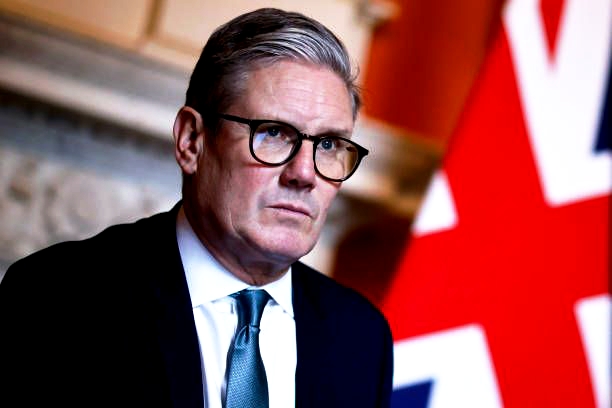
British Prime Minister Keir Starmer has rejected growing calls to resign after his decision to appoint veteran Labour figure Peter Mandelson as the United Kingdom’s ambassador to the United States triggered a deepening political crisis tied to renewed scrutiny of Mandelson’s past association with disgraced financier Jeffrey Epstein.
Starmer’s refusal to step aside came on Monday despite pressure from within his own party, including a rare public call for resignation from Anas Sarwar, leader of the Scottish Labour Party. The controversy has intensified questions about Starmer’s political judgment and leadership barely months into his premiership.
The crisis worsened following the resignation of Tim Allan, Starmer’s communications chief, just a day after the departure of his closest political adviser, Morgan McSweeney. McSweeney said he accepted responsibility for advising the prime minister on Mandelson’s appointment to Britain’s most sensitive diplomatic post.
Starmer has attempted to reframe the narrative by stressing political stability and his mandate to govern. Speaking to Labour lawmakers in Westminster, he dismissed suggestions of stepping down, warning that internal division could hand momentum to opposition forces.
“After fighting so hard for the opportunity to change our country, I am not prepared to walk away from my responsibility or plunge Britain into chaos,” Starmer said, adding that his priority was preventing the rise of the right-wing Reform Party, led by prominent Brexit figure Nigel Farage.
“That is my fight, and it is a fight we must take on together,” he told party colleagues.
Despite mounting criticism, Starmer received backing from senior cabinet members and several figures viewed as potential leadership rivals. A supportive reception at the parliamentary Labour Party meeting suggested there is currently no coordinated move to remove him from office.
However, Sarwar’s intervention marked a significant escalation. Speaking in Scotland—where Labour’s popularity has dipped sharply since the 2024 general election—Sarwar said continued controversy surrounding the prime minister was damaging the party’s credibility.
“The distraction must end. Leadership in Downing Street has to change,” Sarwar said, describing his call as one made with “a heavy heart.”
Downing Street responded by reaffirming Starmer’s legitimacy, with a spokesperson stating that the prime minister holds “a clear five-year mandate from the British people” and remains focused on delivering policy reforms.
The political uncertainty briefly rattled financial markets, pushing up UK government borrowing costs amid investor fears that leadership instability could usher in a more left-leaning successor with higher spending plans. Sterling also dipped against the euro before recovering after key Labour figures publicly endorsed Starmer.
As pressure mounts, analysts say the controversy could test Starmer’s authority at home and complicate Britain’s diplomatic posture abroad, particularly in Washington, where Mandelson’s appointment remains under intense scrutiny.