

Tinubu Ends NNPC’s 30% Revenue Cuts
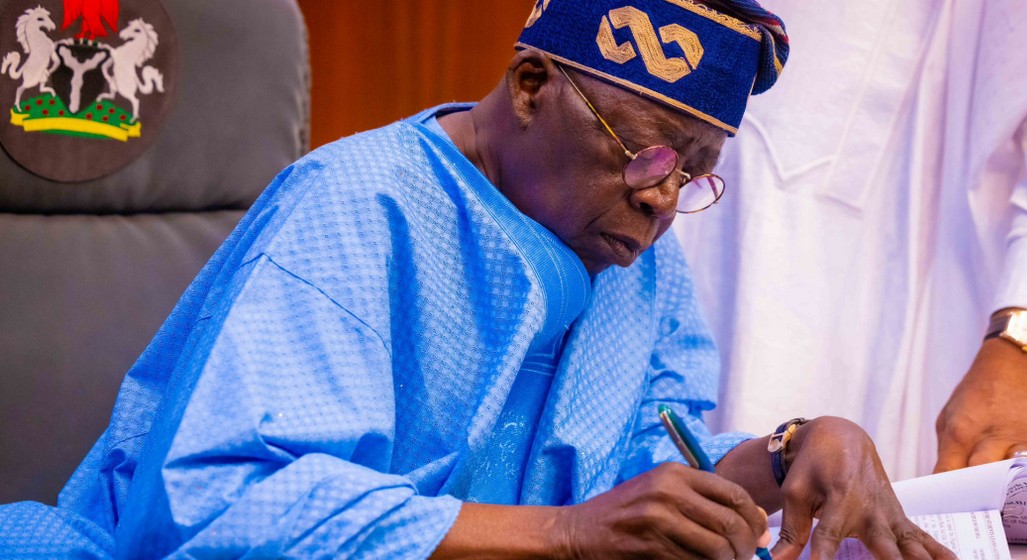
ABUJA — President Bola Ahmed Tinubu has signed a high-stakes Executive Order effectively stripping the Nigerian National Petroleum Company Limited (NNPCL) of its power to deduct a staggering 60% of oil revenues at source. The directive, formally gazetted on February 13, 2026, as Executive Order No. 9, eliminates the controversial 30% management fee and the 30% Frontier Exploration Fund previously allowed under the Petroleum Industry Act (PIA). Presidential spokesperson Bayo Onanuga confirmed on Wednesday that all oil and gas receipts, including royalties and profit oil, must now flow directly into the Federation Account. Consequently, the three tiers of government—Federal, State, and Local—are set to receive a significant liquidity boost as the administration seeks to reclaim constitutional revenue entitlements.
The Presidency justified this sweeping intervention by citing Section 44(3) of the 1999 Constitution, which vests absolute ownership of mineral resources in the Government of the Federation. Under the 2021 PIA framework, NNPCL had been retaining a 30% management fee alongside another 30% for speculative inland basin exploration. Furthermore, the Federal Government argued that the company’s existing 20% profit retention for working capital is more than sufficient for its commercial functions. While it is true that the PIA was hailed as a landmark reform, the administration now believes its “structural leakages” have diverted two-thirds of potential remittances. Indeed, the President identified a “competitive distortion” in NNPCL acting as both a commercial operator and a concessionaire with influence over operating costs.
This Executive Order also targets the Midstream and Downstream Gas Infrastructure Fund (MDGIF), halting the payment of gas flare penalties into that account. All such penalties must now go directly to the Federation Account to fund broader national priorities like healthcare and education. In a related development, the President has approved a high-level implementation committee chaired by the Minister of Finance to oversee this transition. Granted, this move essentially “chips away” at validly legislated sections of the PIA, potentially setting the stage for a legislative showdown with the National Assembly. Significantly, however, the Budget Office previously warned that Nigeria was losing nearly 60% of its gross oil revenue to these legal “black holes” under the current architecture.
Notably, the Order introduces a joint project team where the Nigerian Upstream Petroleum Regulatory Commission (NUPRC) will serve as the primary interface for integrated operations. Above all, the President seeks to reposition NNPCL strictly as a commercial enterprise that competes fairly with private players. Subsequently, all operators under Production Sharing Contracts (PSCs) must ensure that royalty and tax oil are paid directly to the appropriate fiscal authorities rather than the national oil company. Although the move signals a tightening of federal oversight, it remains an “interim corrective measure” pending a formal review and amendment of the PIA itself.
Finally, the success of Executive Order No. 9 will depend on the speed of its enforcement across the complex petroleum value chain. Therefore, the administration must navigate the legal complexities of overriding statutory provisions through executive fiat to avoid investor jitters. As a result of this reform, the Federation Account Allocation Committee (FAAC) expects a substantial increase in distributable funds starting from the March 2026 cycle. The quest for transparent and constitutionally compliant oil revenue flows has become the centerpiece of President Tinubu’s latest economic offensive.