
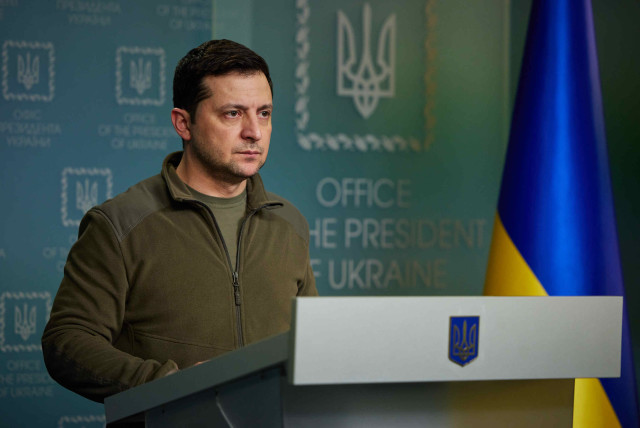
Nigeria on Tuesday joined 106 countries to endorse Ukraine at the United Nations. The vote marked four years since Russia launched its full-scale invasion. The United Nations General Assembly adopted a resolution backing “lasting peace in Ukraine.” A total of 107 nations voted in favour of the motion. Twelve countries opposed the resolution, while 51 abstained from voting. Notably, the United States declined to support the measure.
The resolution demanded an immediate and unconditional ceasefire across Ukrainian territory. It also urged prisoner exchanges and the return of forcibly transferred civilians. Furthermore, it reaffirmed Ukraine’s sovereignty within internationally recognised borders. The vote occurred during an emergency special session in New York. Diplomats framed the anniversary as a moment of moral reckoning. Above all, supporters insisted that the war threatens global stability.
The President of the General Assembly, Annalena Baerbock, condemned Russia’s invasion in stark terms. She argued the assault shattered Europe’s long-held assumptions about peace. Accordingly, she warned against normalising prolonged armed conflict on the continent. Similarly, UN Secretary-General António Guterres described the war as unlawful. He said the invasion violated the UN Charter and international law.
Moreover, he stressed that civilian casualties have surged dramatically in 2025. Consequently, he renewed calls for an immediate and comprehensive ceasefire. At the Security Council, Ukraine pressed its case with urgency. Deputy Foreign Minister Mariana Betsa labelled the invasion a threat to global order. She cited civilian bombardments, nuclear risks, and child deportations as grave concerns. Therefore, she demanded stronger sanctions and binding security guarantees. Betsa rejected territorial concessions and called sovereignty a non-negotiable principle. She warned that unchecked aggression would endanger smaller states worldwide. Indeed, her remarks reflected Kyiv’s refusal to legitimise territorial losses.
Russia’s delegate dismissed the Assembly’s intervention as misplaced. He accused European governments of escalating tensions instead of encouraging negotiations. Furthermore, he described Ukraine’s 2014 political shift as illegitimate. Moscow insisted any settlement must reflect what it termed new territorial realities. Nigeria’s vote aligns it with a broad coalition supporting Ukraine’s territorial integrity.
Although Abuja has often maintained balanced diplomacy, this vote signals clarity. Nevertheless, the abstentions and opposition votes reveal a fractured global consensus. Four years into the conflict, the war shows no decisive resolution. However, Tuesday’s vote underscores mounting impatience within the international community. Therefore, the diplomatic battle now parallels the protracted military confrontation.
Ultimately, the Assembly lacks enforcement power but commands symbolic authority. Significantly, Nigeria’s stance situates it within the majority bloc demanding peace. Whether that pressure shifts realities on the battlefield remains uncertain.