
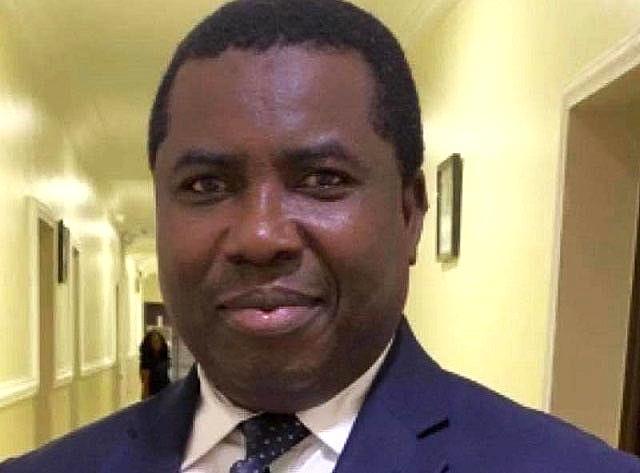
Nigeria’s electoral umpire has warned citizens to temper their expectations for the 2027 general elections. Professor Joash Amupitan, Chairman of the Independent National Electoral Commission (INEC), stated on Sunday that while the commission will strive for excellence, a “100 per cent perfect election” is unrealistic. Speaking at a town hall programme, Amupitan aimed to manage the high public demand for a flawless exercise following the controversies of 2023.
The commission confirms it now possesses the full capacity to transmit election results electronically. Amupitan noted that INEC pushed for the “mandatory” transmission of results during the drafting of the Electoral Act 2026. However, the definition of “real-time” transmission remains a technical and logistical hurdle. Recent local elections in the Federal Capital Territory (FCT) served as a sobering case study for these difficulties.
Logistics, rather than just digital infrastructure, remain the primary threat to electoral integrity. In the Kuje Area Council, results from one ward were delayed by an entire day due to impenetrable terrain and a lack of mobile network coverage. Officials were unreachable for hours, forcing the commission to send physical couriers to ensure their safety. Amupitan argued that an election is only as good as its logistics; where they fail, the process fails.
The new Electoral Act 2026 is the product of a three-year review involving the National Assembly and civil society. Amupitan stepped into his role as the work was concluding, but claims the commission secured vital recommendations in the final text. The goal is to move beyond the classification of Nigeria’s elections as underdeveloped. Transparency, he argued, is the only way to restore the public trust that evaporated in previous cycles.
Human error also continues to plague the commission’s operations. The FCT polls encountered several “logistical issues” that the chairman attributed to personnel failures rather than systemic flaws. Corrective measures are reportedly underway to address these internal weaknesses before the national stage in 2027. The chairman’s candour suggests a shift toward managing reality rather than overpromising on technology.
Despite the caveats, the commission remains optimistic about the next cycle. Amupitan believes the Nigerian voter of 2027 is more informed and demanding than in 2023. This increased awareness, coupled with a hunger for development, is expected to drive higher standards of accountability. For INEC, the challenge is to match that civic energy with a process that is credible, even if it is not perfect.