


Red Sea Conflict Triggers 40% Surge in Nigerian Freight Costs
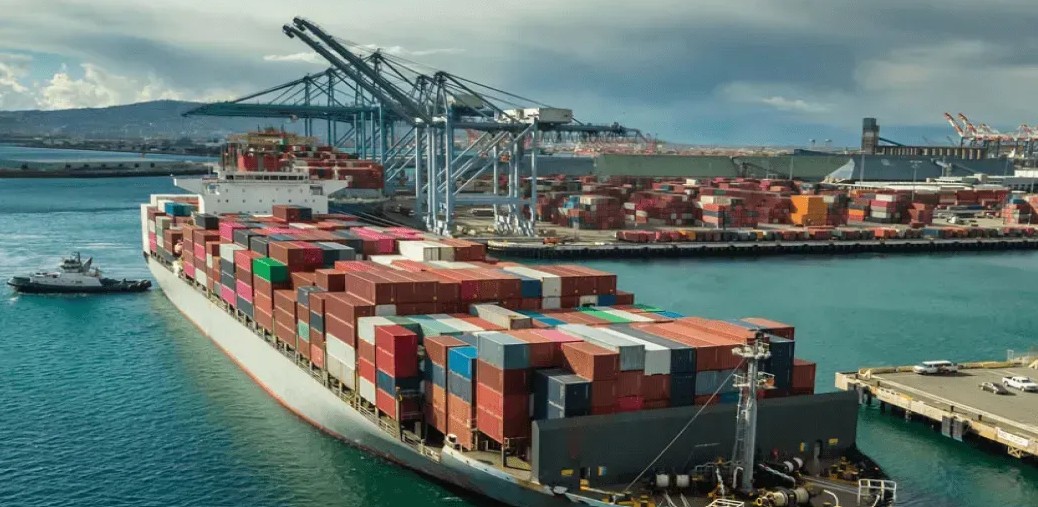
Nigerian importers and exporters are facing a period of intense economic turbulence as the escalating Middle East conflict upends global maritime trade. Local shipping stakeholders warned on Tuesday that freight rates could surge by 40 per cent as major carriers abandon the Suez Canal. The Sea Empowerment and Research Center (SEREC) further cautioned that marine war-risk insurance premiums may spike by 400 per cent in high-risk corridors. These mounting overheads will inevitably be passed down to Nigerian consumers, stoking inflationary pressures.
The logistical crisis is driven by a total rethink of global trade routes to prioritise vessel safety. Mediterranean Shipping Company (MSC), the world’s largest carrier, has already implemented a new pricing tier effective from 10 March 2026. Bringing a 40-foot container into Nigeria will now cost $5,600, while 20-foot dry vans are pegged at $4,600. This follows a broader trend of “emergency conflict surcharges” as lines move to offset the spiralling costs of the current security vacuum.
For Nigerian exporters, the disruption threatens to ground vital shipments of crude oil, LNG, sesame seeds, and agricultural commodities. The United Arab Emirates, a primary hub for re-exporting Nigerian goods, is now largely inaccessible via standard routes. Hapag-Lloyd has suspended all bookings from African countries to the Upper Gulf region, including Kuwait, Qatar, and Iraq. These restrictions mean that Nigerian produce risks rotting in warehouses as shipping lines pull back from the region.
The primary cause of the delay is the wholesale abandonment of the Suez Canal-Red Sea passage. Ships are now rerouting around Africa’s Cape of Good Hope, adding roughly two weeks to the standard 30-day journey from Asia to Nigeria. This detour burns millions of dollars in extra fuel and operational expenses. Giants like Maersk and CMA CGM have officially reversed earlier plans to return to the Red Sea, citing a “deteriorating security situation” that shows no signs of stabilizing.
Logistics experts describe the situation as a nightmare for “just-in-time” supply chains. Manufacturers in Nigeria who rely on raw materials from Japan, Korea, and Southeast Asia are seeing their lead times explode. With CMA CGM slapping surcharges of up to $3,000 on 40ft containers, the landed cost of goods is becoming prohibitive for many local businesses. The abandonment of the shortest path to the East has effectively isolated the Nigerian market from its most affordable supply lines.
The long-term impact on the Nigerian maritime sector remains grim if the conflict persists. Port congestion is expected to worsen as arrival schedules become increasingly unpredictable. Stakeholders are now calling for federal intervention to mitigate the impact on the cost of living. Without a diplomatic resolution in the Middle East, the Nigerian economy will continue to pay a heavy “conflict premium” for every tonne of cargo that crosses its borders.