
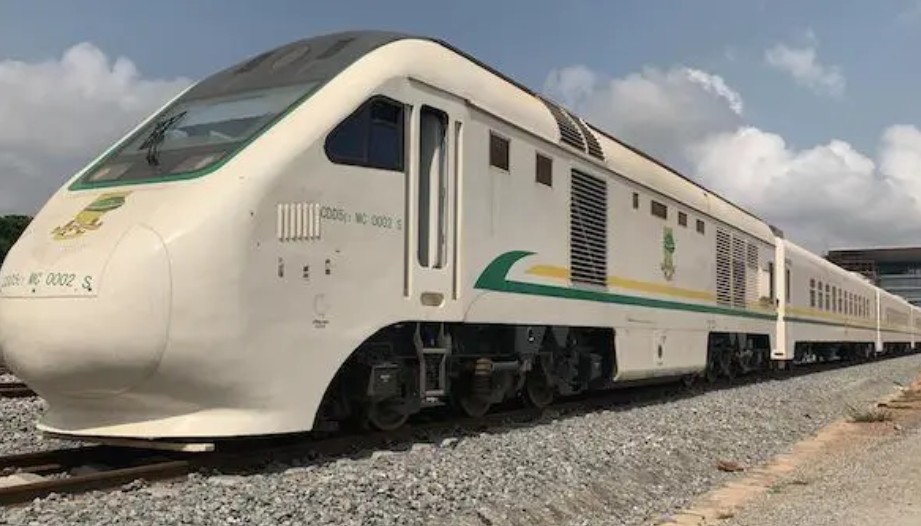
The Nigerian Railway Corporation (NRC) will increase train frequency on the Abuja–Kaduna corridor starting Friday, March 6. The expansion marks a significant recovery for the country’s most vital rail link, which has suffered from reduced rolling stock and safety restrictions for nearly four years. Under the new schedule, the corporation will operate three daily trips on Mondays, Fridays, Saturdays, and Sundays to accommodate a surge in passenger demand. Mid-week services on Tuesdays and Thursdays will maintain a two-trip schedule.
This move signals an end to the “emergency” operational phase that followed two major crises. A 2022 terror attack and a subsequent derailment in August 2025 had decimated the available train sets, reducing the fleet from three to just one functional unit. The NRC also introduced Temporary Speed Restrictions (TSR) during this period, which lengthened travel times and frustrated commuters. Chief Public Relations Officer Callistus Unyimadu confirmed on Tuesday that stability has been restored and speed limits are being gradually relaxed.
Days Departure (Idu) Departure (Rigasa) Trips
Tue & Thu 8:45 a.m. 2:30 p.m. 2
Fri & Sun 7:45 a.m., 3:15 p.m., 11:30 a.m. 3
Sat & Mon 11:00 a.m. 7:15 a.m., 3:00 p.m. 3
The return to multiple daily trips is expected to ease the heavy congestion at terminal stations. Passengers had increasingly complained of being stranded or forced back onto the dangerous Abuja–Kaduna highway due to the limited rail capacity. All expanded services will continue to make scheduled stops at Kubwa, serving the Federal Capital Territory’s northwestern suburbs. The NRC insists that while capacity is growing, safety remains the “top priority” in their operational planning.
Logistical improvements are not the only changes coming to the tracks. The corporation has cautioned travellers against carrying excess luggage, setting a strict limit of 25kg for all passengers. Security remains heightened across the corridor, with the NRC’s internal police command maintaining a “no arms” policy for all passengers. These measures are designed to prevent a repeat of the security breaches that previously crippled the service.
For the Nigerian government, the revival of the rail corridor is a matter of both economic and political urgency. The railway serves as a critical artery for transport and commerce between the capital and the north. By restoring these trips, the NRC hopes to rebuild public confidence in mass transit as a safe and reliable alternative to road travel. Whether the current rolling stock can withstand the renewed pressure of a 14-trip weekly schedule remains the industry’s primary concern.