

US-Israel Decapitates Iranian Leadership as Gulf War Widens
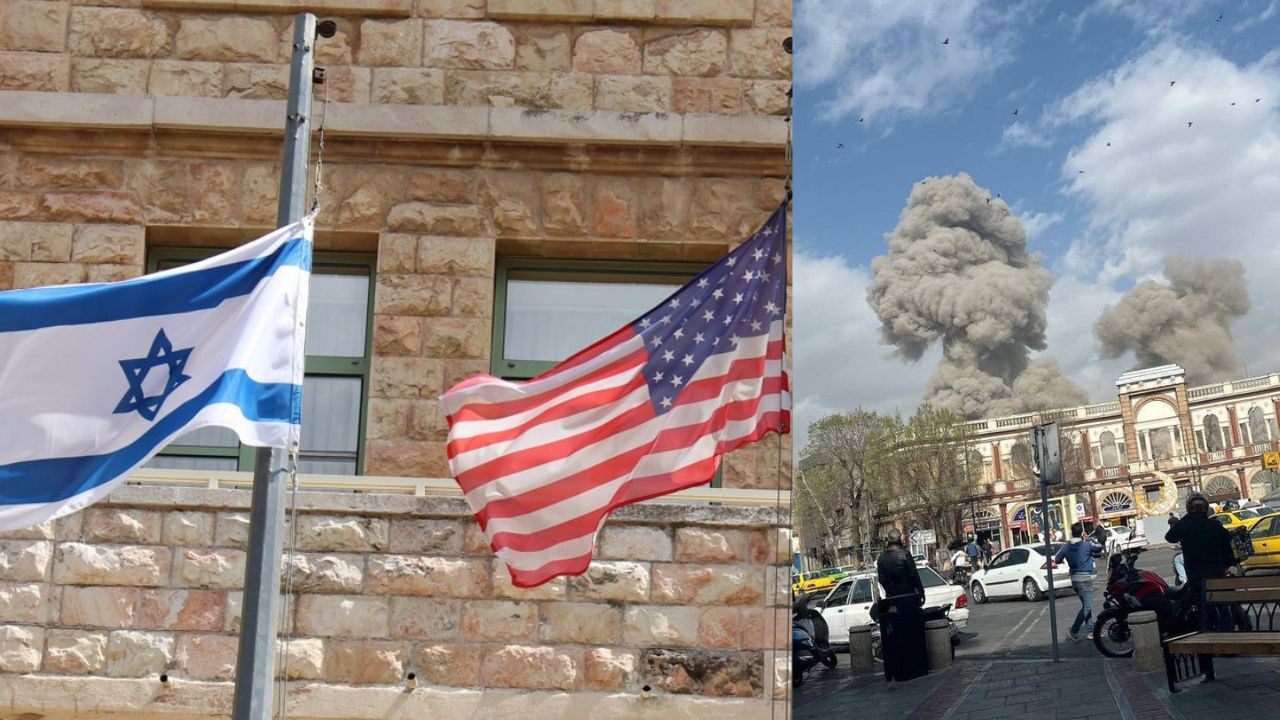
The Middle East has plunged into a generational conflict as US and Israeli forces sustain a “broad wave of strikes” designed to dismantle the Iranian state. President Donald Trump, meeting with German Chancellor Friedrich Merz on Wednesday, claimed that two waves of attacks have already killed several figures considered potential successors to Ayatollah Ali Khamenei. The Pentagon confirmed it has hit nearly 2,000 targets since Saturday, an aerial campaign larger in scale than the 2003 “Shock and Awe” invasion of Iraq.
While the US claims to have “knocked out” Iran’s navy and air force, Tehran’s Revolutionary Guards insist they maintain “complete control” over the Strait of Hormuz. The effective closure of this chokepoint has sent global energy prices soaring and left hundreds of tankers stranded. In a direct challenge to this blockade, the US Navy has been ordered to escort commercial vessels through the waterway. Despite American claims of naval superiority, Iranian drones struck near the US consulate in Dubai and the Al-Udeid air base in Qatar early Wednesday.
Read Also: Cooking Gas Prices Soar as Iran Conflict Chokes Supply
The human cost in Iran is staggering, with the Iranian Red Crescent reporting 787 dead, including over 150 people killed in a single strike on a school in Minab. Tehran has transformed into a ghost town as residents flee or shelter in place behind police and armoured vehicle cordons. The US President suggested a “substantial” new strike targeted at a secret meeting of Iranian officials attempting to select a new leadership council. “Most of the people we had in mind are dead,” Trump remarked from the White House.
Regional Casualties and Displacement
| Location | Reported Fatalities | Key Developments |
| Iran | 787 | Leadership decapitated; Minab school strike. |
| Lebanon | 52 | 30,000 displaced; paramedics killed in Baalbek. |
| Israel | 9 | Missile strike on Beit Shemesh. |
| The Gulf | 8 | Drones hit US assets in Dubai and Qatar. |
Lebanon has become a primary second front as the Israeli military issued an “urgent warning” for residents to evacuate 16 southern towns. Israeli jets hit a residential building in Baalbek and a hotel in central Beirut on Wednesday, killing at least ten people in the preliminary toll. Hezbollah continues to launch retaliatory drones at Israel, but the group is struggling under the weight of a coordinated campaign targeting its command structures far beyond the border regions.
Western nations are currently limiting their involvement to repatriating citizens as commercial air travel collapses. Britain and France have joined the US in sending chartered flights to evacuate those stranded in the crossfire. Meanwhile, Saudi Arabia has moved into a defensive posture, reporting the interception of two cruise missiles over its territory. The kingdom and its neighbours now face a dilemma: their anti-missile stockpiles are holding, but the intensity of the Iranian barrage is testing their long-term endurance.
The Revolutionary Guards have vowed to escalate the economic pain if the bombardment of Tehran continues. General Ebrahim Jabbari warned that Iran would target all “economic centres in the region” in response to strikes on its main hubs. This threat to global oil infrastructure remains the most potent weapon in a diminished Iranian arsenal. For now, the largest US military buildup in a generation is focused on ensuring that the “new group” of Iranian leaders has no infrastructure left to lead.