


Infrastrcuture: FG Condemns Carter Bridge, Approves Six Federal Roads
The Federal Government will demolish and replace Lagos’s iconic Carter Bridge after technical audits confirmed the structure is beyond repair. The Federal Executive Council (FEC) approved the decision on Wednesday as part of a broader ₦1.2 trillion infrastructure funding. Advanced Engineering Consultants secured the ₦5.6bn contract to design the replacement. This marks the end of an era for one of the three main bridges connecting the Lagos mainland to the island.
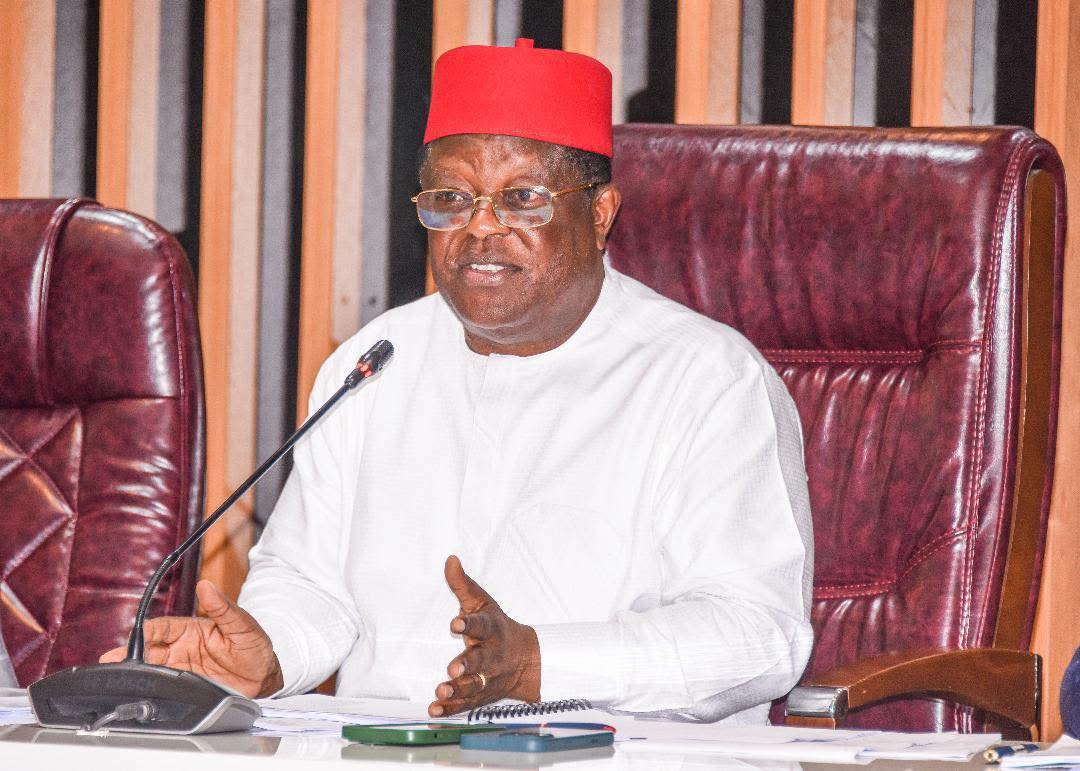
Minister of Works David Umahi also announced the re-award and redesign of six major highway projects across the federation. The 103km Ibadan–Ife–Ilesa dual carriageway leads the portfolio with a ₦427bn price tag. This project sat dormant under the previous administration despite an initial award. The government has now moved to restart the engines on this critical Western corridor.
In the North, the Kano–Kongolam road is undergoing a radical shift in philosophy. The 132km stretch will transition from traditional asphalt to a three-lane concrete carriageway. At ₦334bn, the design now incorporates solar-powered streetlights and CCTV surveillance. This move signals a new federal standard for security and durability on international transit routes.
The administration is also cleaning up inherited contractual messes. The Suleja–Minna road saw its previous contract with Salini Construction terminated for poor performance after only 10km of progress. China Geo-Engineering Corporation (CGC) will now take over the remaining 71km for ₦91bn. On the Abuja–Lokoja axis, the government has split the 86km reconstruction among five firms, including Julius Berger. Using reinforced concrete instead of bitumen reflects a pivot toward longer-lasting road surfaces.
Connectivity around the capital remains a priority with the ₦203bn rehabilitation of the Keffi–Nasarawa–Abaji road. This phase targets the 129km link between Nasarawa State and the FCT. High-traffic corridors such as these are essential for the movement of food and labor into the capital’s core.
The Ministry of Works faces a tight clock for these interventions. Mr. Umahi pledged to commission at least four road projects in each of the six geo-political zones by 15 May. This aggressive timeline suggests the presidency wants visible results before its next anniversary. Whether the contractors can meet these deadlines while switching to more demanding concrete specifications remains to be seen.