

Oil Surges Past $100 as Middle East Conflict Paralyses Shipping
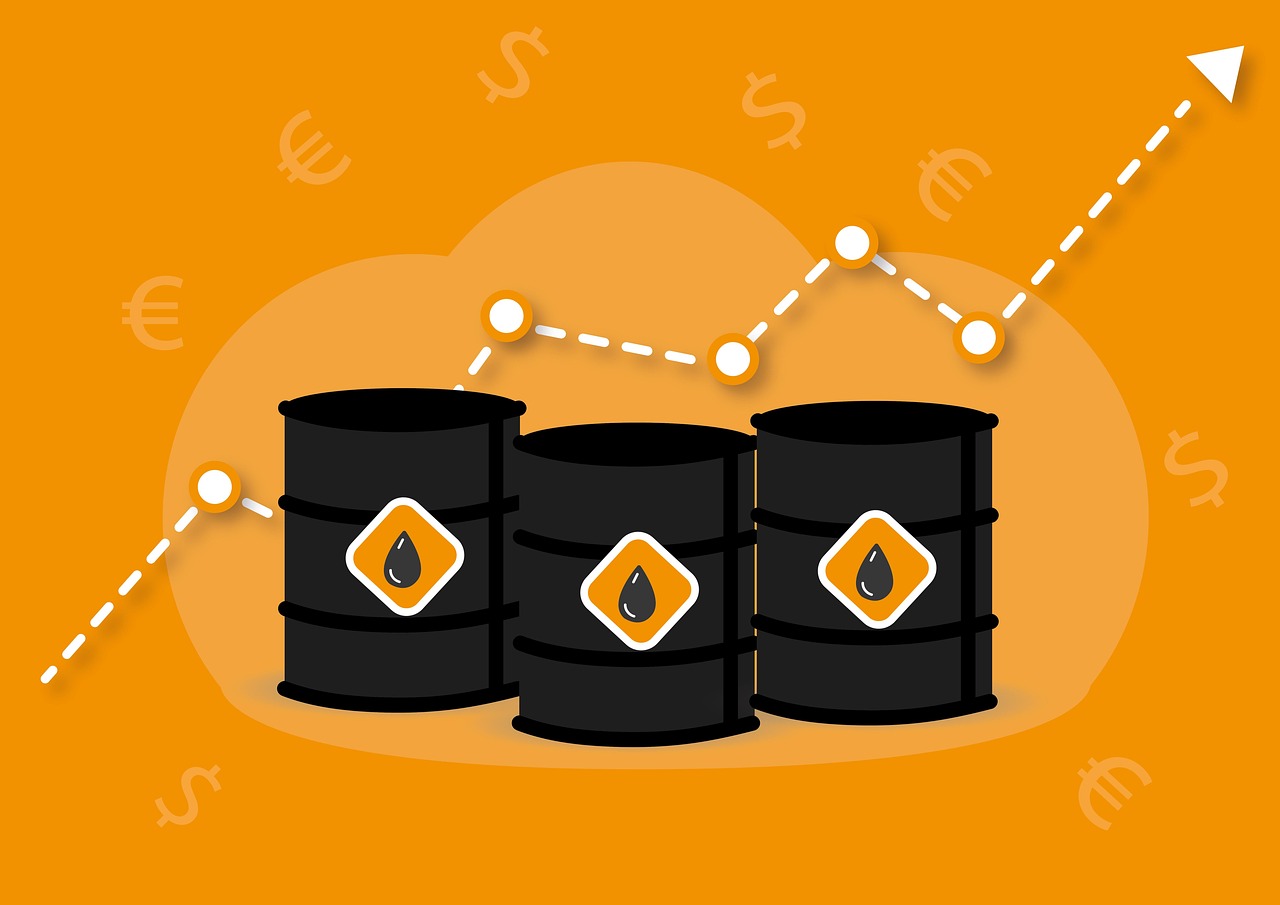
Renewed Iranian attacks on energy infrastructure have pushed Brent crude back above $101, neutralising a record release of strategic reserves by the International Energy Agency (IEA). Despite the IEA dumping 400 million barrels into the market, the effective closure of the Strait of Hormuz has kept traders on edge. Roughly one-fifth of the world’s crude passes through this strait, which is now a theatre of war. Global equity markets fell on Thursday as the prospect of a prolonged “war of attrition” spooked investors from Tokyo to London.
The physical toll on regional energy assets mounted quickly over the last 24 hours. Iranian forces reportedly struck two tankers in Iraqi waters and targeted fuel storage tanks in Bahrain. Drones also reached Saudi Arabia’s Shaybah oil field and Oman’s Salalah port, forcing a suspension of operations at the latter. Baghdad, Kuwait, and Riyadh have already signaled output cuts in response to the volatility. The maritime safety of the region is now in tatters.
Iran’s Revolutionary Guard Corps has broadened its rhetoric, threatening “economic centres and banks” linked to Western interests. A published list of potential targets includes the regional offices of American tech giants such as Google, Amazon, and Nvidia. Tehran appears to be betting that global economic fragility will force a diplomatic retreat by its rivals. Analysts warn that a $100-per-barrel floor may become the new reality if hostilities do not cease.
The shockwaves are hitting the aviation and logistics sectors with immediate force. Air New Zealand has cancelled over 1,000 flights, while Cathay Pacific has doubled its fuel surcharges to cope with soaring costs. Governments are dusting off emergency protocols to manage potential shortages. New Zealand is considering decades-old laws to restrict vehicle use, and Australia has relaxed fuel quality standards to squeeze more supply into its domestic market.
Central banks now face a nightmare scenario: a fresh spike in inflation just as they prepared to cut interest rates. The “geometry of risk,” as some analysts describe it, has shifted from manageable supply gaps to a systemic threat to global trade. Beyond oil, the Strait of Hormuz carries a third of the world’s fertiliser. A blockade here does not just threaten the petrol station; it threatens the global food supply.
While US President Donald Trump claims the conflict was “over in the first hour,” the market clearly disagrees. Israel’s military has indicated it maintains a “broad bank of targets,” suggesting the kinetic phase of this crisis has more room to run. The IEA’s stockpile release, described by some as “pointing a garden hose at a refinery blaze,” has failed to dampen the fire. For now, the world remains tethered to the whims of a closing strait.