

Switzerland to Return Benin Bronzes
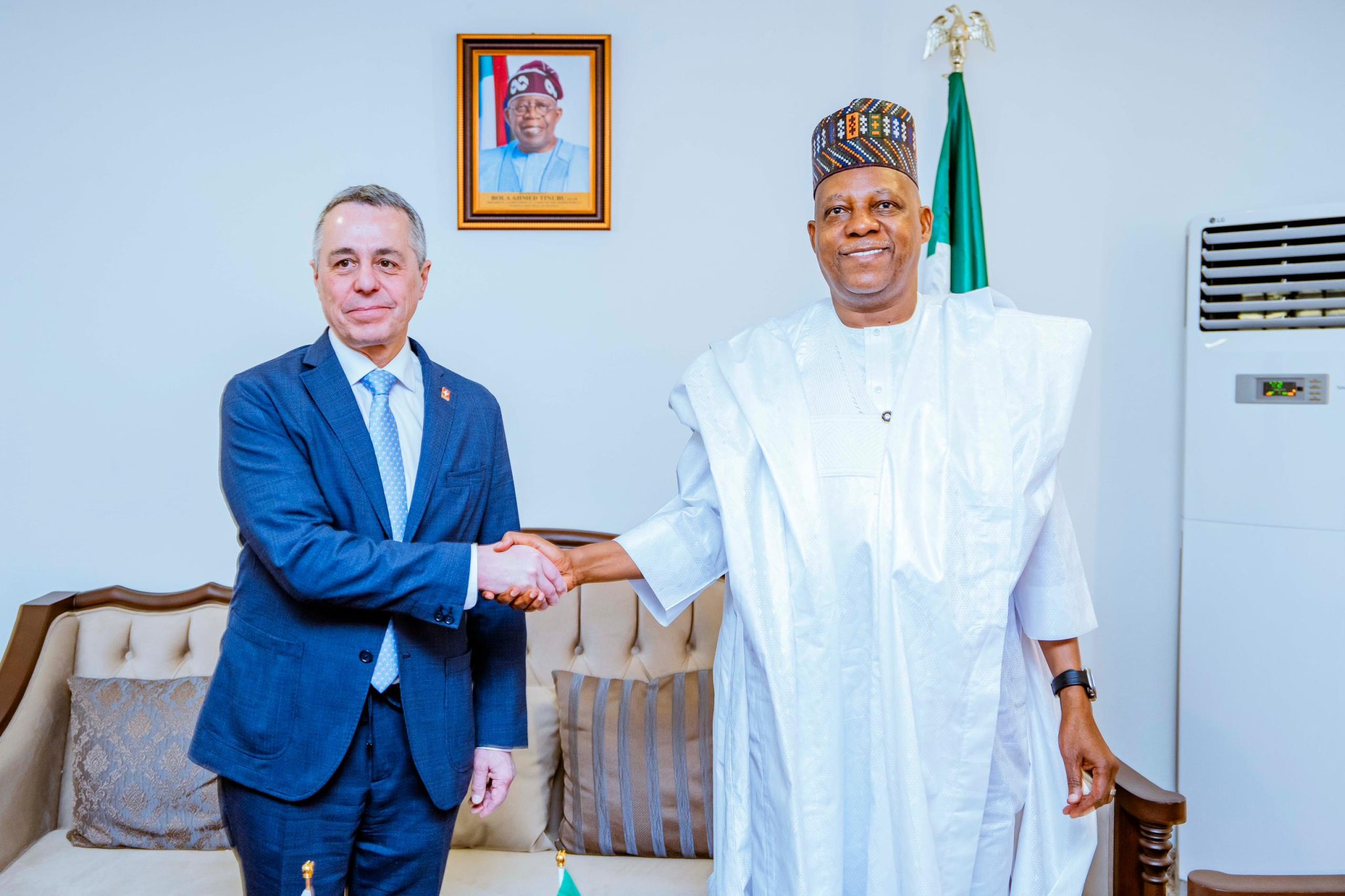
Switzerland has committed to returning a collection of Benin Bronzes and other looted artefacts to Nigeria, marking a significant victory for the Tinubu administration’s cultural diplomacy. The agreement was reached during a high-level meeting in Abuja on Tuesday between Vice President Kashim Shettima and his Swiss counterpart, Ignazio Cassis. Beyond the restitution of kingdom treasures, the two nations pledged to deepen cooperation across a “multi-faceted” spectrum, including a proposed free-trade agreement, migration management, and direct Swiss support for security operations in Nigeria’s North East.
The return of the bronzes signals a shift from symbolic gestures to formal state policy for Bern. Nigeria’s Foreign Minister, Ambassador Yusuf Tuggar, confirmed that the Swiss Minister of Culture is expected to visit Nigeria shortly to finalise the handover. This follows years of advocacy by the Nigerian government to recover historical assets currently housed in European museums and private collections. By securing this commitment, Abuja reinforces its position that cultural restitution is a prerequisite for modern diplomatic parity.
Economic interests dominated the closed-door talks, with both VPs exploring a potential free-trade agreement under the African Continental Free Trade Area (AfCFTA) framework. Vice President Cassis, who also serves as Switzerland’s Foreign Minister, is scheduled to visit Lagos to engage directly with the Nigerian private sector. Swiss companies already maintain a significant footprint in Nigeria, and Bern is now looking to expand vocational training programmes to ensure a steady supply of skilled local labour. This “Swiss model” of apprenticeship is seen as a key tool in tackling Nigeria’s chronic youth underemployment.
The security situation in the North East remains a focal point of Swiss humanitarian and diplomatic efforts. Switzerland has pledged to assist in addressing the regional conflicts that have displaced millions, offering expertise in peacebuilding and human rights. This involvement is particularly strategic given Switzerland’s neutral status and its history of mediation in complex international disputes. The collaboration aims to create “peaceful living conditions” through a mixture of direct aid and the economic integration of traumatised communities.
Migration remains a recurring theme in the Nigeria-Switzerland dialogue, with both nations agreeing to annual reviews of their cooperation in this sensitive area. While details were sparse, the focus remains on managed migration and addressing the “push factors” that drive irregular movement. Switzerland’s appreciation for Nigeria’s prominent role at the World Economic Forum in Davos, underscored by the commissioning of “Nigeria House” this year, suggests that Bern views Abuja as its primary strategic partner in West Africa.
This diplomatic reset, rooted in a relationship dating back to 1961, suggests a move toward more transactional and results-oriented diplomacy. For Nigeria, the combination of recovered heritage and new trade concessions offers a rare double win. For Switzerland, deepening ties with Africa’s most populous nation provides a hedge against shifting global trade alliances. As the Swiss delegation moves to Lagos, the focus now shifts from high-level communiqués to the practicalities of shipping bronzes and signing trade deals.