
Edun Sounds Alarm Over $88bn Yearly Loot
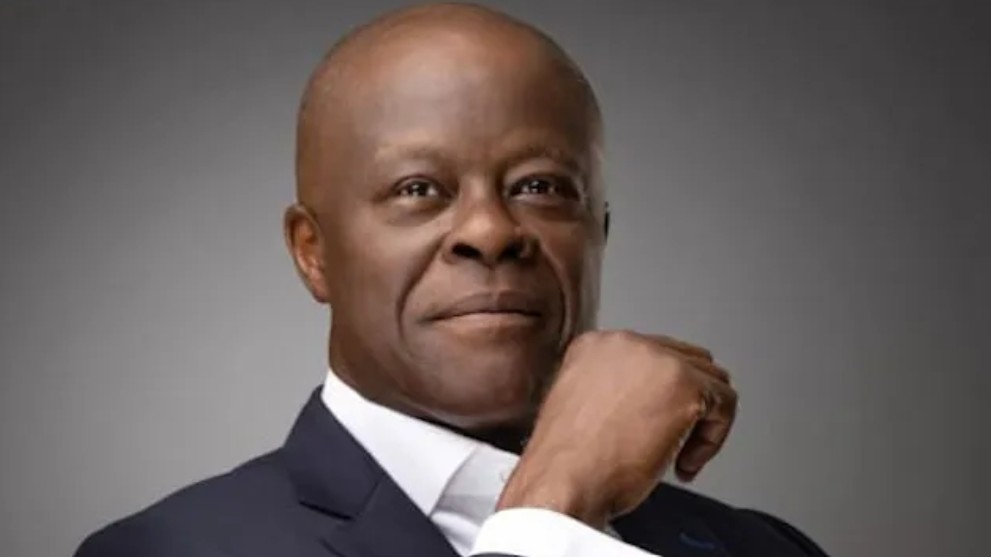
Africa loses $88 billion to illicit financial flows every year. Wale Edun, Nigeria’s Finance Minister, laid out this grim arithmetic at an African Union tax summit in Abuja. These vanished billions represent a direct theft from the continent’s schools, hospitals, and power grids. The minister argues that Africa can no longer beg or borrow its way to prosperity. Dependence on external aid and volatile debt markets has proven to be a dead end.
The scale of the drain dwarfs the foreign investment entering many African nations. Edun identifies tax evasion and base erosion as the primary culprits behind this capital flight. Multinational firms often shift profits to lower-tax jurisdictions, leaving local treasuries empty. This practice saps the strength of domestic institutions and forces a reliance on expensive foreign loans. Addressing these leakages is now a matter of survival rather than a policy choice.
Domestic resource mobilisation must become the new bedrock of African finance. The African Union aims to fund 90% of its development needs from internal sources by 2063. This target requires a move away from the “uncertain” nature of external financing. Relying on the whims of global donors leaves the continent vulnerable to shocks beyond its control. Systematic reform, not incremental change, is the only way to break this cycle.
Broadening the tax base is the first step toward fiscal independence. Governments must improve compliance and seal the cracks that allow revenue to seep out of the system. Stronger public financial management and digital infrastructure will help track money as it moves across borders. The minister also called for a shift toward more sophisticated capital markets. By encouraging local savings, Africa can find the investment capital it currently seeks abroad.
Corruption and weak enforcement remain the greatest hurdles to these goals. Zacch Adedeji, head of the Nigeria Revenue Service, noted that the financing gap for development is widening. As climate change and industrialisation needs mount, the cost of inaction grows. Aggressive tax avoidance by corporations has become a sophisticated barrier to national growth. Only through cross-border cooperation can African states hope to catch those hiding assets overseas.
The path to 2063 demands a total overhaul of how Africa manages its wealth. Natural resources must yield better returns for the citizens who live atop them. This requires not just better laws, but the political will to enforce them. Accountability and citizen engagement are the final pieces of the puzzle. Without them, even the most robust tax system will fail to earn the public trust.