
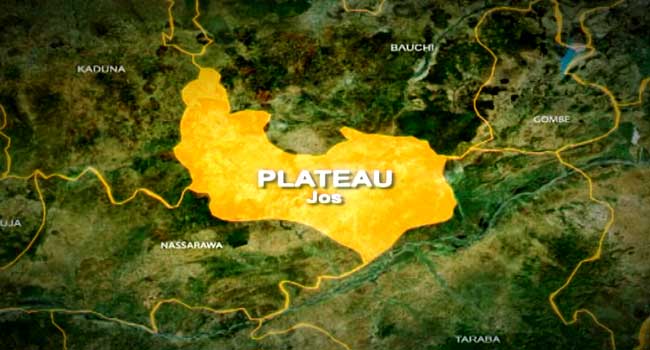
Fresh violence erupted in Jos on Wednesday, barely hours after the Plateau State government relaxed a 48-hour curfew. Sporadic clashes broke out across several districts, shattering the brief window of “relative calm” promised by the authorities. Panic-stricken traders, who had only just reopened their stalls for the 7:00 a.m. to 3:00 p.m. business window, were forced to flee as chaos returned to the streets. Unconfirmed reports suggest new casualties have occurred, though security agencies are yet to verify the toll. This swift descent back into disorder highlights the extreme fragility of the peace in the state capital.
The initial curfew followed a brutal massacre on Sunday night in the Angwan Rukuba community. Gunmen on motorcycles reportedly stormed the area under the cover of a power outage, killing at least 28 people. Witnesses described a “rapid-fire” assault on a busy market junction that left the community in shock. The attack targeted a densely populated area, prompting the University of Jos to suspend all examinations. In the aftermath, angry residents took to the streets, clashing with security forces and accusing them of a slow response.
Governor Caleb Mutfwang attempted to project strength in a statewide broadcast on Tuesday evening. He declared that Plateau State would not “bow to terror” and promised that the government would bear the medical costs of the survivors. Despite his defiant tone, the reality on the ground has quickly outpaced official rhetoric. The decision to ease the movement restrictions appears, in hindsight, to have been premature. Security presence is now being surged back into the troubled zones as the state struggles to regain control.
The Angwan Rukuba killings are part of a wider, more lethal trend across the state. Only weeks ago, bandits ambushed a joint patrol team in the Kanam Local Government Area, killing 20 security personnel and vigilantes. These recurring ambushes suggest that armed groups are operating with increasing boldness and coordination. The state’s rural fringes have long been volatile, but the shift of high-casualty attacks into the Jos metropolis signals a dangerous escalation. Security agencies seem perpetually reactive, chasing ghosts after the blood has already been spilled.
Public frustration is reaching a boiling point. During Monday’s protests, residents openly chased security operatives, claiming the curfew was a “non-solution” to deep-seated insecurity. Many believe the state is failing in its primary duty to protect life and property. The fact that attackers can invade a city market in “military khaki” and escape undetected suggests a total breakdown in intelligence. This trust deficit between the people and the state is perhaps the most difficult wound to heal.
The coming days will be a critical test for the Mutfwang administration. If the government cannot secure the state capital, its authority in the more remote local governments will continue to erode. For now, Jos remains a city on edge, trapped between the threat of the next motorcycle-borne raid and the heavy-handedness of a curfew. Stability remains a distant prospect as long as the “kingpins” behind these coordinated strikes remain at large. The 3:00 p.m. deadline for movement has now become a race for survival rather than a return to normalcy.