

Britain Convenes 35 Nations to Reopen Strait of Hormuz
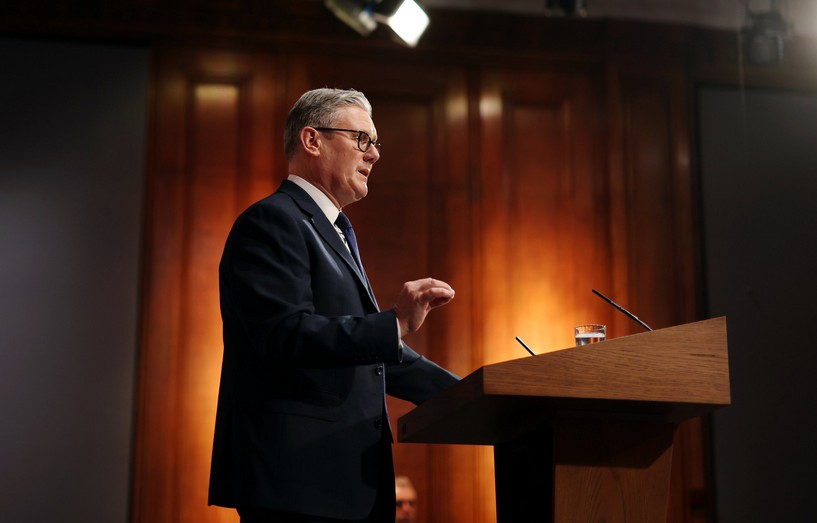
The United Kingdom will host an emergency summit of 35 nations on Thursday to address the paralysis of the Strait of Hormuz. Prime Minister Keir Starmer announced the virtual talks as the US-Israeli conflict with Iran effectively chokes the world’s most vital energy artery. Foreign Minister Yvette Cooper will lead the session to weigh diplomatic and political lifelines for the waterway, which has been shut for months due to sustained hostilities. Global energy prices have soared as a fifth of the world’s oil and liquefied natural gas remains trapped behind a wall of fire.
Starmer was blunt about the prospects for a quick resolution, warning that reopening the strait “will not be easy.” The immediate priority is the safety of seafarers and the recovery of vessels currently stranded in the Gulf. Following the diplomatic phase, British military planners will coordinate with allies to assess the hardware required to secure the passage once the fighting stops. This multi-stage approach suggests that London is preparing for a long, resource-intensive policing operation in the Middle East.
The crisis has already forced several nations to tap into their strategic oil reserves to prevent a total economic freeze. Traditional European powers, including France, Germany, and Italy, have joined Japan and the Netherlands in signing a pledge to ensure safe passage. However, the coalition remains fragile and lacks a clear mandate for direct military intervention while active combat persists. For these nations, the “diplomatic measures” under discussion are a desperate attempt to lower the temperature before domestic energy grids fail.
The diplomatic effort faces a scathing headwind from Washington, where President Donald Trump has accused Europe of cowardice. In a characteristic outburst on Truth Social, Trump told the UK and its allies to “go get your own oil” and stop relying on American muscle. He claimed that since Iran has been “essentially decimated,” the Europeans should have the courage to “just take” the strait. This isolationist pivot signals a historic shift in the Transatlantic alliance, leaving London to lead a coalition that the White House has openly abandoned.
The “humanitarian” gesture Trump extended to Russia-Cuba oil shipments earlier this week clearly does not apply to his European allies. By telling the UK to buy American fuel or fight its own battles, Trump is leveraging the energy crisis to reshape global loyalties. The UK now finds itself in the uncomfortable position of trying to marshal a 35-nation fleet without the backbone of the US Navy. This vacuum of American leadership has turned a regional shipping crisis into a fundamental test of European sovereign capability.
The outcome of Thursday’s meeting will dictate whether the global economy can avoid a prolonged depression. If the 35 nations fail to agree on a credible security framework, the Strait of Hormuz may remain a graveyard for tankers for the foreseeable future. Starmer’s “leveling with the people” indicates that the British public should prepare for sustained high costs and potential rationing. The hard part, despite Trump’s claims, appears only to have just begun for the rest of the world.