


Cooking Gas Prices Surge as Middle East Crisis Pinches
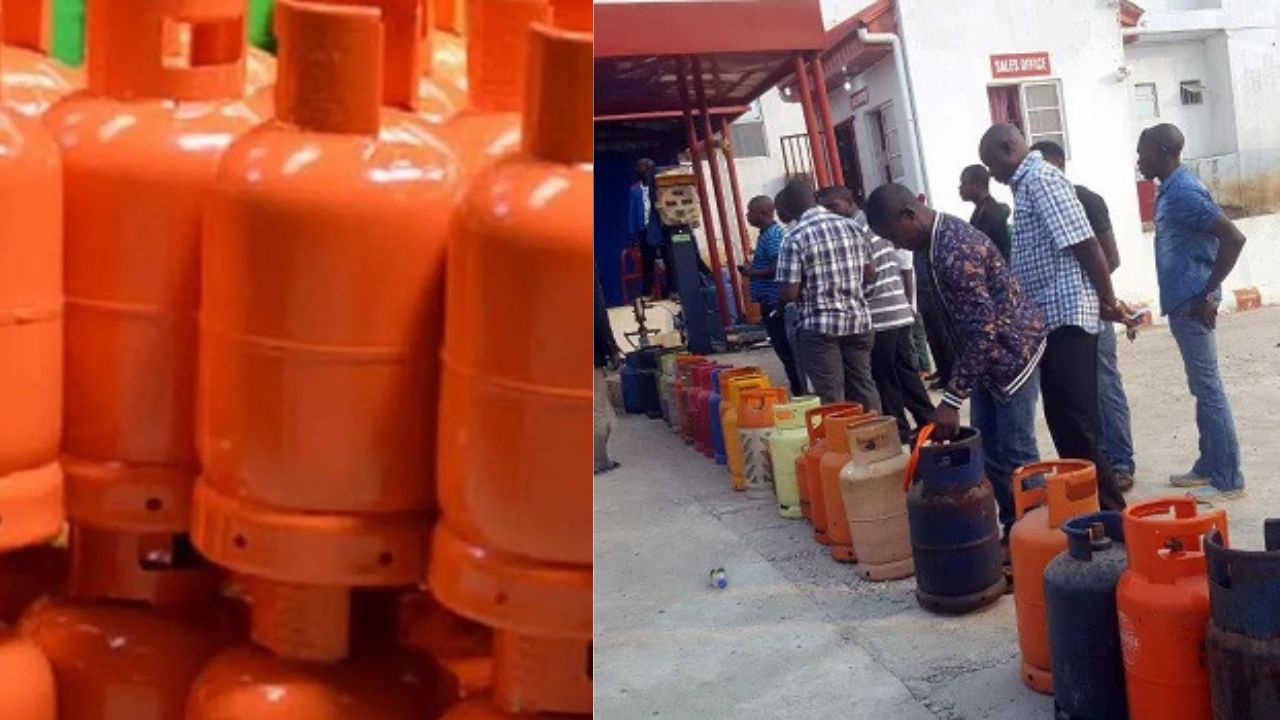
Nigerian households face a fresh economic squeeze as the price of Liquefied Petroleum Gas (LPG) jumped 14.3% this month. A kilogramme of cooking gas now retails for N1,500 in many locations, up from N1,300 just weeks ago. This retail spike mirrors a sharp rise in the wholesale market, where the ex-depot price for 20 metric tonnes climbed to N21 million. Industry leaders warn that the hike has crippled the purchasing power of ordinary citizens. Many consumers are now abandoning gas plants for cheaper, traditional energy sources.
The Nigerian Association of Liquefied Petroleum Gas Marketers attributes this volatility primarily to the widening conflict in the Middle East. Global disruptions in oil production have sent shockwaves through the petroleum supply chain, affecting both gas and fuel. Major depots, including Rainoil, Nipco, and Mobil, have adjusted their prices upward to reflect these international pressures. Even domestic supply from the Dangote refinery remains insufficient to stem the tide. While the refinery offers lower rates to off-takers, limited crude oil allocations have restricted its output.
Supply constraints at the Dangote refinery highlight a persistent bottleneck in Nigeria’s energy security. The facility currently receives less than half of its required crude oil allocation from domestic sources, forcing it to import raw materials. These high import costs, coupled with the profit margins added by off-takers, ensure that the final price remains high for local marketers. Without a steady supply of local crude, the refinery cannot exert the downward pressure on prices that many had hoped for. The reliance on expensive imports leaves the market at the mercy of global geopolitical shifts.
Market activity has slowed significantly as gas plants record dismal sales figures. For many Nigerian families, the cost of a full 12.5kg cylinder has now become a luxury. The National President of the marketers’ association, Inyang Edu, noted that the drop in demand is a direct consequence of the N21 million depot price. Smaller dealers are finding it increasingly difficult to stock their plants as the capital required for a single truckload continues to soar. This liquidity crunch for marketers often translates into even higher prices for the end-user.
Energy analysts worry that the trend will persist as long as international tensions remain high. The disruption of shipping lanes and production hubs in the Persian Gulf continues to drive up the cost of petroleum derivatives. Domestically, the lack of a robust intervention to secure crude for local refineries keeps the country tethered to global price swings. For the average Nigerian kitchen, the transition to cleaner energy has hit a significant and expensive roadblock. Until local production stabilises or global tensions ease, the price of a hot meal will continue to rise.