

Political Leaders Urge Sacrifice and Unity
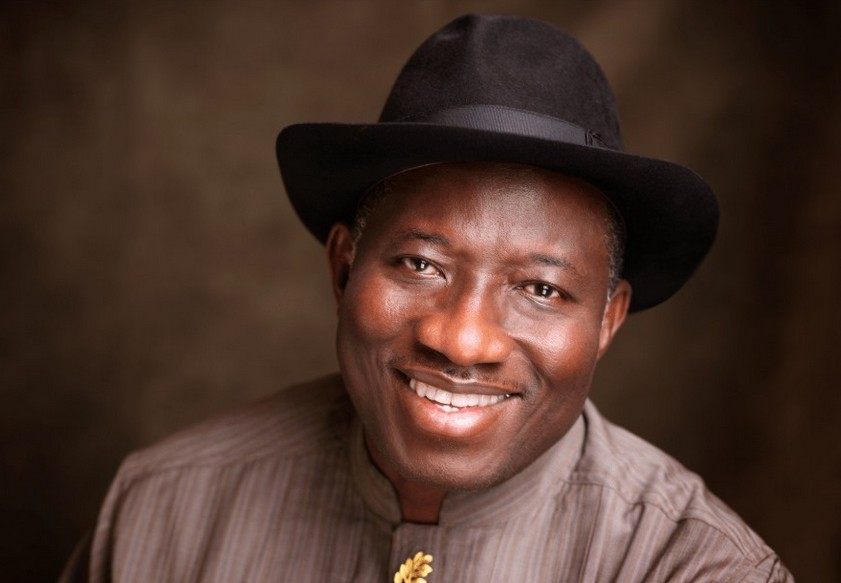
Former President Goodluck Jonathan led a chorus of Nigerian leaders this Easter, calling for selflessness and a retreat from narrow personal interests. In a series of official messages, Mr Jonathan, alongside the Minister of Housing and several state governors, urged a weary public to draw inspiration from the themes of sacrifice and renewal. The appeals for “national healing” arrive at a particularly grim moment. The weekend has been marred by a series of lethal communal clashes and targeted attacks on churches in the north.
Mr Jonathan’s address was pointedly directed at the country’s political class. He argued that true leadership demands a level of humility and service that currently appears in short supply. “Easter speaks to us about faith, sacrifice, and service,” he noted, describing these as the essential glue for a fracturing nation. His call for leaders to live above their “personal interests” reflects a growing concern over the disconnect between the state and its citizens. Despite the current economic and security hardships, the former president maintained a tone of cautious optimism.
In Abuja, the Minister of Housing and Urban Development, Ahmed Dangiwa, echoed these sentiments, linking the spiritual season to the government’s developmental goals. He framed the values of love and resilience as prerequisites for national prosperity and inclusive growth. For Mr Dangiwa, the “renewal” of Easter should manifest in tangible improvements, specifically in expanding access to decent housing for the poor. It is an ambitious attempt to translate theological virtues into administrative policy.
The messages from the governors of Plateau, Kogi, and Anambra carried a more sombre weight, given the recent violence in their regions. Governor Caleb Mutfwang of Plateau State specifically called for prayers for healing following the “hooded” attacks in Jos that left over 20 dead. He urged citizens to uphold “collective responsibility” rather than sliding into the anarchy of reprisal. Mutfwang’s plea for peace is a direct response to the rising anger among his constituents, many of whom feel the state has failed them.
Governor Ahmed Ododo of Kogi and Governor Chukwuma Soludo of Anambra focused on the themes of reconciliation and support for the less privileged. Mr Ododo reaffirmed his administration’s commitment to security, while Mr Soludo described the holiday as a symbol of “victory over adversity.” Both men encouraged residents to prioritise the collective good, a recurring trope in Nigerian political rhetoric. However, the recurring nature of these appeals suggests that “peaceful coexistence” remains an elusive target rather than a settled reality.
The collective message from Nigeria’s leadership is one of resilience in the face of persistent trauma. While the rhetoric of unity is standard for the season, its delivery against a backdrop of church massacres and communal fires gives it a desperate urgency. Leaders are asking for faith, but the public is increasingly demanding protection. Whether these appeals for “selflessness” can bridge the gap between a grieving populace and a struggling government remains the season’s unanswered question.