
Nigeria Hunts for Cheaper Credit as Middle East Tensions Burn
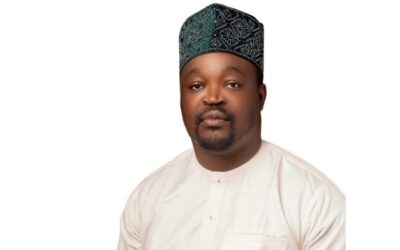
The Federal Government will use this week’s IMF and World Bank Spring Meetings in Washington, DC, to lobby for lower borrowing costs and fairer global financial terms. This diplomatic push comes as the escalating US–Israel–Iran conflict disrupts energy markets and tightens capital flows to emerging economies. Finance Minister Wale Edun aims to convince global lenders that Nigeria’s domestic reforms deserve the reward of cheaper credit to offset these external shocks.
Geopolitical instability has sent Bonny Light crude prices soaring from $70 to over $110 per barrel. While high prices typically bolster the treasury, the benefits are currently being swallowed by a surge in domestic costs. Petrol prices have jumped 50 per cent to as high as N1,330, while diesel has climbed 70 per cent. These spikes act as a direct tax on Nigerian households and businesses, complicating the government’s efforts to lower inflation.
The crisis hits Nigeria through three primary channels: energy prices, weakening capital flows, and rising logistics costs. As global risks mount, international investors are retreating to “safe-haven” assets like the US Dollar, reducing the flow of foreign investment into Nigeria. Simultaneously, disruptions to global shipping routes are driving up freight charges, ensuring that imported inflation remains a persistent threat to the local economy.
Despite the gloom, the Ministry of Finance insists Nigeria is better prepared for this shock than it was for the pandemic or the war in Ukraine. Officials point to the liberalisation of the foreign exchange market and the removal of subsidies as evidence of a more resilient macroeconomic foundation. Oil production has also improved to 1.86 million barrels per day, providing a much-needed buffer against the tightening global financial environment.
In Washington, the Nigerian delegation will focus on demonstrating policy credibility to rating agencies and private investors. The government is leaning on its recent reclassification as a “Frontier Market” by FTSE Russell to argue that investor confidence is returning. The goal is to move beyond mere stabilisation toward a strategy that unlocks private capital for job-rich growth.
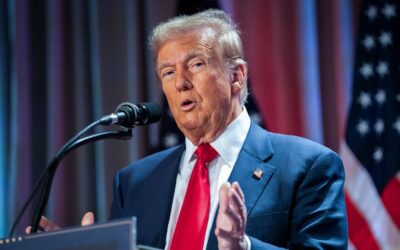
The timing is delicate. With Donald Trump announcing a blockade of the Strait of Hormuz, the threat to global energy supplies has moved from theoretical to immediate. Nigeria’s “Naira-for-crude” initiative is being touted as a local shield against these global winds, but its success depends on the very stability the government is now traveling to Washington to secure.