
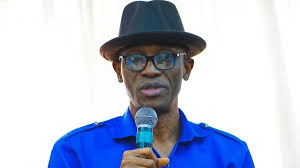
Atiku Blames Tinubu Policies For Rising Hardship
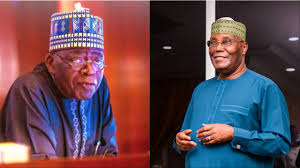
Former Vice President Atiku Abubakar has launched a sharp critique of President Bola Tinubu’s economic policies, accusing the administration of presiding over what he described as “privatisation without accountability” while ordinary Nigerians endure worsening living conditions.
In a statement issued Friday by his Senior Special Assistant on Public Communication, Phrank Shaibu, the African Democratic Congress chieftain faulted the President’s recent remarks on economic reforms, labelling them a “reckless tirade” that betrays “a troubling pattern of hypocrisy and historical amnesia.”
“Across the country, families are skipping meals, businesses are shutting their doors, and hardworking citizens are watching their incomes evaporate under the weight of relentless inflation and a collapsing purchasing power,” the statement read. “The cost of living has become unbearable, insecurity continues to stalk communities, and hope is steadily giving way to despair.”
Atiku argued that policies marketed as reforms have translated into “hardship without relief—policies that bite harder each day while offering no clear path to recovery.”
The former Vice President, who supervised Nigeria’s privatisation programme between 1999 and 2007, defended his record by citing companies that emerged from the exercise. He listed Oando Plc (formerly Unipetrol), Conoil Plc, African Petroleum (now Ardova Plc), Indorama Eleme Petrochemicals, Benue Cement Company, and Transcorp Hilton Abuja as evidence of “policies that unlocked value and revived struggling state enterprises.”
The statement contrasted this record with the current administration’s handling of the Nigerian National Petroleum Corporation. “The current administration is now presiding over a commercialisation of the national oil company in opacity—without clear valuation, without transparency, and with lingering questions about who truly benefits,” it declared.
Atiku further criticised what he portrayed as the President’s unfamiliarity with documented reform history, stating: “It is not our fault that the President does not and can not read, because Bola Tinubu has a history of attending a school in Lagos two years before it was founded, upon which he claimed his crooked Chicago State University degree.”
The statement suggested that if properly educated, Tinubu would have consulted “the privatisation records in the presidency or the painstaking account of these reforms as captured by Mallam Nasir El-Rufai in The Accidental Public Servant.”
The former Vice President characterised the President’s tone as “playground ridicule” reflecting a leadership “more comfortable with insults than with facts.”