
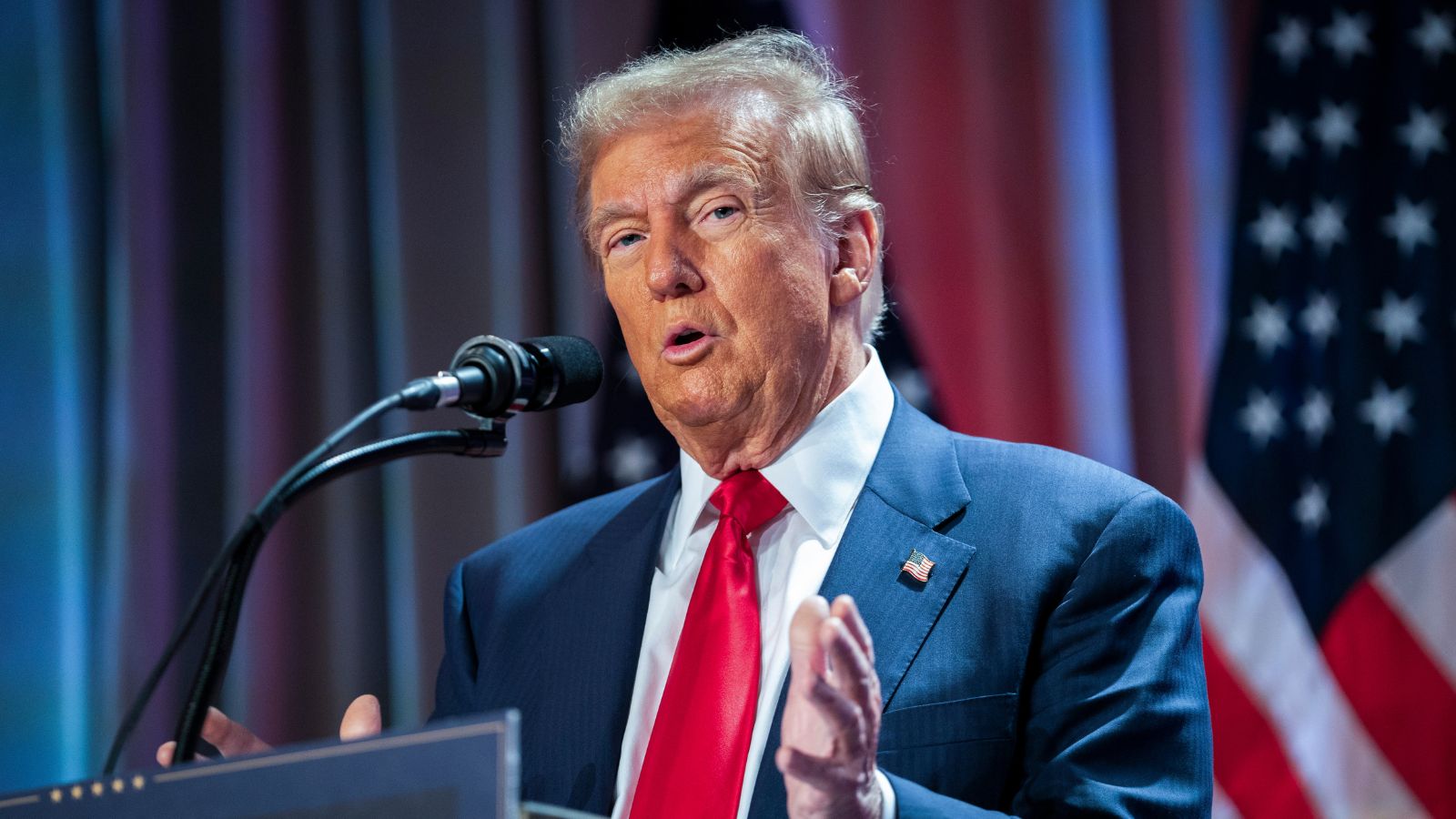
President Donald Trump confirmed the United States will maintain a naval blockade of Iranian ports until a permanent peace deal ends the current conflict. The ceasefire, which enabled Iran to reopen the Strait of Hormuz on Friday, faces a critical expiration this Wednesday. Mr. Trump told reporters aboard Air Force One that he might choose not to extend the truce. Washington’s strategy hinges on sustained pressure to force concessions from Tehran. The blockade remains the primary lever in these high-stakes negotiations.
Despite the firm rhetoric, the White House maintains a veneer of optimism regarding a final agreement. Mr. Trump insists a deal will eventually happen. Talks in Pakistan previously stalled over fundamental disagreements. The United States demands the transfer of Iran’s enriched uranium stockpile to American soil. Tehran explicitly rejected this proposal, stating their nuclear material will stay within its borders.
The status of the Strait of Hormuz remains a precarious bargaining chip. Iran warned it would shut the waterway again if the American blockade persists. Conversely, Mr. Trump publicly ruled out any Iranian imposition of tolls on commercial vessels passing through the Strait. He also noted that China’s President, Xi Jinping, welcomed the temporary reopening of this vital artery. These competing interests set the stage for a critical summit in Beijing this May.
Negotiations face a shrinking window of time. With the ceasefire due to end in less than five days, both sides must navigate a narrowing path. The blockade functions as a strategic containment, yet it complicates the flow of global energy supplies. Markets remain jittery as the deadline for the truce approaches. Any failure to secure a deal by Wednesday threatens to reignite global supply chain volatility.