
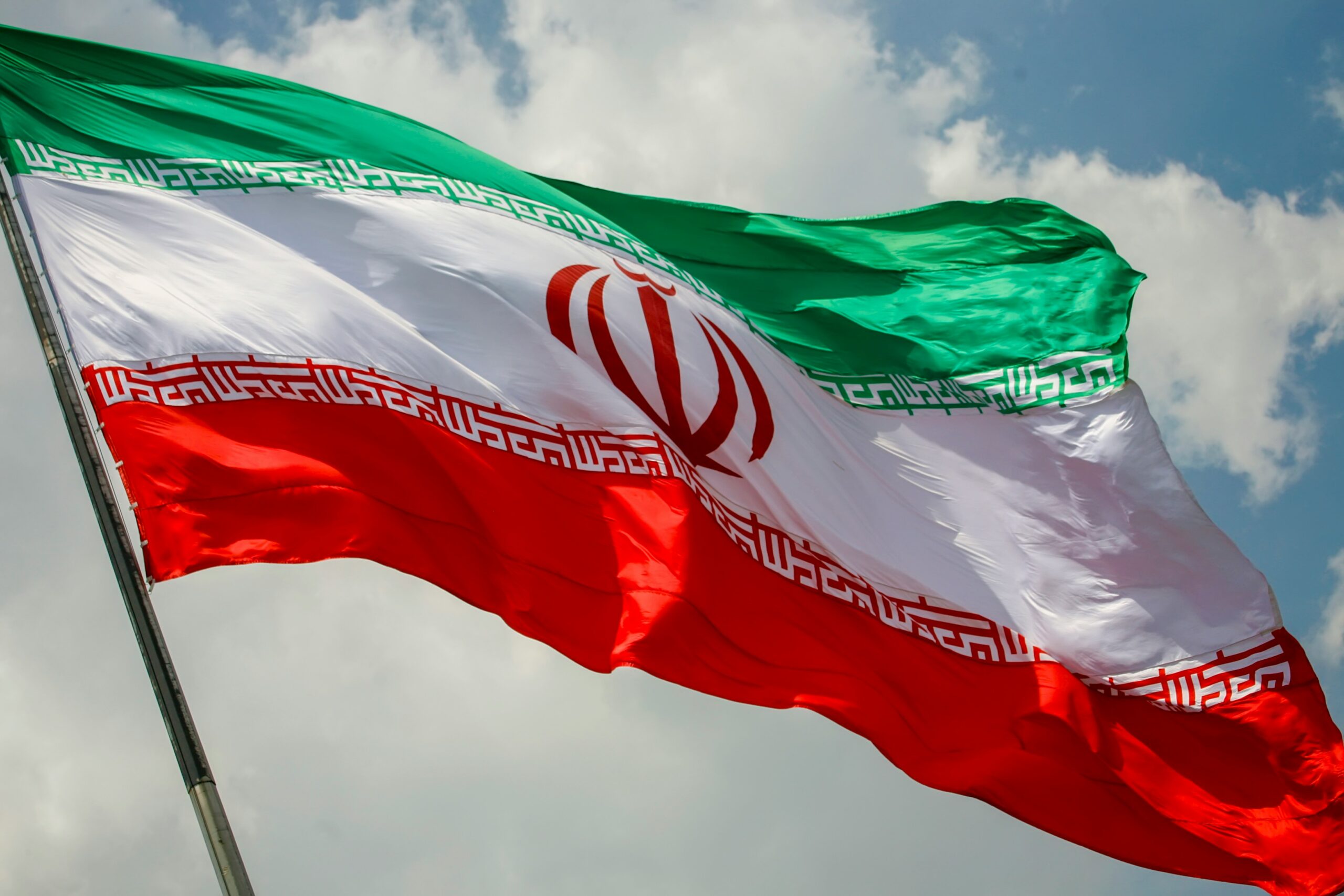
Global oil prices tumbled on Friday after Iran declared the Strait of Hormuz open to commercial shipping. The cost of Brent crude dropped to $88 a barrel from a peak of $98 earlier in the day. Markets reacted with optimism as the bottleneck for one fifth of the world’s oil supply appeared to loosen. This narrow waterway acts as the primary artery for global energy transit. Its closure following military strikes in February crippled supply lines. Producers and consumers now hope this move signals a broader de-escalation.
President Donald Trump welcomed the announcement as a strategic win. He claimed Iran pledged to never use the waterway as a weapon again. Yet the President confirmed the naval blockade of Iran stays in force. This dual approach leaves shipping firms in a precarious position. Diplomatic gestures remain distinct from military realities on the ground. Washington expects full compliance while maintaining immense pressure on Tehran.
Maritime experts remain far more cautious than political leaders. The international shipping body BIMCO warned operators that the area remains dangerous. It cited unclear threats from sea mines within the traffic lanes. Many firms plan to keep vessels clear of the region for now. No company wants to be the first to test the safety of these waters. Risk management currently outweighs the potential for profit.
The closure of the Strait caused global shocks beyond simple fuel costs. It severely restricted the supply of vital chemicals for fertiliser production. Farmers now face the grim reality of rising food prices. Airlines also braced for groundings as jet fuel supplies dwindled. Short-term price dips at the petrol pump provide little relief for these broader structural strains. Markets take time to heal from such deep wounds.
Supply chains require months to return to normal operations. Even with the current ceasefire, analysts predict continued instability. The nine-day window for the truce offers little time for tankers to load and exit safely. Shipping operators view the current lull as a narrow chance to rescue trapped vessels. Pre-war norms remain a distant prospect for the industry. Persistent uncertainty forces traders to keep premiums high.
The United States simultaneously extended a sanction waiver on Russian oil to bolster global supply. The Treasury Department will allow sales of products already at sea until 16 May. This move exposes the tension between energy security and geopolitical goals. Critics argue it softens the blow on Moscow’s war chest. Washington seems more concerned with cooling pump prices before the next major policy pivot. Pragmatism dictates this reluctant shift in sanctions.