


Oil Prices Surge as Iran Re-closes Strait of Hormuz
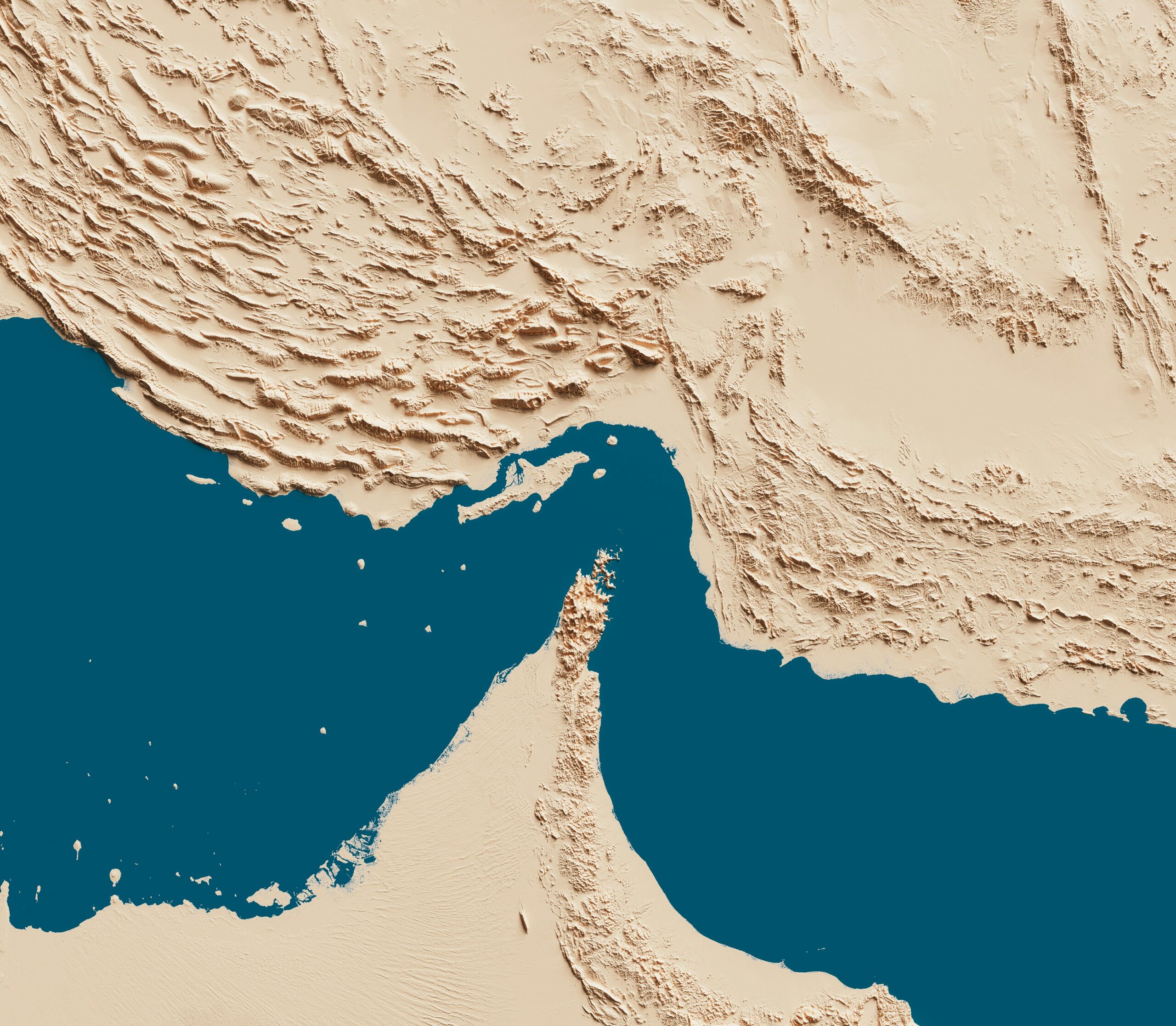
Oil prices spiked on Monday after Iran closed the Strait of Hormuz, reversing a brief reopening of the vital waterway. This escalation follows a US-led blockade of Iranian ports and the seizure of an Iranian vessel by an American destroyer. Tehran now threatens to target any ship attempting to bypass its restrictions. The move casts a long shadow over ongoing peace efforts. Markets are reacting to the renewed risk of conflict.
President Donald Trump recently claimed that a deal with Tehran stood within reach. Iranian officials quickly countered this, stating they have no plans to attend the upcoming talks in Pakistan. They maintain that lifting the US blockade remains a firm precondition for any negotiation. Meanwhile, Tehran’s Revolutionary Guards have declared the waterway a no-go zone. Tensions remain at a boiling point.
Despite the volatility in energy markets, global equities staged a rally. Investors appear to be looking past the immediate military friction. Tech stocks in Tokyo, Seoul, and Taipei led the gains, echoing pre-war momentum. The dollar also strengthened as traders recalibrated their expectations for diplomatic progress. Markets seem to treat the current escalation as a high-stakes bargaining tactic.
The Strait of Hormuz carries roughly one-fifth of the world’s oil and liquefied natural gas. Any obstruction here forces an immediate global price hike. Traders now struggle to gauge the durability of the current ceasefire. Without a formal agreement on Iran’s nuclear programme, the peace remains profoundly fragile. Sudden shifts in sentiment will likely define the trading week.
The gap between diplomatic rhetoric and battlefield reality remains wide. While Trump calls for a fair deal, his threats against Iranian infrastructure persist. Iran, in turn, refuses to relocate its enriched uranium stockpile. Investors should expect a non-linear path to any potential resolution. Caution is the only prudent stance for energy participants today.