

80% of Female Businesses Lack Access to Credit – FG
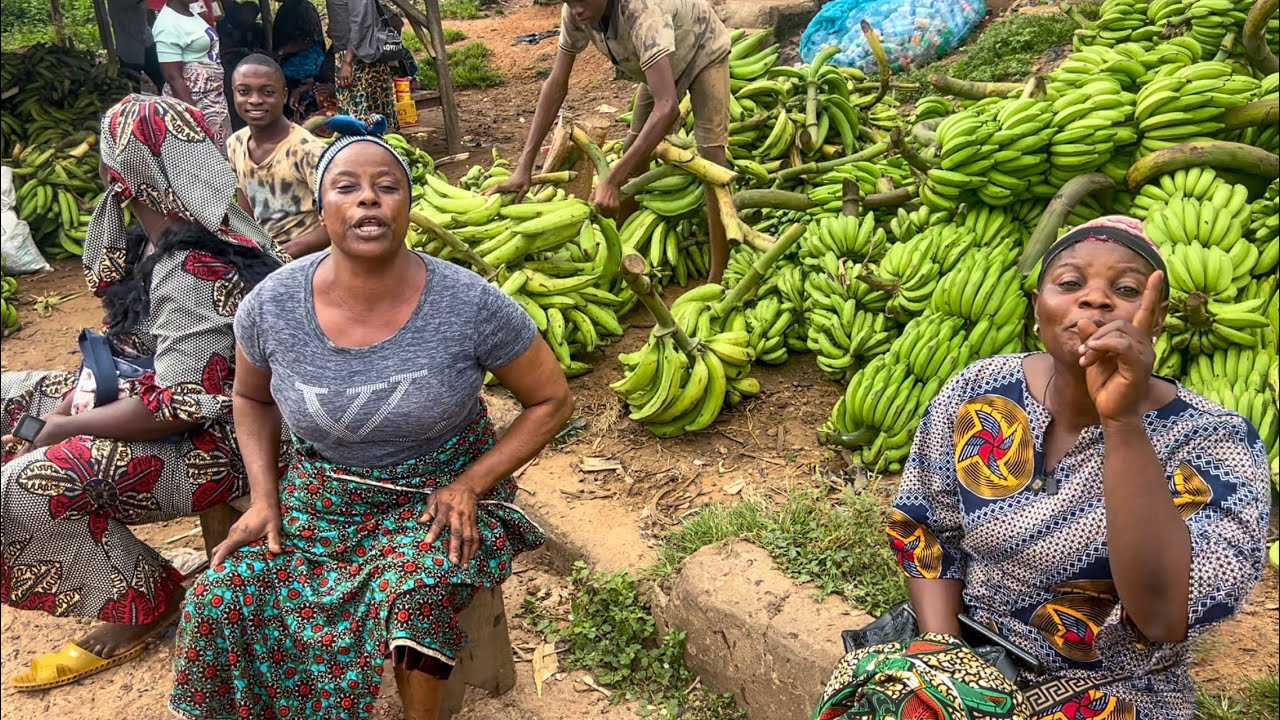
Nigeria’s economic ambition remains tethered to a significant failure in financial inclusion. New data reveals that 80 per cent of businesses owned by women operate entirely without access to formal credit. While women constitute over half of the population and provide 40 per cent of the nation’s agricultural labour, they remain sidelined from the institutional capital needed to scale operations. Most of these enterprises languish in the informal sector, unable to bridge the gap between small-scale income and sustainable growth.
The Securities and Exchange Commission (SEC) highlights a stark irony in this data. Nigerian women own roughly 23 million micro-businesses, accounting for 41 per cent of the total. Yet, they remain largely invisible within the capital market. Financial inclusion rates for women reached 70 per cent in 2023, but the gender gap is actually widening. The broader population is moving forward while female entrepreneurs struggle to secure the tools for long-term wealth creation.
Access to credit is the primary barrier to the professionalisation of these businesses. The SEC warns that without integration into formal market instruments, these entrepreneurs are locked out of asset ownership. Currently, women hold only seven per cent of CEO positions in listed Nigerian companies. This data point is a damning indictment of the corporate culture currently defining the nation’s market leaders.
Regional disparities further complicate the picture. Women in northern Nigeria face the highest levels of exclusion, compounded by restricted access to land and structured economic opportunities. These barriers create a cycle of poverty that hampers the national goal of a one-trillion-dollar economy. Policy interventions must shift from broad financial inclusion to targeted access to capital. Generic solutions have failed to address these specific structural biases.
The “Give-to-Gain” summit underscored that integrating women into the capital market is not a matter of charity. It is a fundamental requirement for national economic arithmetic. The SEC is now calling for sustainable finance frameworks that explicitly prioritise women-led enterprises. Protecting these new investors is essential to building the trust required to move from informal trade to formal market participation.
The government must now translate these acknowledgments into concrete policy action. Merely identifying the gap is no longer enough to satisfy the demands of a stagnant market. If the state intends to leverage the economic potential of 23 million entrepreneurs, it must dismantle the gatekeeping mechanisms that keep capital in the hands of the few. Growth requires an inclusive playing field, not just empty rhetoric.