
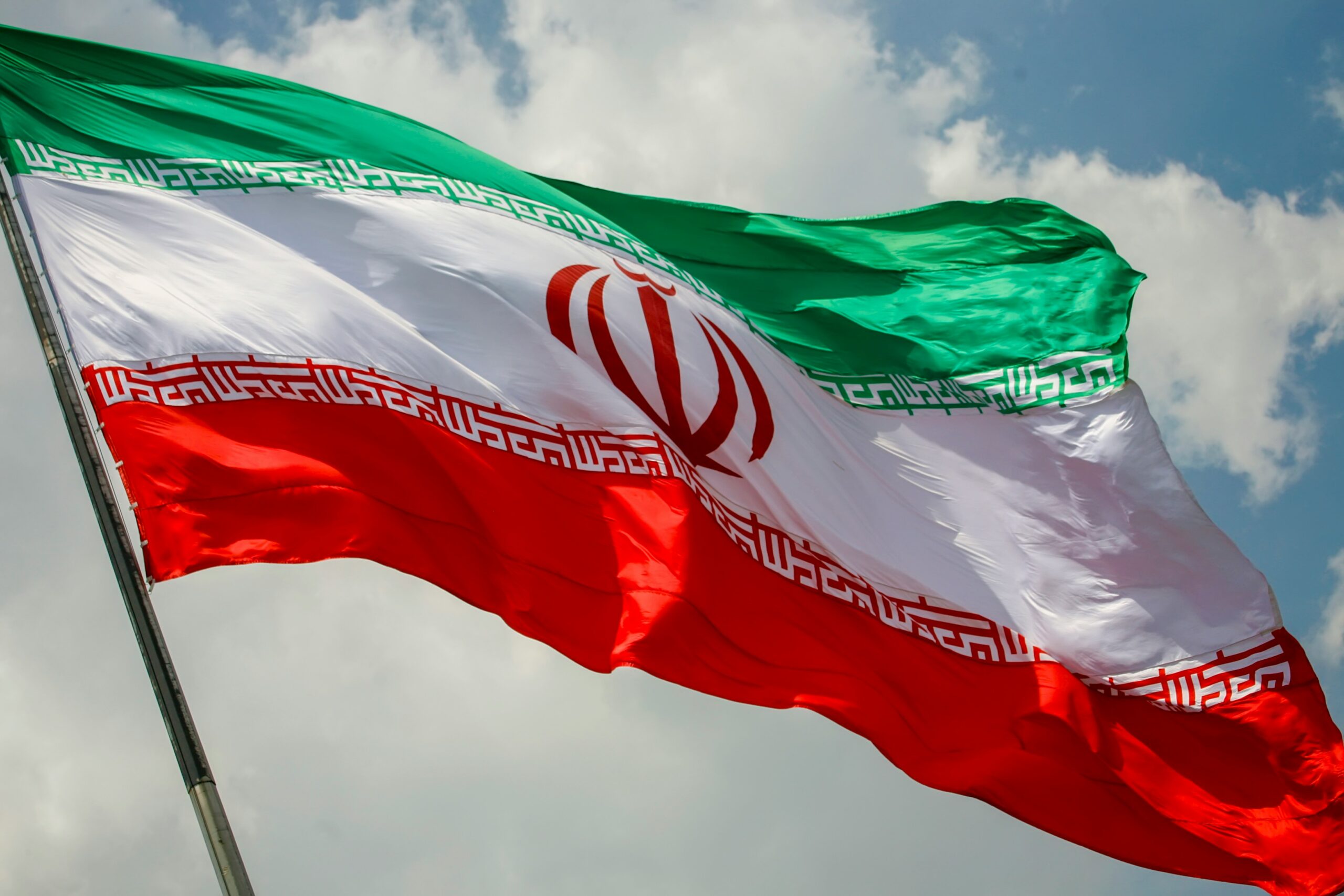
The Iranian rial has plummeted to a record low of 1.81 million to the US dollar as a tightening US naval blockade cripples the nation’s economy. While the currency saw a brief, minor recovery from its intraday trough, the trajectory remains catastrophic. Just one year ago, the rial traded at roughly 811,000 per dollar. This collapse follows the outbreak of the US-Israeli war on Iran in late February, which has severed critical trade routes and decimated domestic infrastructure.
Economic data reveal a state under extreme duress. Non-oil trade fell by 29 per cent in the final month of the Iranian calendar year, a sharp decline directly linked to the conflict. US and Israeli airstrikes have systematically targeted power stations, ports, and major industrial zones, including key steel and petrochemical facilities. These strikes aim to dismantle the country’s industrial base, leaving Tehran with dwindling options to sustain its economy.
The US military now maintains a significant presence in the region, using three aircraft carriers to enforce a blockade in the Strait of Hormuz. By inspecting merchant vessels and blacklisting refineries, particularly those in China, Washington is systematically throttling Tehran’s ability to export crude oil. China, previously the purchaser of roughly 90 per cent of Iran’s oil, has seen bilateral trade volumes drop by 80 per cent in March compared to the previous year.
Tehran’s response has been one of desperation and retrenchment. The government has diverted $1 billion from its sovereign wealth fund to secure food imports and has attempted to cut red tape for border provinces. Authorities also reintroduced a preferential, subsidised exchange rate in a bid to lower domestic prices, despite the high risk of systemic corruption. These measures represent a struggle to hold the line as domestic inflation continues to ravage household purchasing power.
The geopolitical isolation of Iran is deepening. The United Arab Emirates, once a primary trade conduit, has severed ties following missile and drone attacks, leaving Iran increasingly reliant on land routes through Turkey, Iraq, and Pakistan. US Treasury Secretary Scott Bessent has pledged to track and sever all remaining financial lifelines linked to the regime. With major ports and railway networks damaged, the capacity to move goods is severely constrained.
The prospect of further escalation looms large. With Israel signalling a readiness to restart hostilities and US troops massing in the region, the economic outlook is increasingly grim. Authorities are now managing a shrinking economy while attempting to maintain essential supplies amidst systemic bombardment. The promise of an open-market economy has been replaced by a wartime scramble for survival.