
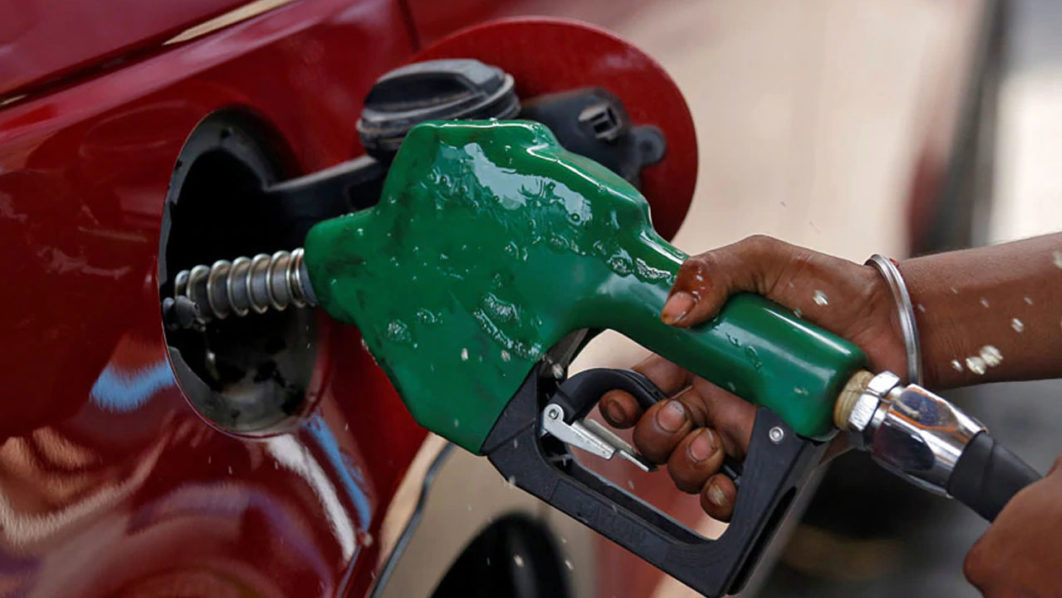
Nigerian petrol prices are climbing toward N1,400 per litre as a naval standoff in the Middle East chokes global supply. The failed ceasefire between the United States and Iran has kept the Strait of Hormuz closed, driving Brent crude from $105 to $118 per barrel in 48 hours. This volatility forced the Dangote Petroleum Refinery to raise its gantry price from N1,200 to N1,275 per litre on Wednesday. The refinery briefly halted supply invoices to adjust to these sudden market shifts.
Filling stations in Lagos and the South-West moved prices to N1,350 immediately. In northern states, the cost per litre has already touched the N1,400 mark. Residents in border communities face even harsher realities, with prices nearing N1,700 due to restricted supply. The price hike reflects a direct link to international benchmarks. Even with local refining, the cost of crude remains tied to global dollar rates.
The Nigerian National Petroleum Company (NNPC) is currently profiting from the chaos. It raised the official selling prices for all 37 Nigerian crude grades for May. Its flagship Bonny Light grade saw a price jump of over $6 per barrel. This creates a strange paradox for the federal government. While state coffers swell with oil windfalls, the domestic population suffers from record transport costs.
Washington shows no sign of easing its blockade of Iranian exports. US Treasury Secretary Scott Bessent claims the pressure is working and will continue until the Iranian oil industry collapses. This suggests that the maritime bottleneck in the Strait of Hormuz will remain for the foreseeable future. President Donald Trump has reportedly ordered aides to prepare for an extended blockade. This geopolitical gridlock ensures that global energy prices will stay elevated.
Local refiners are now calling for a break from international pricing models. They want the government to stop using the Brent benchmark for crude sold to domestic plants. They argue that pricing should reflect local costs rather than global war premiums. Economists suggest the government could fix a lower crude price for Dangote in exchange for stable pump prices. Without such a deal, the cost of living will continue to track the tides of the Middle East.
Nigeria’s dependence on global benchmarks makes it a spectator to its own inflation. The exit of the United Arab Emirates from OPEC has further destabilised the market. Retailers warn that petrol could soon exceed N1,500 if the conflict escalates. The government has remained silent on how it intends to use its extra oil revenue to help citizens. For now, the gains at the treasury are being paid for at the pump.