
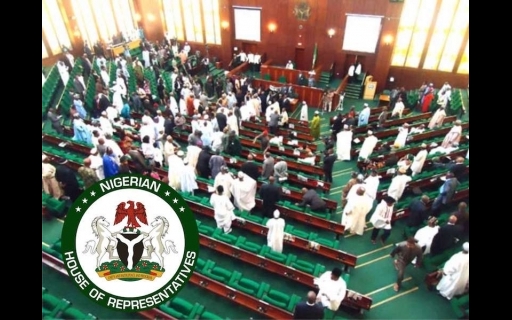
Nigeria wants to outlaw the habit of dumping development plans whenever a new president takes office. The House of Representatives passed a bill through its second reading on Wednesday to create a 50-year national economic framework. This law would bind future governments to a single set of goals from 2026 until 2076. Lawmakers believe a legal shield is the only way to stop the cycle of abandoned projects and policy shifts that haunt the federal budget. If it becomes law, the plan will force successive administrations to stick to the same script.
The sponsor of the bill, Amobi Ogah, noted that Nigeria has a talent for writing plans but a genius for failing them. Past efforts like Vision 2020 and the Economic Recovery and Growth Plan ended up as expensive dust collectors. This new legislation seeks to institutionalise continuity and coordination across all arms of government. It treats policy inconsistency as a structural defect that makes the country vulnerable to oil price swings. By making the plan legally binding, the House hopes to signal a new era of fiscal discipline.
Stability is the primary currency this bill intends to mint. A half-century roadmap allows the government to set clear fiscal priorities that do not shift with the political winds. This predictability is vital for winning back the trust of big investors who often fear that today’s incentives will vanish after the next election. Capital-intensive sectors like power and rail need decades of certainty to turn a profit. Without a long-term anchor, Nigeria remains a risky bet for those looking to sink billions into infrastructure.
Lawmakers look to neighbours like Rwanda and Botswana as proof that long-range planning works. Even the African Union has its Agenda 2063, a continental vision that Nigeria now wants to mirror at home. House Leader Julius Ihonvbere argued that this framework sits above the annual budget as a disciplinarian. It ensures that no matter which party holds power, the core trajectory of the nation remains unchanged. The goal is to move the economy away from its lazy reliance on crude oil.
History provides a somber backdrop to this legislative push. Some members recalled the era of General Yakubu Gowon, when national development plans actually drove visible growth. The rot set in when the country traded its agricultural backbone for easy oil money and short-term thinking. This bill aims to restore that lost rigour through strict monitoring and enforcement mechanisms. It requires all government institutions to align their activities with the 50-year goals or face legal consequences.
The bill now moves toward a third reading before heading to the Senate for its own review. If the executive signs off, it will trigger a massive restructuring of how Nigeria thinks about its future. Critics might wonder if a 50-year plan is too rigid for a fast-changing world. However, the House believes that any plan is better than the current chaos of starting from scratch every four years. Success will depend on whether the law can actually survive the very political meddling it seeks to cure.