


Petrol Price Hike Triggers Fresh Economic Hardship
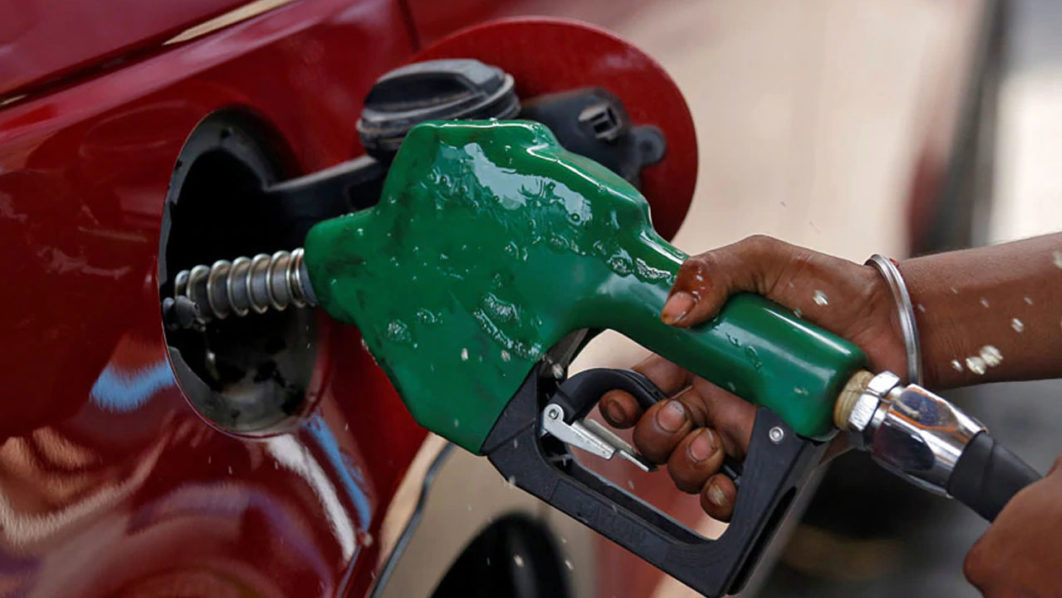
The state oil firm and private retailers in Abuja have raised petrol prices again, pushing the cost of a litre toward 1,500 Naira. This latest adjustment follows a year of relentless volatility that has left the capital city with empty roads and crowded bus stops. National oil company outlets now sell fuel at 1,364 Naira, while some independent stations charge as much as 1,444 Naira. The price stood at 900 Naira only three months ago. Residents now find that the cost of moving from one point to another consumes more than their daily bread.
Transportation costs have spiked in direct response to the new rates at the pump. Civil servants in the Federal Capital Territory report staying away from their offices because commuting costs exceed their take-home pay. Those who still own functional vehicles have largely converted them into illegal taxis to recoup fuel costs. The logic of the market is simple: as fuel becomes a luxury, mobility becomes a privilege. Many commercial drivers have simply parked their cars, citing a total lack of profit in a market where passengers cannot pay more.
The inflationary pressure has leaked into the food markets with predictable speed. Traders at Garki and Wuse markets complain that the cost of transporting vegetables and grains has wiped out their margins. A vegetable seller noted a 100,000 Naira increase in the cost of his latest supply, leading to rotting stock as customers walked away from high prices. In a country where logistics rely almost entirely on the road, every Kobo added to a litre of fuel is a tax on the dinner table. The burden rests heaviest on low-income households that have no further room to tighten their belts.
Critics of the current policy argue that the removal of the fuel subsidy lacked a credible safety net. The reliance on petrol exposes the entire economy to the whims of global crude prices and a sliding Naira. Business owners and logistics operators are now calling for a rapid shift toward alternative energy sources. They believe that only a mass transition to compressed natural gas or electric vehicles can break the cycle of financial shock. However, the cost of converting a petrol engine remains out of reach for the average citizen.
Some motorists who have switched to gas find themselves accused of profiteering. Commuters report that drivers of gas-powered cars still charge the same high fares as those using expensive petrol. This suggests that the problem is not just one of supply, but of a general collapse in price discipline across the economy. Authorities have done little to regulate these fares or verify that government-supported gas vehicles are passing savings to the public. Without oversight, the benefits of cheaper energy stay in the pockets of the operators.
The official explanation for the hike remains rooted in the principles of market deregulation. Representatives from the Independent Petroleum Marketers Association of Nigeria say prices must reflect the landing cost of crude and the current exchange rate. They argue that in a liberalised market, a fixed price regime is an impossible relic of the past. While this logic satisfies the economists, it offers no comfort to the widow or the retiree. For most Nigerians, the free market feels less like a reform and more like a sentence.