

Reps Probe $4.6bn Global Health Grants
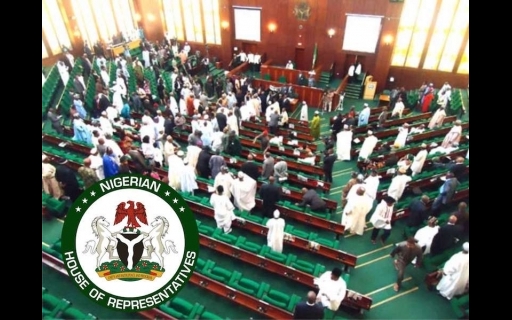
Nigerian lawmakers have launched a sweeping investigation into how donor agencies spent $4.6 billion meant to fight HIV, malaria, and tuberculosis. The House of Representatives Committee on Infectious Diseases claims it will no longer tolerate the opaque spending habits of international partners. These funds arrived from the Global Fund and USAID between 2021 and 2025. Nigeria carries the world’s second-largest HIV burden. Malaria remains the primary killer of children. This probe suggests the state is finally looking for value where it previously found only statistics.
Amobi Ogah, the committee chairman, delivered this warning during an oversight tour in Abuja on Sunday. He told recipients like the Institute of Human Virology Nigeria that the era of “business as usual” has ended. Implementing partners must now submit their entire programme plans to the National Assembly for prior approval. This is a bold grab for legislative control over foreign aid. Lawmakers also demand quarterly reports to track every cent in real time. Accountability in the health sector has long been a polite fiction.
The numbers involved are large enough to invite scrutiny. The Institute of Human Virology Nigeria alone managed $359.4 million over five years. It expects another $170.9 million shortly. Other players like Family Health International and Catholic Relief Services handled hundreds of millions more. While these groups claim they follow strict procurement rules, the committee wants independent proof. Lawmakers have ordered the immediate submission of bank statements and procurement logs. They want to see the trail behind the cheques.
The Global Fund often bypasses local systems to buy supplies through its own approved vendors. This practice aims to reduce the risk of local graft but creates a lack of domestic visibility. Nigerian officials now argue that this “off-budget” spending undermines national planning. They want to align donor activities with the country’s broader health goals. Synergy between lawmakers and partners is the new official mantra. Whether this leads to better care or just more paperwork remains to be seen.
Nigeria remains a massive laboratory for global health experiments. Billions of dollars flow in, yet the needles on infection rates move slowly. The committee believes tighter monitoring will solve the chronic gaps in service delivery. They are right to ask why such vast sums do not yield better outcomes. Transparency is a fine goal, but legislative interference carries its own risks. Aid groups may find their agility hampered by the slow gears of the parliament.
This move signals a more assertive stance from a government under fiscal strain. When the treasury is thin, the oversight of external grants becomes a political necessity. The public expects to see the impact of $4.6 billion on the wards of local hospitals. If the funds are being used well, the partners should have nothing to fear. If they are not, a simple audit will be the least of their worries. Nigeria is tired of being a graveyard for well-funded intentions.