


Sweden Detains Captain In Baltic Crackdown On Shadow Fleet
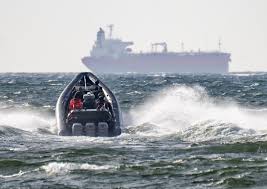
Swedish authorities have escalated enforcement against suspected sanctions-busting vessels, arresting the Chinese captain of the tanker Jin Hui after a coordinated boarding operation in the Baltic Sea.
The 182-metre vessel was intercepted on Sunday afternoon in Swedish territorial waters off Trelleborg, where it had been at anchor. Police and coast guard teams, supported by aviation units and the National Task Force, boarded the ship without resistance. Officials later confirmed that the vessel was suspected of operating under a false Syrian flag and is listed under sanctions by the European Union, the United Kingdom and Ukraine.
By Monday, prosecutors moved to detain the captain, citing suspected use of forged documents and breaches of Sweden’s maritime safety regulations, including concerns over seaworthiness. Prosecutor Adrien Combier-Hogg, leading the investigation, stated that “an interrogation of the detainee will be held during the day,” adding that authorities had initiated contact with international counterparts.
Prime Minister Ulf Kristersson publicly described the tanker as part of a “Russian shadow fleet” and raised concerns about inadequate insurance and safety compliance. The term refers to a loosely organised network of ageing oil tankers used to circumvent Western sanctions imposed following the Ukraine war.
Shipping records indicate that the Jin Hui, previously known as Yi Bao and Celsius Roskilde, changed ownership in December 2025, with links traced to a petrochemical trading entity reportedly connected to Iran and already under sanctions. The vessel’s opaque ownership structure reflects a wider pattern identified by European regulators tracking sanction evasion routes.
Sunday’s action marks Sweden’s fifth intervention against suspected shadow fleet vessels in 2026. Earlier operations targeted ships including the bulk carrier Caffa and tankers Sea Owl 1 and Flora 1, all detained under similar suspicions. Authorities had previously confiscated the Caffa over allegations that it transported grain from occupied Ukrainian territory via Crimea, an accusation tied to ongoing disputes over wartime trade routes.
European governments have intensified scrutiny of maritime traffic in the Baltic and surrounding waters, citing environmental and security risks linked to poorly maintained vessels operating outside standard regulatory oversight. The European Union and its allies have expanded sanctions enforcement mechanisms since 2022, aiming to limit Russia’s ability to sustain oil exports through indirect channels.
Russia has not issued a response to the latest Swedish action. However, it has previously criticised similar interceptions, describing them as hostile measures against its commercial interests.
The case is expected to test both Sweden’s legal framework for maritime enforcement and broader international cooperation in policing sanction compliance at sea, as authorities continue to confront increasingly complex evasion tactics.