
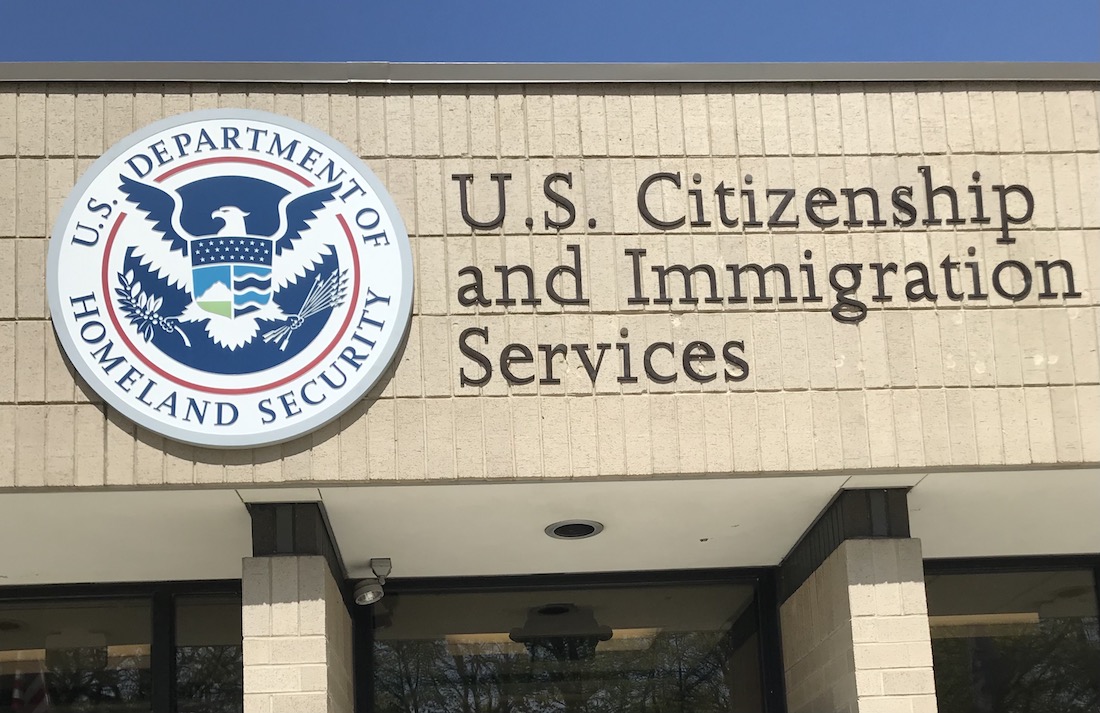
The United States has quietly junked a policy that froze visa processing for foreign-trained doctors, offering a reprieve to Nigerian physicians caught in a bureaucratic net. This reversal ends a January suspension that halted decisions on visa extensions, work permits, and green card applications for medics from 39 countries. The U.S. Citizenship and Immigration Services (USCIS) now explicitly exempts medical doctors from broader travel ban frameworks. Washington realised it cannot afford to keep its borders closed to the very people who keep its hospitals running. The move aims to plug a gaping hole in the American healthcare system.
The Department of Homeland Security confirmed that processing for physician-related applications has resumed with immediate effect. This policy shift follows an internal recognition of a looming medical catastrophe in the American heartland. Authorities estimate a current shortage of 65,000 doctors, a deficit that grows larger every year. Foreign-trained physicians are not a luxury in the United States; they are a necessity. They represent a quarter of the total medical workforce. Many of these doctors serve in rural towns where local talent is often nonexistent.
The initial suspension was a blunt instrument that caused sharp pain. It forced many Nigerian doctors onto unpaid administrative leave while they waited for paperwork that never came. Some faced the immediate threat of job loss and deportation despite years of service in American clinics. Hospital administrators complained that the freeze crippled their ability to staff essential wards. By lifting the restriction, the U.S. government is choosing pragmatic survival over rigid immigration posturing. This change allows the most qualified migrants to return to the exam room.
Nigerian doctors have long formed a significant pillar of the international medical graduate pool in the US. They often fill the most demanding roles in underserved communities. The January ban ignored this reality, treating essential surgeons and general practitioners as mere statistics in a travel ban. This reversal acknowledges that medical expertise should transcend political boundary disputes. It provides a measure of stability for thousands of Nigerian families living in professional limbo. The bureaucratic gears are turning again.
The broader healthcare crisis in the West continues to act as a powerful magnet for Nigerian talent. While the US faces a shortage of 65,000, Nigeria deals with its own “brain drain” as its best minds seek better pay and equipment. This policy update will likely accelerate that migration. It removes the largest hurdle currently facing Nigerian doctors who wish to practice abroad. Washington has essentially hung out a “help wanted” sign for the globe’s physicians. The competition for human capital is intensifying.
Rural American facilities will feel the relief most keenly. These clinics rely almost entirely on foreign doctors who accept placements in exchange for visa sponsorship. Without this constant stream of talent, many small-town hospitals would simply fold. The US government is now moving to ensure that the paperwork keeps pace with the clinical need. It is a win for Nigerian professionals, though a bittersweet one for the Nigerian health sector. America has decided that its health is worth the immigration compromise.