
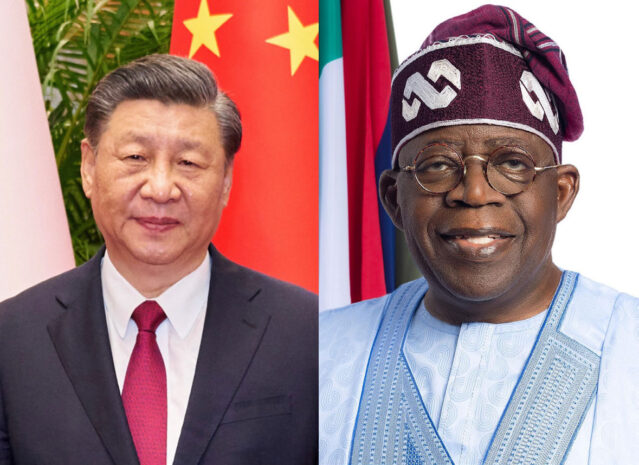
China and Nigeria have expanded their bilateral relations through a cultural exchange programme centred on traditional tea heritage. The initiative gathered diplomats, artists, and government officials at the China Cultural Centre in Abuja on Wednesday. Dubbed the 2026 Maritime Silk Road Impressions salon, the gathering used the ancient beverage to anchor talks on people-to-people diplomacy. Organisers showcased tea processing and brewing as tools to foster mutual understanding and economic links. Both nations aim to use this platform to unlock fresh investments in arts, tourism, and the broader creative economy.
The timing of this exhibition carries significant political weight for both capitals. The gathering marks fifty-five years of formal diplomatic relations between Beijing and Abuja. It also fits into the broader calendar of the China-Africa Year of People-to-People Exchanges. Chinese officials used the event to remind guests that UNESCO added their traditional tea processing to its heritage list in 2022. They frame the beverage as an ancient global connector that moved along old trade routes to link civilisations.
Soft diplomacy often serves as a precursor to harder economic arrangements. The Chinese embassy highlighted Beijing’s zero-tariff policy on goods from fifty-three African nations. They noted that Nigerian agricultural products like cocoa, sesame, and cassava could find eager buyers in the massive Chinese domestic market. By blending talk of trade routes with tea ceremonies, Chinese envoys are subtly pushing their modern Belt and Road infrastructure agenda. They argue that the same spirit of open trade that carried porcelain and tea centuries ago should guide modern commerce.
Nigerian cultural administrators see clear domestic advantages in embracing this soft-power approach. The Federal Ministry of Art, Culture, Tourism, and the Creative Economy believes the domestic tea market holds untapped potential. Officials hope to study the Chinese model to improve local agro-processing and build cultural festivals that attract international visitors. They view these joint exhibitions as a cheap but effective way to boost Nigeria’s international visibility. The state plans to back more cross-cultural hubs to pull young Nigerians into the creative value chain.
The Abuja salon went beyond mere speeches to offer participants a fully tactile experience of Asian history. Guests watched live demonstrations of Gongfu tea brewing alongside ancient incense rituals and classical string music performances. The event relied on historical references to Quanzhou, the ancient Chinese port town known to early traders as Zayton. By recreating these classical art forms in the heart of Nigeria’s capital, Beijing is trying to build a narrative of shared values and mutual respect. This cultural charm offensive helps cement a long-term partnership that remains vital to both economies.