

Nigeria and Türkiye Sign Bilateral Mining Pact
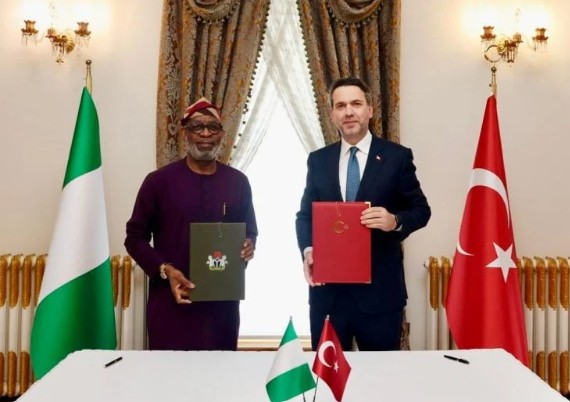
Nigeria and Türkiye have signed a memorandum of understanding to deepen bilateral cooperation in the solid minerals sector. Minister of Solid Minerals Development Dele Alake and Turkish Minister of Energy and Natural Resources Alparslan Bayraktar finalised the agreement in Istanbul. The pact updates an inactive framework first established between the two nations in 2021. Both governments expect the revised deal to drive immediate economic growth through joint investments. Abuja wants to shift its mineral sector away from simple extraction toward local value addition.
The strategic agreement creates a formal framework for resource exploration and technology transfer. Under the new terms, Turkish companies gain structured access to explore Nigeria’s vast, untapped solid mineral reserves. Nigeria intends to absorb advanced Turkish engineering and technical expertise to modernize its domestic mining operations. The partnership focuses heavily on mapping critical mineral reserves to attract institutional capital. It also includes provisions for developing joint commercial ventures.
Regulatory alignment and workplace safety form a core pillar of the newly signed document. Both nations pledged to cooperate on establishing strict protocols for safe mining practices. This focus addresses growing environmental concerns and high casualty rates in Nigerian artisanal mining sites. The framework also creates training initiatives to develop local human resources and engineering talent. Officials from both ministries will now form a joint working group to track implementation.
This pact follows a broader diplomatic push by Abuja to revive dormant international treaties. President Bola Tinubu previously set an ambitious target to expand bilateral trade with Ankara. The mining deal directly supports this agenda by opening fresh channels for foreign direct investment. Turkish investors view Nigeria as a strategic gateway into the West African extractive industry. For Nigeria, the deal reduces economic reliance on crude oil revenues.
Ankara’s focus on African natural resources aligns with its domestic industrial demands. Turkish manufacturing requires a steady supply of industrial minerals and base metals. The updated agreement moves the bilateral relationship to a more functional, results-oriented foundation. Immediate next steps involve official-level exchanges to match Turkish mining conglomerates with specific Nigerian assets. Success now depends entirely on how quickly the joint committee executes the agreed roadmap.