

NDC Holds Primary Elections, Waives Nomination Fees
The Nigeria Democratic Congress has commenced its nationwide primary elections today, with an unprecedented financial waiver that exempts unsuccessful contestants from paying nomination fees. Party leaders declared that only victorious aspirants will proceed to pay for formal nomination forms and complete secondary documentation at the national secretariat. The decision emerged from a high-level joint meeting of the party’s selection and screening committees in Abuja. This structural shift alters the traditional, often extortionate, internal electoral processes that define Nigerian party politics. By removing immediate financial barriers, the opposition platform intends to present a more accessible front ahead of the general elections.
Time constraints played a definitive role in forcing this abrupt administrative change. National leader Seriake Dickson admitted that tight statutory deadlines meant the party could not thoroughly vet and bill every contestant before voting commenced. Under the temporary protocol, individuals who bought the initial expression of interest forms received immediate clearance to stand in their respective constituencies. The party has deployed senior officials to all thirty-six states to oversee the voting exercises alongside local stakeholders. The operational teams carry explicit instructions to prioritize candidates with demonstrable grassroots appeal and clear capacity to win.
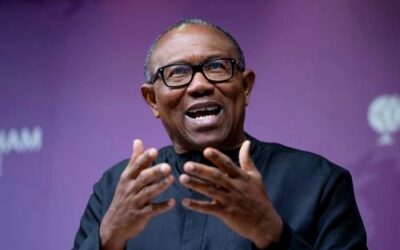
This financial model contrasts sharply with the practices of the dominant ruling and opposition parties. Typically, Nigerian political parties utilize non-refundable nomination fees as major revenue streams, charging millions of naira before a single ballot is cast. Critics frequently argue that these prohibitive costs exclude qualified women, youth, and low-income aspirants from the political process. The new party leadership, which includes prominent figures like presidential aspirant Peter Obi, seeks to leverage this policy to brand the group as equity-focused. However, skeptics suggest the strategy may simply mask deeper logistical deficiencies and a lack of institutional liquidity.
The ongoing two-day primaries cover presidential, gubernatorial, national, and state assembly tickets across the federation. Officials are scrambling to maintain order at regional secretariats as thousands of hopefuls invoke their new rights to contest without upfront billing. Internal friction remains a distinct possibility as screening teams must now conduct retrospective vetting on winning candidates. Should a victorious aspirant fail subsequent security or academic checks, the party faces the messy prospect of cancelling results and holding fresh polls. Electoral lawyers warn that this retroactive approach could trigger a wave of pre-election litigation from disgruntled runners-up.
Financially, the decision shifts the burden of funding the primary process directly onto the party’s central treasury. Without the usual influx of cash from hundreds of failed aspirants, the organization must rely on private donors and senior stakeholders to cover logistical costs. Independent national electoral commission officials are monitoring the exercises to ensure compliance with the electoral act. The commission requires timely submissions of valid candidate lists, leaving the party very little room for administrative errors. The success of this experiment will depend entirely on how swiftly the secretariat processes the winners over the weekend.
The coming days will test whether this unconventional pricing strategy builds a loyal coalition or fractures internal party discipline. If successful, the model could pressure larger political institutions to reconsider their aggressive monetization of internal democracy. For now, the leadership must focus on managing the volatile fallout that inevitably accompanies Nigerian primary elections. Securing the various state tickets without widespread violence remains the immediate operational priority for the deployment teams. The party’s political survival relies on converting these cost-conscious primaries into a cohesive electoral challenge.