
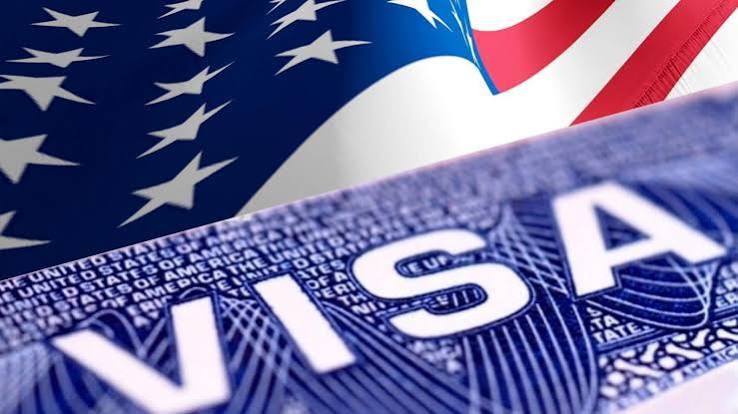
Foreign visitors hoping to time their departure from the United States by the expiry date printed on their visas have been told to look elsewhere, as American immigration authorities restate that the real deadline is set at the border, not on the visa.
In a public advisory, US authorities reminded travellers that the period they may remain in the country is fixed by a Customs and Border Protection (CBP) officer at the point of entry and captured on the electronic I-94 arrival and departure record, not on the visa itself. “The length of time an international visitor is allowed to stay… is determined by the Customs and Border Protection (CBP) officer upon your arrival, NOT your visa expiration date,” the notice stated.
Authorities explained that a visa only permits a person to travel to a US port of entry and request admission. The decision on whether to admit the traveller, and for how long, rests with the CBP officer. Visitors were urged to confirm the “admit until” date on their I-94 record after arrival, with a warning that anyone who remains beyond that date risks breaching immigration law and harming future travel to the country.
The reminder lands amid sweeping change in US immigration enforcement. On July 17, 2026, the Department of Homeland Security (DHS) published a final rule ending the decades old “duration of status” arrangement for foreign students, exchange visitors and journalists holding F, J and I visas. Effective September 15, 2026, those categories will be admitted for a fixed period with a definite end date on the I-94, replacing a framework that let them stay as long as they complied with their programme. Most academic students will be admitted for up to four years and must file formal extensions with US Citizenship and Immigration Services (USCIS) to remain longer, while the grace period after studies for students shrinks from 60 to 30 days.
DHS, which says the measure affects more than one million international students, framed it as a security and integrity step. “For nearly half a century, the outdated ‘duration of status’ system has compromised national security,” DHS Secretary Markwayne Mullin said in the announcement, adding that it left room for fraud.
For Nigerians, the tightening carries added weight. Since July 8, 2025, most nonimmigrant visas issued to Nigerian citizens have been limited to single entry with three months validity, a reciprocity measure that also touched Cameroon, Ethiopia and Ghana. Nigeria’s adjusted refusal rate for visitor visas stood at 57 percent in the 2025 fiscal year, among the highest globally, and its overstay record has repeatedly drawn Washington’s attention. DHS figures cited by the National Foundation for American Policy put the suspected in country overstay rate for Nigerian business and tourist travellers at 7.17 percent in 2020, rising to about 20.96 percent in 2022 before easing to 6.91 percent in 2023, though the foundation cautioned that such figures often fall by nearly half once departures and status changes are fully recorded.
Overstay data has real consequences. A 2019 presidential memorandum directed the State Department to engage countries whose combined business and tourist overstay rate topped 10 percent, a threshold Nigeria has crossed in several years. Layered onto expanded social media screening rolled out through 2025 and 2026, the message from US authorities is consistent: admission is discretionary, and the clock that matters starts at the port of entry.
Immigration authorities encouraged all visitors to review their I-94 records on arrival, understand their approved stay and avoid overstaying.