


Nigeria Rolls Out Ebola Screening for International Travellers
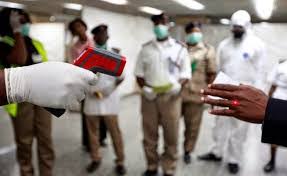
Nigeria has activated a sweeping wave of emergency surveillance protocols at its airports and other international entry points, deploying mandatory health screening for inbound passengers and returning Hajj pilgrims, as authorities scramble to shield the country from a fresh Ebola outbreak now spreading across Uganda and the Democratic Republic of the Congo.
The new measures, coordinated by the Nigeria Centre for Disease Control and Prevention alongside aviation regulators, include a dedicated Ebola screening portal for all Nigeria-bound travellers, intensified monitoring at major international airports, and strengthened cooperation between health and aviation agencies. The objective, according to officials, is straightforward: prevent another importation event of the kind that shook the country in 2014.
The intervention follows the World Health Organisation’s declaration on May 17, 2026, of the current Ebola outbreak as a Public Health Emergency of International Concern. The outbreak is driven by the Bundibugyo strain of the virus, which carries a case fatality rate of between 30 and 50 per cent, according to public health authorities.
The Director of Operations, Licensing and Training Standards at the Nigeria Civil Aviation Authority, Don Spiff, confirmed that every passenger flying into Nigeria must now complete an Ebola health questionnaire before boarding.
“All passengers flying to Nigeria will have to fill out the Ebola questionnaire before they board the flight,” Spiff stated.
The urgency is heightened by the imminent return of thousands of Nigerian pilgrims from Saudi Arabia beginning June 4, with arrivals expected through designated international airports in Lagos, Abuja, Port Harcourt, Enugu, and Kano. Spiff acknowledged that some pilgrims may struggle with the online form due to literacy constraints, but added that tour operators, NCDC officials, and medical personnel from the Federal Airports Authority of Nigeria would provide on-ground assistance.
Special arrangements have been instituted for Ugandan Airlines, which operates three weekly flights into Lagos. Its Sunday and Monday flights will now be processed through the Hajj terminal at the Murtala Muhammed International Airport for enhanced screening. The NCAA has further issued guidelines to other major international carriers including Ethiopian Airlines, and is reviewing staggered arrival schedules to ease pressure on screening infrastructure.
In an advisory dated May 30, 2026, the NCAA directed all international airlines flying into Nigeria to ensure passengers complete the NCDC Health Declaration Form through the designated portal before arrival.
“The Nigeria Civil Aviation Authority has intensified its surveillance and preparedness measures to prevent the potential importation and spread of the disease into Nigeria,” the advisory stated.
Passengers unable to complete the form online will be allowed to fill out paper versions on arrival.
Screening operations are already underway at Murtala Muhammed International Airport, where health officials are conducting temperature checks, verifying vaccination documents, and collecting passenger contact information for tracing purposes. Similar protocols have been introduced at other international airports across the country.
The Managing Director of the Federal Airports Authority of Nigeria, Olubunmi Kuku, confirmed the heightened alert. “At present, there has been no reported case linked to Ebola at Nigerian airports. However, surveillance and monitoring have been significantly intensified,” she said.
The NCDC has also activated nationwide preparedness measures, urging healthcare facilities to remain vigilant. The agency’s Director-General, Jide Idris, warned that Nigeria remained vulnerable because of international travel and the clinical overlap between Ebola symptoms and those of malaria and Lassa fever, both endemic to the country.
A public health physician and epidemiologist, Professor Tanimola Akande, has urged Nigerians to support prevention efforts. “Citizens can take preventive measures such as proper handling of animals during hunting and while displaying dead animals for sale. Nigerians need to be aware of Ebola and know the common symptoms so they can promptly identify suspected cases,” Akande said. He warned that the Bundibugyo strain “could remain undetected for weeks.”
The current threat revives painful memories of 2014, when Liberian-American diplomat Patrick Sawyer brought Ebola into Nigeria, triggering a national emergency that was eventually contained through swift coordinated action.
On the international front, the United States Department of State has committed over $112m in bilateral assistance to support Ebola containment in Uganda and the DRC, with funds earmarked for personal protective equipment, border screening, contact tracing, and diagnostics. Washington has also pledged an additional $13.5m to bolster Kenya’s preparedness and announced coordinated travel measures with Canada and Mexico ahead of the 2026 FIFA World Cup.