
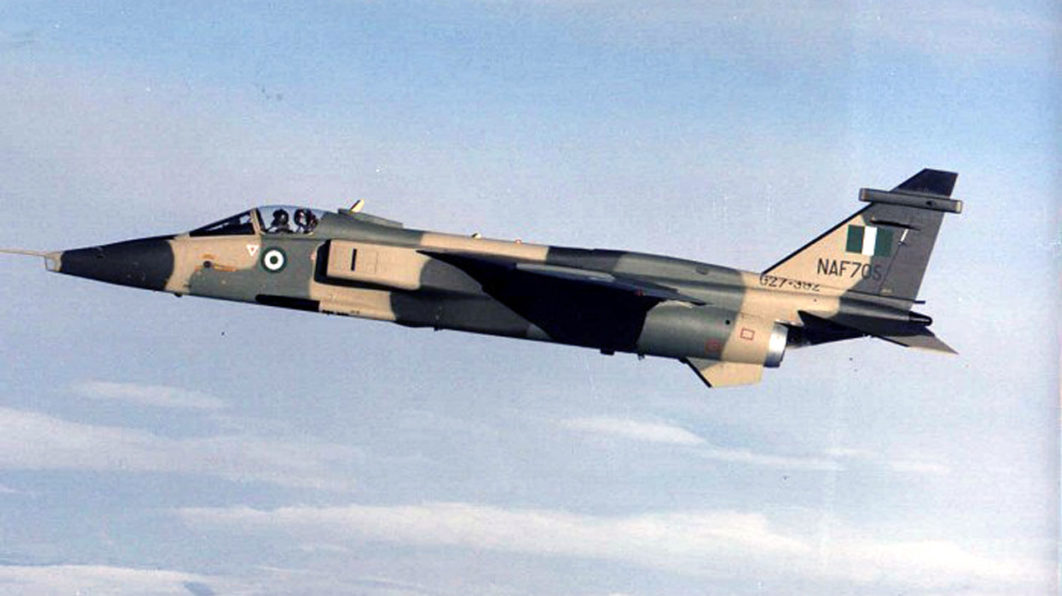
The Nigerian Air Force has deployed specialised aerial surveillance aircraft to track bandits who abducted dozens of school children and teachers in Oyo State. Armed criminal gangs seized 18 primary pupils, seven secondary students, and seven teachers during coordinated raids on communities in the Oriire Local Government Area. One teacher died during the initial assault on the local schools. Governor Seyi Makinde confirmed that the military flight operations began immediately after security agencies received alerts regarding the mass abduction. The state government has set up an emergency room at the police headquarters in Ibadan to process the incoming aerial data.
The ongoing military flights provide continuous, real-time photographic intelligence to armed rescue teams moving through the difficult local terrain. Air Force headquarters launched these operations specifically to cover the vast forested areas stretching across Yawota and Ahoro-Esinele. Ground troops rely on these overhead feeds to monitor the movement of suspected bandit groups without exposing forces to ambushes. Air Vice Marshal Abubakar Suleh affirmed that the military will maintain this high-altitude presence until security forces rescue all surviving victims. This federal aviation intervention fills a critical gap in local tracking capabilities.
The deployment reveals a structural vulnerability in the security infrastructure of Oyo State, which lacks immediate access to its own aviation assets. The state government recently bought two surveillance aircraft from Chinese manufacturers to monitor its expansive local borders. However, these new aircraft remain completely grounded in a military hangar in Lagos where engineers are still reassembling them. Governor Makinde admitted that the state relies entirely on federal military hardware while waiting for local technicians to finish configuring the state-owned planes. The domestic procurement programme aims to secure regional borders against infiltration from neighbouring states and Benin Republic.
This mass abduction has generated sharp condemnation from organized regional labour unions and national education advocacy groups. The National Union of Teachers expressed deep concern over the increasing frequency of armed raids targeting rural schools. Activists argue that the failure to protect learning environments threatens to disrupt basic education across vulnerable agrarian communities. Residents have expressed growing impatience as the captive children spend more time in forest hideouts. The state presidency has urged community leaders to remain calm while security agencies execute their tracking strategy.
The state administration has indicated a willingness to consider negotiations with the criminal network to ensure the safe release of the hostages. Security officials emphasize that the physical safety of the young pupils remains the primary operational objective. The fluid nature of the crisis means that ground commanders must exercise extreme caution during tactical movements. For now, the Air Force surveillance platform continues to circle the northern borders of Oyo State to prevent the captors from slipping into neighboring jurisdictions. The entire operation rests on turning aerial intelligence into a successful ground intervention.