

FG Launches Subscription-Free TV to Force Digital Switch
The Federal Government launched a national free-to-air digital television platform today to accelerate its long-delayed transition from analogue broadcasting. The project, dubbed FreeTV, promises households across the country access to over 100 channels without a monthly fee. This rollout represents a critical reset of Nigeria’s Digital Switch-Over programme. Previous attempts cost the state over N60 billion over nearly two decades but yielded minimal progress. By removing monthly charges, the state aims to drive mass adoption and meet its final analogue switch-off deadline of December 2028.
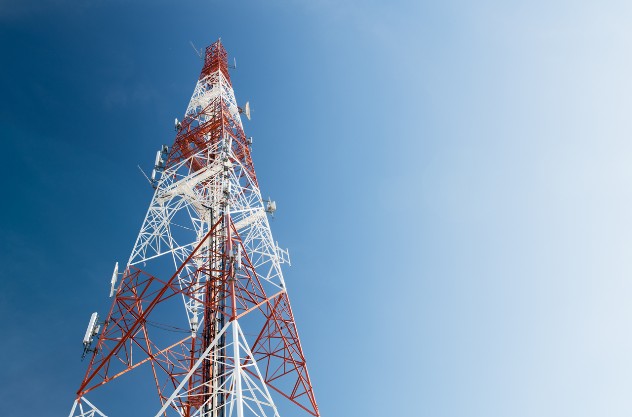
Unlike earlier pilot models that relied on encrypted, expensive set-top boxes, the new platform operates an unencrypted hybrid distribution network. The system delivers programming via terrestrial towers, internet mobile applications, and satellite capacity from the state-owned NigComSat-1R satellite. This multi-delivery network helps the state bypass previous coverage gaps in remote communities and major cities. Viewers do not need to buy new television sets to access the service. Standard televisions remain fully compatible through basic digital decoders, meaning households face minimal upfront setup costs.
The national platform introduces scientific, real-time audience measurement tools to help broadcasters capture reliable viewer data. The state expects this analytical tracking to revive advertiser confidence and stimulate the domestic media market. To convince private television networks to join the ecosystem, regulators are offering an initial 18-month free carriage window. Participating stations must ensure that at least 60 percent of their broadcast programming is produced locally. Officials believe this mandate will force a significant lift in the quality and volume of domestic media production.
To support this local content drive, the government is opening six regional production studios across major urban centres, including Lagos, Abuja, and Kano. These facilities aim to create jobs for local media technicians, camera operators, sound engineers, and creative talent. The state hopes that localized hubs will generate distinct content streams tailored for its dedicated Yoruba, Hausa, and Igbo channels. However, building the initial capacity to populate 100 separate stations with quality programming remains a steep operational challenge.
This state-sponsored platform directly threatens the dominance of entrenched private pay-television operators who currently control the domestic market. Foreign media conglomerates have long dominated the broadcast space by offering low-cost entry tiers to protect their market share. The state believes that introducing a permanently free option will inject heavy competition into the sector and end existing monopolies. Whether a government-run utility can out-compete seasoned private broadcasters in securing high-quality entertainment and sports rights remains to be seen.
State-managed enterprises in Nigeria historically suffer from poor long-term maintenance and shifting political priorities. Sustaining a massive national digital network requires continuous capital investment that often eludes public agencies. For now, the government is deploying certified technical personnel nationwide to assist citizens with decoder configuration and application installation. The commercial success of the project ultimately hinges on whether the state can maintain premium broadcast quality once the initial launch momentum fades.