


Tech Giants Raise Prices As Chip Costs Soar
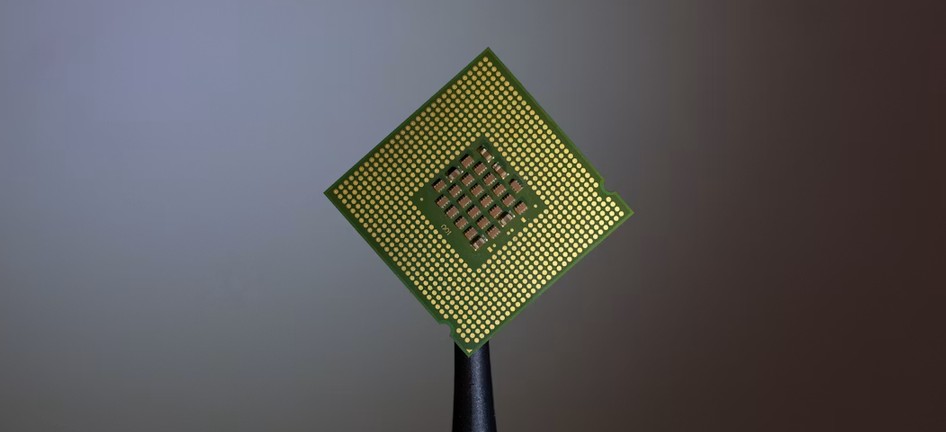
Apple and Microsoft have rolled out steep price increases for their primary hardware products, blaming a global surge in memory chip costs. The global tech giants announced the coordinated price adjustments on Thursday to offset the rising cost of semiconductor components. Apple immediately implemented price hikes of twenty per cent or more across its entire range of Mac computers and iPad tablets. Hours later, Microsoft confirmed it will raise the retail price of its Xbox gaming consoles by up to $150 starting August 1. The decision reveals how the global computing hardware industry is struggling to absorb intensifying manufacturing costs.
The rapid and expansive construction of artificial intelligence data centres primarily drives this severe components crisis. Tech infrastructure firms are buying up immense quantities of high-bandwidth memory chips to power AI training servers, leaving minimal supply for consumer devices. Silicon manufacturers are actively prioritising lucrative orders from AI chipmakers like Nvidia over traditional consumer electronics brands. Consequently, global market prices for basic DRAM and NAND flash storage chips have more than doubled since last year. Tech executives state they can no longer shield retail buyers from these skyrocketing industrial input costs.
Apple’s new pricing structure adds hundreds of dollars to its most popular consumer and professional hardware models. The base model MacBook Air now retails in the United States for $1,299, marking a clean $200 increase from its previous price point. The entry-level MacBook Pro jumped from $1,699 to $1,999, while the budget-friendly MacBook Neo rose to $699. Professional users face the heaviest burden, with the high-end Mac Studio desktop computer spiking by $1,300 to retail at $5,299. These aggressive adjustments triggered a swift six per cent drop in Apple’s stock price during Friday trading.
Microsoft faces a remarkably similar financial bottleneck within its interactive entertainment division. The upcoming August price adjustments will push the base Xbox Series S console to $500, while the premium Series X model will rise to $800. The Redmond-based software giant also announced the complete discontinuation of its expensive 2-terabyte console model to streamline manufacturing. Microsoft warned investors that console memory and storage prices could easily double again by the autumn of 2027. This latest intervention represents the third distinct price increase for the Xbox ecosystem since early 2025.
Independent market analysts expect these sharp price increases to severely depress global hardware sales volumes over the coming year. International Data Corporation projects that the global personal computer market could contract by over eleven per cent in 2026 as consumer wallets shrink. Smartphone and gaming console markets face similar double-digit declines as component pressures force manufacturers to pass costs downward. Industry experts are now closely watching the upcoming autumn smartphone release cycle to gauge potential pricing changes. A significant price rise for flagship mobile devices could permanently alter consumer upgrade habits.
The current semiconductor crisis highlights a profound structural vulnerability within the global technology supply chain. For decades, consumer electronics brands relied on a predictable, long-term downward trend in memory production costs to sustain corporate profit margins. The sudden, insatiable appetite of the artificial intelligence boom has completely broken that traditional economic model. Competitors like Sony, Nintendo, and Valve are also raising device prices or re-evaluating product launch timelines to survive the crunch. Global hardware manufacturers must navigate this expensive component landscape until silicon production capacity expands significantly.