
FG Bans Commercial Motorcycles, Tricycles On Coastal Highway
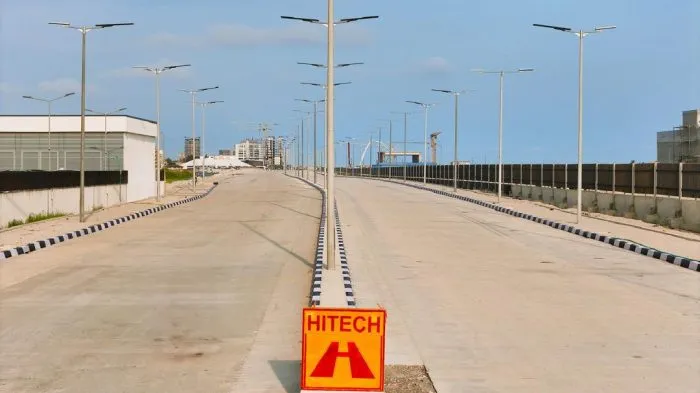
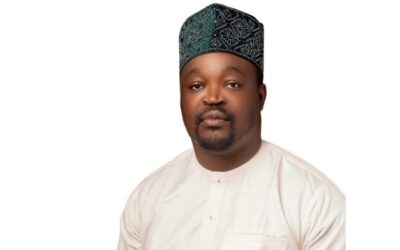
The Federal Ministry of Works has announced a ban on commercial motorcycles, commonly known as okada, and tricycles, popularly called keke marwa, on the Lagos-Calabar Coastal Highway. The restriction, which takes effect this week, was announced in a statement on Sunday by the Federal Controller of Works in Lagos State, Mr Olufemi Dare.
Mr Dare said the decision was introduced to protect the newly constructed superhighway from misuse and deterioration. He explained that the measures were necessary to preserve the road and ensure its long-term sustainability. The Federal Controller also warned that indiscriminate parking of trucks and articulated vehicles would no longer be allowed. According to him, the restriction applies to the coastal highway and all bridges across Lagos State. The ministry further prohibits the indiscriminate disposal of refuse along highway corridors, describing the practice as unacceptable.
Mr Dare warned that offenders would face strict enforcement measures as authorities move to maintain order. He disclosed that signages indicating the restrictions had already been installed along the highway. He added that task force officials would be deployed to strategic locations to ensure compliance. He described the Lagos-Calabar Coastal Highway as a “world-class infrastructure” requiring proper maintenance and protection. The official urged all road users to comply with the directives in the interest of public safety.
The Lagos-Calabar Coastal Highway is one of the flagship infrastructure projects of the present administration. The idea for a major coastal federal road in Nigeria was first conceptualised in 1955 by the then Federal Commissioner of Finance, the late Chief Festus Okotie-Eboh. Minister of Works, Senator David Umahi, has also noted that the idea for the coastal highway project originated with President Bola Tinubu during his tenure as Governor of Lagos State, nearly twenty-five years ago.
Section One of the highway, a 47.474km stretch from Ahmadu Bello Junction to Eleko Village Junction, was awarded to Hitech Construction Limited at a total cost of N1,067,887,381,148.61. The total cost of the entire project is estimated at around N15 trillion. The full length of the highway is projected at 750km, traversing nine states along Nigeria’s coastal shoreline from Lagos to Cross River State. In December 2025, the presidency announced that Nigeria had secured approximately $1.2 billion in financing from the United Arab Emirates to support the construction of a key 56-kilometre section.
The restriction on okada and tricycles on federal highways is not without precedent. In 2012, the Lagos State Government introduced the Lagos State Road Traffic Law, which prohibits okadas and tricycles on certain routes and restricts motorcycles with engine capacities below 200cc from major expressways. Effective from June 1, 2022, the state government enforced a total ban on commercial motorcycles in six local government areas. Similar restrictions have been implemented in other states; Kogi State, for instance, banned tricycles and motorcycles from operating on highways in any part of the state.
The Federal Road Safety Corps (FRSC) reported that between 2016 and 2019, Lagos recorded over 10,000 accidents involving okadas and tricycles, resulting in more than 600 deaths. Nationwide, in 2024, a total of 9,570 road traffic crashes were recorded, with 5,421 people killed. This followed 10,617 crashes in 2023, which resulted in 5,081 fatalities.
The Lagos-Calabar Coastal Highway will be tolled as soon as it is completed and inaugurated. Minister Umahi, during an inspection tour of the project in January 2026, stated that the contractor would be required to build tolling infrastructure before the end of April 2026. He emphasised that tolling would commence immediately after commissioning. The minister also noted that there would be no room to increase the project budget further, with a total of N170 billion in increments already incurred as a result of realignment, shore protection, and evacuation of refuse dumps. Umahi has assured lawmakers that delivery would be phased, with some sections scheduled for commissioning by May 29, 2026.